A high-efficiency filter can capture tiny airborne particles, but its performance depends on more than the filter material alone. If air escapes through gaps around the filter instead of passing through it, some dust, pollen, and other particles may continue circulating indoors. This makes the design surrounding the filter an important part of effective air purification.
A well-designed HEPA home air purifier combines suitable filtration media with a housing that helps direct air through the intended filtration path. Understanding how seals, airflow, installation, and maintenance work together helps homeowners evaluate purifier performance and make informed decisions about managing indoor particles.
Understanding Sealed HEPA Filter Design
HEPA filtration uses specialized media designed to capture airborne particles as air passes through the filter. However, even an efficient filter cannot treat air that bypasses the media. A sealed design helps minimize gaps between the filter and its housing, encouraging more of the incoming air to follow the intended route through the filtration material.
The sealing arrangement may include fitted frames, gaskets, and secure mounting points that hold the filter in position. These components help reduce bypass leakage when correctly designed and installed. The effectiveness of the complete purifier still depends on its construction, airflow, filter quality, and overall performance rather than the filter label alone.
Why Filter Seals Matter for Indoor Air Quality
Air naturally follows available pathways, including gaps that offer less resistance than the filter itself. If a purifier has poorly fitted components, some air may travel around the filter rather than through it. This can reduce the effectiveness of the overall system, even when the filter media has strong particle-capture capabilities.
A suitable seal helps control this bypass and supports more predictable filtration. This is particularly relevant in rooms where dust, pollen, and other airborne particles enter through windows, clothing, or everyday household activities. However, sealing alone does not remove pollutants; the filter must also be appropriate for the particles being targeted.
Key Components That Support Sealed Filtration
Several design elements work together to maintain the intended airflow path. Filter material captures particles, while the surrounding housing and mounting components help ensure air passes through that material. Examining these elements provides a clearer understanding of what contributes to effective purifier operation.
1. Filter Gaskets
Gaskets create a close-fitting interface between the filter and its housing. When properly sized and positioned, they help close small gaps that could allow untreated air to bypass the filter. Damaged, compressed, or incorrectly installed gaskets may compromise this fit and require attention.
2. Secure Filter Frames
A rigid frame supports the filter media and helps maintain its shape during operation. Secure mounting prevents the filter from shifting when air moves through the purifier. A stable frame also makes correct installation easier, provided replacement filters match the equipment’s specifications.
3. Housing Construction
The purifier housing directs incoming air toward the filter and guides filtered air toward the outlet. Well-fitted panels and joints help limit unintended leakage around the filtration assembly. The housing design should also allow access for routine maintenance without making proper reassembly difficult.
4. Airflow Management
The fan and internal air pathways determine how air moves through the purifier. Suitable airflow helps the unit process room air while maintaining the conditions needed for filtration. Excessive resistance, blocked inlets, or poorly designed pathways can affect circulation and overall performance.
5. Correct Filter Installation
Even a well-designed sealing system depends on proper installation. Filters must face the correct direction where specified and sit evenly within their frames. Following the manufacturer’s instructions helps prevent gaps, protects components, and supports consistent operation after filter replacement.
Practical Benefits of a Well-Sealed Purifier
A properly fitted filter assembly helps reduce the amount of air that escapes treatment, supporting the performance of the filtration media. This can be valuable in homes where airborne particles come from outdoor pollen, household dust, textiles, and other everyday sources. Actual results depend on the purifier’s specifications and operating conditions.
When comparing home air cleaners, homeowners should look beyond advertised filter efficiency and consider the complete airflow design. A suitable unit should have clear information about room coverage, filtration performance, filter installation, and replacement requirements. These details provide a more useful basis for comparison than a single technical feature.
Several practical checks can help homeowners assess sealed filter design before choosing or maintaining a purifier:
- Look for a filter assembly designed to fit securely inside its housing.
- Check whether the manufacturer explains the sealing arrangement.
- Confirm that replacement filters match the specified model.
- Examine filter frames and gaskets for visible damage during maintenance.
- Keep air inlets and outlets clear of furniture and other obstructions.
- Follow the recommended filter installation and replacement instructions.
These checks help maintain the intended airflow path and reduce avoidable installation problems. They do not independently verify a purifier’s particle-removal performance, so documented product testing and manufacturer specifications should also inform purchasing decisions.
Maintenance Practices That Preserve Filter Seals
Routine maintenance helps keep the filter and its surrounding components in suitable condition. Dust accumulation, incorrect installation, and worn sealing materials may affect airflow or allow air to bypass the filter. Following the manufacturer’s instructions helps ensure that cleaning and replacement procedures do not damage the filtration assembly.
Filter replacement should follow the recommended schedule and account for operating conditions. When changing a filter, check that the frame sits evenly, the gasket remains correctly positioned, and the housing closes securely. Avoid forcing components into place, as this may damage seals or distort the frame. If a fit problem persists, consult the manufacturer or a qualified service professional.
Conclusion
Sealed HEPA filter design supports effective air purification by helping prevent untreated air from bypassing the filtration media. Gaskets, secure frames, well-fitted housings, and correct installation all contribute to the intended airflow path. Combined with suitable filtration and regular maintenance, these features help a purifier manage airborne particles in residential spaces.
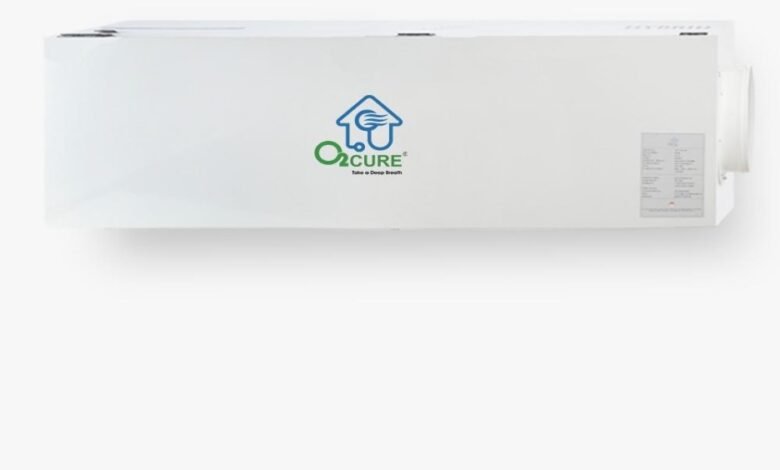
For customers seeking tailored indoor air solutions, O2Cure offers residential and commercial purification technologies designed for different environments and air quality requirements. Its range includes air purifiers, filtration products, and advanced purification systems that can be matched to specific needs. Businesses exploring an air purifier for office use can also evaluate solutions according to their workspace, ventilation arrangements, and purification objectives.