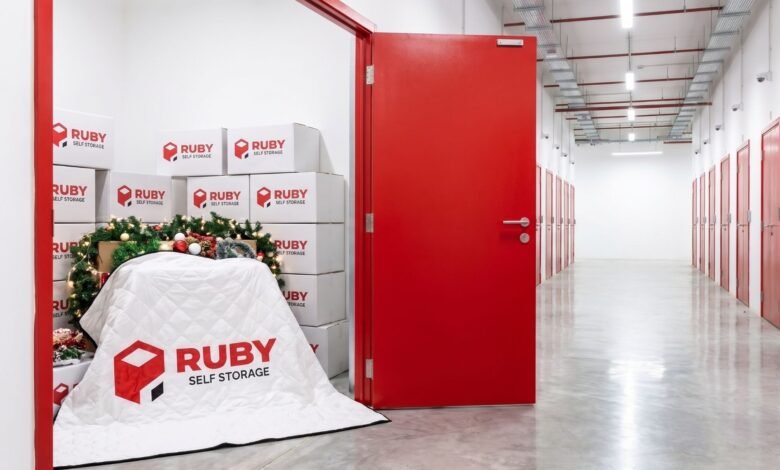
Finding storage space in umm al quwain used to mean a long drive to a neighbouring emirate, or making do with whatever room was available at home. That is changing. As the emirate’s residential areas grow and more businesses set up in its industrial and trading zones, the need for secure, well-managed space has grown with them. Families who have outgrown their homes, residents between rentals, and small companies that need somewhere to keep stock all have the same question: how do you choose a space that actually fits?
The answer starts with your own situation rather than with a price list. The need for storage space in umm al quwain looks different for a household clearing a spare room than for a trader holding stock between shipments or an expatriate leaving for several months. Size, climate protection, access hours, and contract flexibility all matter, but their importance changes depending on what you store and how long you plan to keep it there. Understanding that before you compare options saves both money and frustration.
This guide walks you through the process of choosing storage space in umm al quwain step by step. It explains how to decide what you really need, how to measure space accurately, what to check about security and climate, how to read pricing and contracts, and how to prepare your belongings. Whether you need a small unit for a few boxes or a larger space for furniture or inventory, the steps are the same, and following them will help you pick a space that suits your needs now and gives you room to adjust later.
Start With What You Are Storing and Why
The right storage space begins with a clear picture of what is going into it. Write down the main categories: furniture, boxes, appliances, documents, equipment, stock, or a mix. Note anything fragile, valuable, or sensitive to heat and humidity, because those items set the standard for the whole arrangement.
Then think about the purpose. Is the space temporary, such as a gap between homes, a renovation, or a trip abroad? Is it a longer-term extension of your home, holding seasonal items and keepsakes? Or is it a working space for a business that needs regular access? Each purpose points towards different priorities, from flexible terms to round the clock access to a low long-term rate.
Personal Storage Needs
Furniture, boxes, seasonal items, appliances, sports equipment, and keepsakes. Priorities are climate protection, security, and a size that matches your inventory.
Business Storage Needs
Stock, samples, documents, tools, and equipment. Priorities are access hours, loading convenience, scalable space, and clear commercial terms.
Measure the Space You Actually Need
Size is the biggest driver of cost, and getting it right is the easiest way to avoid overpaying. Make a written inventory of everything you plan to store, with approximate dimensions for larger items and a count of boxes by size. This is far more reliable than estimating the number of rooms in your home.
A Rough Size Guide
- Small spaces suit boxes, seasonal items, documents, and a few pieces of equipment
- Medium spaces suit the contents of a studio or one-bedroom home
- Larger spaces suit two or three bedroom homes, or a moderate volume of business stock
- Extra large spaces suit full family homes or larger commercial inventory
Ways to Use Space Efficiently
- Disassemble beds, tables, and wardrobes where possible
- Use boxes of consistent size so they stack neatly
- Make use of height, stacking safely with heavy items at the bottom
- Leave a narrow aisle only if you expect to retrieve items regularly
- Ask whether you can move to a larger or smaller space if your needs change
Protect Your Belongings From Heat and Humidity
Umm Al Quwain’s climate is hot for much of the year, and its coastal position brings humidity. These conditions are hard on stored belongings. Wooden furniture can warp, leather can crack, electronics can degrade, and fabrics and paper can develop mildew. The damage is slow and silent, so you often only discover it when you retrieve your items.
For anything sensitive or valuable, choose a space with active temperature and humidity control. Ask what ranges are maintained, whether the system runs continuously, and how conditions are monitored. For sturdy items stored briefly, a standard space may be acceptable, but be honest about what you are storing and for how long.
Check Security and Access
Because you will not be present to watch your belongings, security is part of what you are paying for. Look for continuous CCTV coverage, individual access control, and clear procedures for incidents. A facility that is monitored throughout operating hours adds extra reassurance.
Access That Fits Your Routine
Access hours deserve as much attention as price. If you work long hours or irregular shifts, round the clock access makes the space far more usable. If you rarely visit, limited hours may be fine. Also check practical details such as trolleys, loading areas, and vehicle access, especially if you will be moving heavy furniture or bulky stock.
Understand Pricing and What It Includes
The advertised monthly rate is only part of the picture. Ask for a full written breakdown so you can compare options accurately.
- Whether VAT is included or added to the quoted price
- Any setup, administration, or registration fees
- The deposit amount and the conditions for its return
- Insurance, whether optional or required
- Charges for access outside standard hours
- Fees for changing space or extending the rental
- Penalties for ending the contract early
Two options with the same monthly rate can differ noticeably once these items are added, so always compare the total cost for your expected period.
Choose Contract Terms That Match Your Timeline
Your timeline should shape your contract. If your plans are uncertain, flexible monthly terms are worth a slightly higher rate. If you know you will store for six months or a year, a longer commitment can reduce the monthly cost. In either case, check the minimum rental period, the notice required to leave, and whether you can change space if your needs change.
Clear, simple terms are a sign of a provider that values transparency. Be cautious of contracts that look flexible but carry heavy penalties for leaving early.
Prepare Your Belongings Before They Go In
A little preparation protects your items and makes retrieval easier. Clean and dry everything before packing, since moisture causes problems in closed spaces. Wrap furniture in blankets or breathable covers rather than sealing it tightly in plastic. Keep screws and fittings in labelled bags attached to the relevant piece. Label boxes with their contents and keep a simple inventory list on your phone.
- Place heavy items at the bottom and lighter items on top
- Keep items off the floor using pallets or shelves where possible
- Place things you may need first near the front
- Keep valuables, documents, and essentials with you rather than in storage
What You Cannot Store
Every facility has restrictions, and it is best to know them before you pack. Typical prohibited items include flammable or hazardous materials such as fuel, gas cylinders, paint, and solvents, illegal goods, perishable food, living things, and high-value items such as cash and jewellery that are better kept with you. Vehicles and machinery may be allowed only with fuel fully drained. If you are unsure about an item, ask before moving day.
Common Mistakes to Avoid
- Choosing a size by guesswork instead of a written inventory
- Skipping climate protection for sensitive items to save a small amount
- Ignoring access hours that do not match your schedule
- Overlooking extra charges beyond the monthly rate
- Signing a long contract without checking exit terms
- Packing items damp, dirty, or without labels
Conclusion
Choosing the right space comes down to a clear sequence: know what you are storing and why, measure the space you need, protect your belongings from heat and humidity, confirm security and access, understand the full cost, and match the contract to your timeline. Follow those steps and the space you choose will protect your belongings, respect your budget, and give you the flexibility to adapt when plans change, whether you are a household clearing room at home or a business keeping stock close at hand.