A dependable roof is essential for protecting a home from rain, wind, sunlight, temperature fluctuations, and other environmental conditions that can gradually affect a building’s structure. Beyond providing shelter, a properly maintained roof helps preserve indoor comfort, protect insulation, and maintain the property’s overall appearance and value. However, even durable materials can deteriorate prematurely when installation is inadequate, drainage problems remain unresolved, or minor defects are ignored for too long. Quality roofing involves more than installing shingles or covering the upper portion of a building; it requires careful planning, appropriate material selection, skilled workmanship, and regular maintenance. Homeowners who understand these requirements can recognize potential problems early and make informed decisions about inspections, repairs, and replacement. A complete roofing system includes several interconnected components, such as the exterior covering, underlayment, flashing, roof decking, ventilation, and drainage features, all of which contribute to reliable performance. When these components work together correctly, they help prevent moisture intrusion and reduce the risk of avoidable damage. Investing in professional services and maintaining a consistent care routine can help homeowners extend the useful life of their roofs, manage repair expenses, and protect their properties against changing weather conditions.
Understanding the Components of a Reliable Roof
A residential roof consists of several layers and supporting components that must work together to protect the building effectively. The outer covering, which may include asphalt shingles, metal panels, or other suitable materials, provides the first barrier against rain and environmental exposure. Beneath this surface, underlayment offers additional protection, while the roof deck supports the installed materials and transfers loads to the underlying structure. Flashing protects vulnerable joints around chimneys, skylights, vents, and roof intersections, where water could otherwise enter the building. Ventilation helps manage heat and moisture within appropriate roof and attic spaces, while gutters and downspouts direct rainwater away from the exterior walls and foundation. Each component contributes to the overall performance of the system, which means a defect in one area can affect the effectiveness of the others. Professional roofing inspections consider these connected elements rather than evaluating only the visible surface. For example, replacing damaged shingles may not resolve a recurring leak if the underlying problem involves deteriorated flashing or compromised decking. Understanding how the entire system functions helps homeowners appreciate the importance of comprehensive assessments and appropriate repairs. When roofing components are selected, installed, and maintained correctly, they provide more dependable protection and reduce the likelihood of recurring moisture-related problems.
Identifying Early Signs of Roof Deterioration
Roofing damage often develops gradually, allowing small defects to remain unnoticed until they begin affecting other parts of the property. Missing, cracked, curling, or loose shingles may indicate material deterioration, wind damage, or installation problems that require attention. Other warning signs include granules collecting in gutters, damaged flashing, loose roof edges, and visible sagging in areas that should remain structurally sound. Inside the home, water stains on ceilings, peeling paint, damp insulation, and musty odors may suggest that moisture is entering through the roof or another part of the building envelope. These symptoms deserve attention because water can travel along framing and other structural surfaces before appearing inside the property. A visible stain may therefore be located some distance from the actual point of entry. Professional assessments can help homeowners determine the source of the problem and distinguish between a localized defect and more extensive deterioration. Effective roofing maintenance begins with recognizing these warning signs and arranging an inspection before damage spreads. Homeowners should avoid covering stains or applying temporary sealants without understanding the underlying cause, since water intrusion may continue behind the affected surface. Timely repairs can help protect insulation, wooden decking, ceilings, and interior finishes while reducing the possibility of larger restoration expenses.
Choosing Suitable Materials for Long-Term Performance
Selecting roofing materials requires careful consideration of durability, appearance, maintenance requirements, structural capacity, and overall cost. Asphalt shingles remain a popular choice because they are available in many colors and styles and can provide dependable protection when installed correctly. Metal roofing may offer a long service life and relatively low maintenance requirements, while other materials may suit particular architectural designs or structural needs. The best option depends on the building’s roof slope, exposure to severe weather, ventilation, expected maintenance, and the homeowner’s long-term plans. It is also important to consider the compatibility of underlayment, flashing, fasteners, and other components with the selected roofing product. A suitable exterior material cannot perform as intended if the supporting components are poorly chosen or installed incorrectly. Experienced professionals can explain the advantages and limitations of available products and help homeowners compare their expected service life, warranty conditions, and maintenance expenses. Good roofing decisions should account for long-term ownership costs rather than focusing exclusively on the initial purchase price. A lower-cost option may require more frequent repairs, while a more durable material may provide better value over time. Comparing these factors carefully helps property owners select a system that meets their budget, complements their home, and provides reliable protection against environmental exposure.
The Importance of Skilled Installation
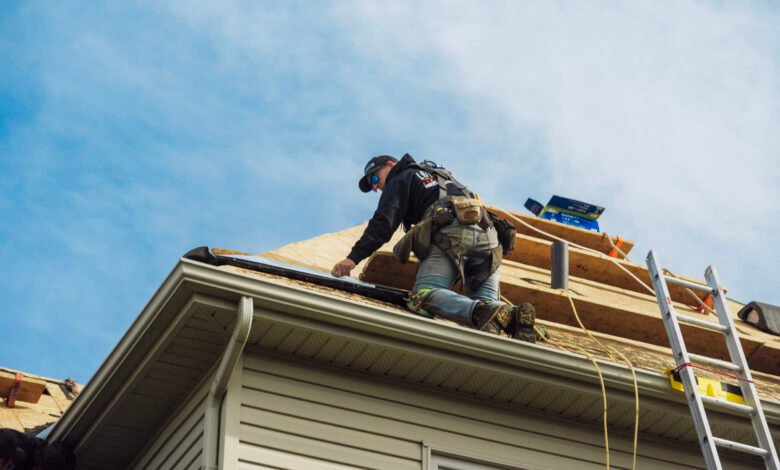
Proper installation plays a major role in determining how effectively a roof protects the building throughout its service life. Even premium materials may fail prematurely if they are installed over damaged decking, fastened incorrectly, or fitted without proper attention to flashing and drainage. Before new materials are applied, the underlying surface should be examined for deterioration, moisture damage, and weakened sections that may need repair. Underlayment must be positioned correctly, roof edges should be completed carefully, and flashing must protect joints around chimneys, skylights, vents, and other penetrations. Ventilation should also be evaluated because trapped heat and moisture can affect the condition of roofing materials and the performance of the attic space. Professional roofing installation requires attention to manufacturer instructions, applicable building requirements, safe working practices, and the specific characteristics of the property. Rushing through preparation or overlooking small details can create weaknesses that remain hidden until heavy rainfall or strong winds expose them. Homeowners should ask service providers about their installation procedures, material specifications, and methods for protecting the property during the project. Careful workmanship creates a more dependable roofing system, reduces the likelihood of preventable leaks, and helps homeowners receive the expected performance from their chosen materials.
Determining When Roof Repairs Are Necessary
Roof repairs can often resolve localized damage and prevent it from spreading into surrounding materials. Common repair needs include replacing missing shingles, securing loose components, repairing flashing, sealing suitable joints, and addressing minor defects that allow water to enter the building. However, a successful repair requires identifying the actual source of the problem rather than treating only the most visible symptom. A leak around a ceiling fixture, for example, may originate from damaged flashing or a roof penetration rather than from the roofing surface directly above the interior stain. Professional inspections help establish the likely cause and determine which repairs are appropriate. The age of the roof, the condition of nearby materials, and the history of previous maintenance should also influence the recommended approach. Quality roofing repairs should restore the affected area’s protective function while considering whether other components are approaching the end of their useful life. Repeatedly patching the same area without correcting the underlying defect may lead to continued leaks and unnecessary expenses. Homeowners should request a clear explanation of the recommended work and understand which problems require immediate attention. Addressing defects promptly helps protect the building’s structure, preserve interior materials, and maintain the performance of the existing roof for as long as practical.
Understanding When Roof Replacement Offers Better Value
Although repairs can extend the life of a roof, there comes a point when replacement may offer a more practical long-term solution. Widespread shingle deterioration, recurring leaks, extensive storm damage, and multiple failing sections can indicate that the existing system is no longer providing reliable protection. The condition of the underlying decking is also important because weakened or moisture-damaged materials may compromise the performance of new roofing products if they are not addressed. Homeowners should consider the frequency of previous repairs, the roof’s remaining expected service life, and the likely cost of maintaining the current system. A replacement project may also provide an opportunity to improve ventilation, update flashing, and correct drainage problems that contributed to earlier deterioration. Professional roofing assessments can help compare the expected cost of continued repairs with the benefits of installing a new system. Replacing a roof too early may create unnecessary expense, while delaying replacement when the system has widespread failures can increase the risk of interior damage. A careful evaluation should explain the current condition, identify immediate concerns, and outline realistic options. Making a decision based on the complete condition of the roof helps homeowners balance financial considerations with dependable protection and long-term property maintenance.
Protecting Roofing Materials From Severe Weather
Severe weather can place significant pressure on roofing materials through strong winds, heavy rain, hail, falling branches, and rapid temperature changes. Although no roofing system can eliminate every weather-related risk, appropriate material selection, correct installation, and regular maintenance can reduce certain vulnerabilities. Loose shingles, deteriorated flashing, damaged roof edges, and blocked gutters should be addressed because these defects can allow water to enter the building or increase the risk of additional damage during storms. Trees surrounding the property also require attention because overhanging branches may scrape roofing materials or fall during severe weather. Before storm seasons, homeowners can arrange an inspection to identify visible weaknesses and correct minor defects. After a storm, the roof should be assessed from a safe location, and professional assistance should be arranged when damage is suspected. Climbing onto a wet or unstable roof can be dangerous and should be avoided. Professional roofing services can help identify affected areas, document visible damage, and recommend repairs based on the system’s condition. Prompt action is particularly important when water enters the attic or living spaces because continued moisture exposure may damage insulation, ceilings, walls, and wooden framing. Maintaining inspection records and photographs can also help homeowners track the condition of their roofs and organize information about previous repairs.
Improving Indoor Comfort Through Roof Ventilation
Ventilation is an important consideration because heat and moisture can accumulate within attic spaces when airflow is inadequate or incorrectly designed. During warmer periods, excessive attic heat may increase the demand placed on cooling equipment, while moisture accumulation can contribute to condensation and deterioration of building materials. A properly designed ventilation arrangement allows air to move through designated areas while working with insulation and air sealing to support the building’s overall performance. However, simply adding vents does not guarantee better results because the system must be suitable for the roof’s design and existing construction. Homeowners should also understand that ventilation cannot compensate for every insulation problem or uncontrolled air leak. A comprehensive inspection may be necessary to determine which improvements are appropriate. Professional roofing services can identify visible ventilation concerns, inspect accessible components, and explain whether changes should be considered during a repair or replacement project. When ventilation, insulation, and air sealing work together effectively, they can help maintain more consistent indoor conditions and reduce moisture-related concerns. These improvements should be based on the building’s actual requirements rather than generic recommendations. Careful planning ensures that upgrades support the performance of the entire roofing assembly and provide practical benefits over the long term.
Maintaining Gutters and Effective Water Drainage
Gutters and downspouts help protect the roof and exterior of a home by collecting rainwater and directing it away from vulnerable areas. When gutters become clogged with leaves, dirt, or roofing granules, water may overflow and repeatedly expose fascia boards, siding, and nearby soil to excessive moisture. Improperly positioned downspouts can also cause water to collect around the foundation, potentially increasing the risk of erosion and dampness. Roof valleys and flashing must remain in good condition so that water can move toward the intended drainage points without entering vulnerable joints. Regular cleaning and inspections help maintain proper water flow and make it easier to identify loose brackets, damaged seams, and other defects. Effective roofing maintenance includes examining the relationship between the roof covering and the drainage network because these components work together to manage rainwater. If gutters overflow despite regular cleaning, the underlying problem may involve insufficient capacity, incorrect slope, or inadequate downspout placement. Homeowners should investigate the cause instead of relying on repeated temporary fixes. Maintaining gutters, downspouts, and drainage areas helps protect exterior materials and reduces unnecessary moisture exposure around the building. A coordinated approach to roof and drainage maintenance can prevent small problems from becoming more extensive repairs.
Understanding Estimates, Warranties, and Project Planning
Before approving a roofing project, homeowners should review written estimates carefully and confirm that the proposed work is clearly explained. A detailed proposal may include the removal of existing materials, underlayment, replacement shingles, flashing, ventilation components, labor, cleanup, and disposal of construction debris. It should also clarify how unexpected problems, such as damaged roof decking, will be handled if they are discovered during the project. Comparing estimates solely by their total price can be misleading because proposals may differ in material quality, preparation, installation methods, and included services. Homeowners should also understand the distinction between manufacturer warranties and workmanship warranties. Manufacturer coverage generally applies to specified product defects under stated conditions, while workmanship coverage may address certain installation-related issues according to the agreement. Both may contain exclusions, maintenance requirements, and claim procedures. Reliable professionals should explain these conditions clearly and provide the necessary documentation. Good roofing project planning also involves discussing the estimated schedule, payment arrangements, property protection, and cleanup responsibilities before work begins. Homeowners should verify applicable licensing and insurance requirements and retain copies of contracts, invoices, and warranty documents. Clear communication helps establish realistic expectations, reduces the risk of misunderstandings, and provides useful records for future maintenance.
Extending the Useful Life of an Existing Roof
Regular maintenance can help homeowners identify deterioration early and preserve the performance of their existing roofing systems. A practical maintenance routine includes checking for missing shingles, damaged flashing, blocked gutters, loose components, and signs of water entering the property. Inspection frequency should depend on the roof’s age, materials, surrounding trees, weather exposure, and history of previous repairs. Homeowners should also pay attention to attic conditions because damp insulation, water stains, and unusual odors may reveal problems that are not visible from outside. When defects are identified, an appropriate inspection can determine whether a simple repair will be sufficient or whether a broader assessment is needed. Professional roofing maintenance may include replacing damaged materials, correcting drainage problems, securing loose components, and examining vulnerable joints. Homeowners should avoid harsh cleaning methods or incompatible treatments that may damage roofing products or affect warranty coverage. Keeping records of inspections, repairs, and replacement materials provides a useful history of the system’s condition and helps with future planning. Although maintenance cannot prevent every possible failure, consistent care can reduce avoidable deterioration and help property owners anticipate future expenses. By addressing small issues promptly and arranging professional assessments when necessary, homeowners can improve the reliability of their roofs and delay replacement when the existing system remains suitable for continued use.
Choosing a Dependable Roofing Professional
Selecting a reliable service provider requires attention to experience, workmanship, communication, insurance, and the clarity of the proposed work. Homeowners should look for professionals who explain the roof’s condition, answer questions directly, and provide written estimates describing the recommended services. It is useful to ask about experience with the existing roofing material, installation procedures, safety practices, cleanup arrangements, and how unexpected damage will be addressed. Property owners should also verify relevant licensing and insurance requirements and review warranty information before approving the project. Comparing proposals from different providers can reveal differences in material specifications, preparation methods, and the scope of work. The lowest estimate may not represent the best value if important services are excluded or installation details are unclear. Quality roofing services require careful planning, appropriate materials, attention to detail, and communication throughout the project rather than simply completing the work quickly. Homeowners should be cautious about vague agreements, unexplained price changes, and pressure to approve work without sufficient time to review the details. A transparent working relationship helps establish realistic expectations and makes it easier to address questions during installation. Choosing a professional based on demonstrated workmanship and overall value can provide greater confidence that the completed roof will offer dependable protection.
Conclusion
A strong roof depends on suitable materials, skilled installation, effective drainage, regular inspections, and timely repairs. Homeowners who understand these requirements can recognize warning signs, compare repair and replacement options, and make informed decisions about protecting their properties. Professional roofing services can help identify developing concerns, restore damaged components, and maintain the building’s protective envelope through appropriate repairs and replacement work. Property owners should prioritize clear estimates, relevant experience, appropriate insurance, and an understanding of warranty conditions when choosing a service provider. They should also maintain gutters, monitor visible changes, and arrange inspections whenever damage or water intrusion becomes apparent. Consistent maintenance can reduce preventable deterioration, protect interior materials, and support a more comfortable living environment. By combining professional expertise with a proactive maintenance routine, homeowners can improve the reliability of their roofs, preserve the value of their investments, and enjoy greater confidence in the long-term condition of their properties.