Slow Drains and Sewer Backups in Owasso: A Homeowner’s Diagnostic Guide

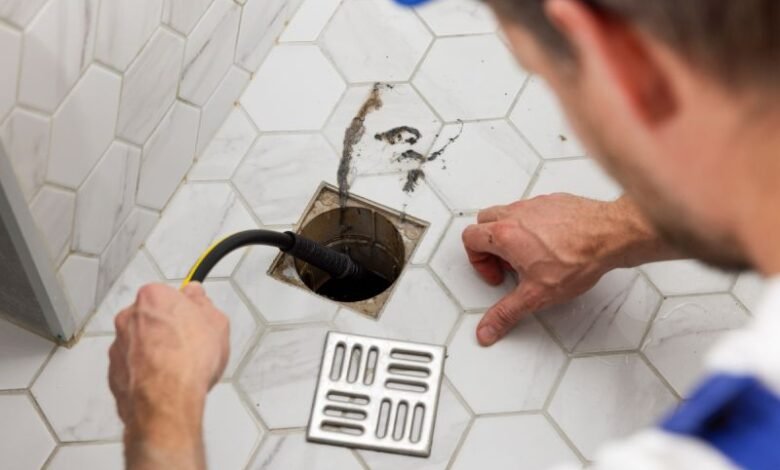
Water pooling in a shower, a toilet that burps, or a kitchen sink that slows to a crawl rarely starts as a one-off annoyance. They are early signals about what is happening inside your home’s branch lines and main sewer lateral. In Owasso, those signs can accelerate after big family gatherings or heavy rain when systems see more use. Reading symptom patterns across fixtures helps you decide what to try first, what to avoid, and when it is time to use professional tools like a camera inspection or hydro-jetting. This guide explains how to interpret slow drains, gurgles, and odors; outlines safe first steps using a plunger, P-trap, and cleanout; and shows when advanced methods make sense.
- Patterns that Point to a Mainline vs Fixture Drain Issue
If one sink or a single shower is slow, the obstruction is often close by: hair caught at the stopper, hardened soap under the drain cover, or debris packed in the P-trap. When several fixtures misbehave at once, think bigger. A toilet that makes a bathtub gurgle or raises water in a nearby shower suggests a downstream restriction that is forcing air through other traps. That pattern often points to a partially blocked main or a branch serving multiple fixtures. For work beyond safe DIY, homeowners can look into services like Drain Cleaning Services in Owasso, OK to learn what a thorough mainline cleaning involves.
Specific pairings tell stories. If a dishwasher cycle pushes water up into a kitchen sink, the grease and food buildup is probably in the sink’s horizontal branch rather than deep in the main. If a washing machine discharge bubbles a basement or garage floor drain, the shared branch may be undersized, bellied, or partially blocked. Seeing water at an exterior sewer cleanout cap while multiple indoor fixtures struggle indicates a mainline restriction that needs more than a hand snake. Recognizing these patterns keeps you from wasting effort on the wrong pipe segment.
- Noises and Odors: What Gurgles and Smells Tell You
Gurgling is air looking for a way past an obstruction. When a clog forms downstream, draining water can siphon nearby P-traps and pull air through the water seal. That “glug-glug” in a sink after a toilet flush points to a shared branch or venting problem. If the sound persists after local cleaning, reduced airflow in the vent stack or a partial blockage farther down may be the cause. Persistent gurgles deserve attention because a siphoned P-trap loses its water seal and lets sewer gas into the room.
Odors help narrow the cause. A sharp sewer smell at a floor drain often comes from a dry trap, especially in guest baths or utility areas that sit unused. Refill the trap with water and add a teaspoon of mineral oil to slow evaporation. A sour, swampy odor at a bathroom sink typically signals biofilm on the stopper and tailpiece. Removing the stopper, scrubbing away the slime, and flushing with hot water usually clears it. If the odor coincides with slow drainage across several fixtures, look downstream for a partial mainline obstruction that lets waste linger.
- Safe First Steps: Plungers, Traps, and the Cleanout
Start with the right plunger and seal. A cup plunger is built for flat surfaces like sinks and tubs; a flange plunger fits the toilet outlet. Block the sink’s overflow with a wet rag to keep pressure focused on the clog. If a bathroom sink remains slow, put a bucket beneath the P-trap, loosen the slip nuts by hand or with pliers, and clear hair or debris caught in the trap and trap arm. For showers and tubs, remove the screen, pull out hair with a plastic hook, and flush with hot water to soften soap scum before reassembling.
If several fixtures are affected, find the sewer cleanout. Many homes have a capped cleanout just outside a foundation wall or near an exterior wall under a removable plug. Loosen the cap slowly, as backed-up wastewater may be under pressure. If you see water standing at the cleanout, stop and consider calling a professional before the situation escalates indoors. Be cautious with chemical drain openers. Caustic products can soften PVC fittings, corrode older cast-iron pipes, and create hazards for anyone who later runs a drain machine. They also tend to punch small holes through soft obstructions rather than remove them, which means the blockage often returns quickly.
- When Professional Tools Make Sense
Some problems call for more than a plunger and hand snake. A motorized auger can cut through compacted wipes or a root intrusion and retrieve rags lodged at a fitting. A video camera inspection shows the real condition of the pipe walls, reveals settled “bellies” that trap debris, and pinpoints offsets or cracks. Hydro-jetting uses high-pressure water to scour grease, scale, and sludge from the pipe’s full circumference. Compared with cabling, which primarily cuts a path, jetting flushes residue that would otherwise reseal. The trade-off is access and skill: jetting requires a suitable cleanout and an experienced operator to set pressure and nozzle types safely.
Consider two recurring scenarios. A kitchen line that backs up after holiday cooking usually hides a long run coated in congealed grease. Cabling may reopen flow today, but hydro-jetting and a camera check help remove the grease layer and verify the grade so the fix lasts. In yards with mature trees, fine roots can enter small cracks and cause seasonal backups. A cutting head on a drain machine can clear the growth, but roots often return. Schedule periodic maintenance, then plan a longer-term repair if cracks worsen, to keep surprises out of your calendar.
Keeping Drains Clear After a Backup
Everyday habits matter. Strainers on shower and tub drains catch hair before it mats under the screen. In the kitchen, scrape plates into the trash, pour cooled grease into a disposable container, and run hot water for several seconds after the dishwasher finishes to move fats past the horizontal run. Avoid flushing wipes, “flushable” or not; they snag on joints and form ropes that typical plunging cannot dislodge. For routine upkeep, enzyme-based cleaners can help reduce organic buildup in sinks and tub drains, while harsh openers trade short-term relief for pipe wear and safety risks.
Watch for early signals in the weeks after a major clearing. If gurgling returns or multiple fixtures slow at once, the obstruction may be reforming at a sag in the line or a root entry point. Outdoors, keep large-rooted plantings away from the sewer lateral, and keep the cleanout accessible so emergencies don’t become demolition projects. After a severe blockage, or if your home has older piping, consider periodic camera inspections to confirm the pipe walls are clean and aligned. Catching issues early, making safe first moves, and calling in advanced tools when warranted protect both your drains and your day.