Every building has the potential to become a comfortable, functional, and attractive space when its interiors are planned carefully. Whether it is a residential apartment, a commercial office, a retail store, or a hospitality property, the right design and finishing choices can improve everyday experiences. Professional interior fit-out services in Dubai help property owners transform empty or outdated spaces into practical environments that reflect their needs, preferences, and business objectives. From initial planning to final finishing, each stage requires attention to detail, suitable materials, and coordinated execution. A well-organised fit-out project can also improve space utilisation, simplify maintenance, and create a consistent appearance throughout the property.
Understanding the Interior Fit-Out Process
Interior fit-out involves preparing and finishing an interior space so that it is ready for occupation or daily use. The process may include installing flooring, ceilings, lighting, partitions, cabinetry, fixtures, and other essential elements. The exact scope depends on the building, its existing condition, and the owner’s requirements.
A successful project begins with understanding how the space will be used. Residential properties require comfortable layouts and convenient storage, while commercial environments often need efficient circulation, suitable lighting, and durable finishes. Careful planning helps ensure that design decisions support both appearance and functionality.
Why Proper Planning Matters
Planning establishes the direction of an interior project before major work begins. It helps property owners understand their priorities, allocate resources, and coordinate different activities. Without a clear plan, unexpected changes can affect schedules, budgets, and the overall quality of the finished space.
Several factors deserve attention during the planning stage:
- Space assessment: Evaluate the existing layout, dimensions, structural conditions, and available facilities.
- Design requirements: Identify preferred colours, materials, furniture arrangements, and functional features.
- Budget allocation: Divide the available budget between materials, labour, installations, and finishing work.
- Project scheduling: Establish realistic timelines and coordinate the sequence of activities.
- Compliance requirements: Check applicable building regulations, approvals, and safety standards before work begins.
These considerations provide a practical foundation for smoother project execution. They also help owners make informed decisions when comparing different materials, layouts, and finishing options.
Choosing Materials for Long-Term Performance
Materials influence the appearance, durability, maintenance requirements, and overall cost of an interior. Although attractive finishes can enhance a space, they should also suit the environment in which they will be installed. High-traffic commercial areas, for example, may require surfaces that withstand frequent use, while residential spaces can benefit from materials that balance comfort and easy maintenance.
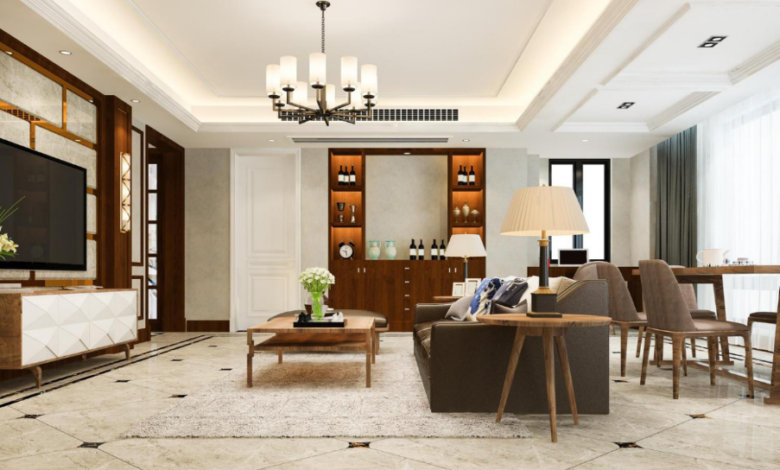
Flooring options include tiles, vinyl, engineered wood, and other suitable surfaces. Wall finishes may involve paint, decorative panels, wallpaper, or textured coatings. Ceiling systems can accommodate lighting fixtures, ventilation components, and selected design features.
Before making a final selection, consider the following points:
- Durability under expected daily use.
- Ease of cleaning and routine maintenance.
- Resistance to moisture where necessary.
- Compatibility with the overall interior design.
- Availability, installation requirements, and replacement costs.
Choosing materials according to practical needs can reduce avoidable repairs and help maintain the property’s appearance over time.
Creating Functional Residential Interiors
Residential interiors should support everyday routines while providing comfort and visual harmony. A thoughtfully designed home considers how family members move between rooms, store belongings, prepare meals, relax, and work. Even smaller apartments can feel more organised when furniture placement, lighting, and storage are planned efficiently.
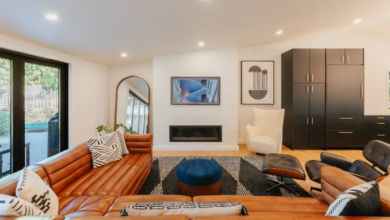
Living rooms benefit from balanced seating arrangements, suitable lighting, and practical circulation space. Kitchens require convenient work surfaces, organised storage, and appropriate ventilation. Bedrooms should provide restful surroundings, while bathrooms need moisture-resistant finishes and functional fixtures.
Improving Commercial and Office Spaces
Commercial interiors must support business activities while creating a suitable impression for employees, customers, and visitors. An office, showroom, restaurant, or retail outlet has different operational requirements, so the design should reflect its purpose rather than follow a single standard approach. For businesses considering interior fit out services in Dubai, the main priority is often to balance workplace efficiency, customer experience, and the company’s visual identity.
Important commercial fit-out considerations include:
- Lighting design: Provide suitable illumination for different tasks and areas.
- Space planning: Arrange furniture and partitions to support movement and productivity.
- Acoustic comfort: Consider sound-absorbing materials in busy or shared environments.
- Brand consistency: Coordinate colours, finishes, signage, and design elements.
- Safety and accessibility: Maintain appropriate access routes and comply with relevant requirements.
A well-designed commercial environment can improve usability, support daily operations, and contribute to a positive customer experience.
Understanding the Role of Design and Execution
Interior design and fit-out work are closely connected, but they involve different responsibilities. Design establishes the visual direction, layout, materials, and functional requirements. Fit-out execution turns those plans into a finished physical environment through installation, coordination, and finishing activities.
Effective interior and fit out planning brings these responsibilities together so that design choices remain practical during implementation. For instance, a decorative ceiling must accommodate lighting and ventilation, while cabinetry must fit the available dimensions and allow convenient access to essential services.
Maintaining the Finished Interior
Regular maintenance helps preserve the quality and appearance of completed interiors. Dust, moisture, heavy use, and accidental damage can gradually affect surfaces and fixtures. Simple preventive measures can help property owners avoid unnecessary deterioration.
Recommended practices include:
- Cleaning floors and surfaces with suitable products.
- Inspecting plumbing fixtures for leaks and moisture problems.
- Checking lights, switches, and electrical fittings when needed.
- Repairing minor paint damage before it spreads.
- Maintaining ventilation systems and keeping vents unobstructed.
- Reviewing furniture, cabinets, and hardware for signs of wear.
Maintenance requirements should reflect the materials installed and the frequency of use. Keeping a routine inspection schedule makes it easier to identify problems before they require extensive repairs.
Conclusion
A successful interior project combines thoughtful planning, appropriate materials, skilled execution, and regular maintenance. By considering functionality alongside appearance, property owners can create spaces that support daily activities and remain practical over time. Clear communication, realistic budgeting, and careful quality checks further contribute to a smoother experience.
Whether improving a home or preparing a commercial property, choosing a coordinated approach helps ensure that every element serves a useful purpose while contributing to the overall design. Toba Gold Building Maintenance LLC provides building maintenance and property improvement solutions tailored to different requirements. With attention to workmanship, practical planning, and finishing details, the company aims to help clients maintain attractive, functional, and well-presented spaces across Dubai.