Custom Cardboard Boxes: A Complete Guide to Custom Cardboard Boxes for Small Businesses

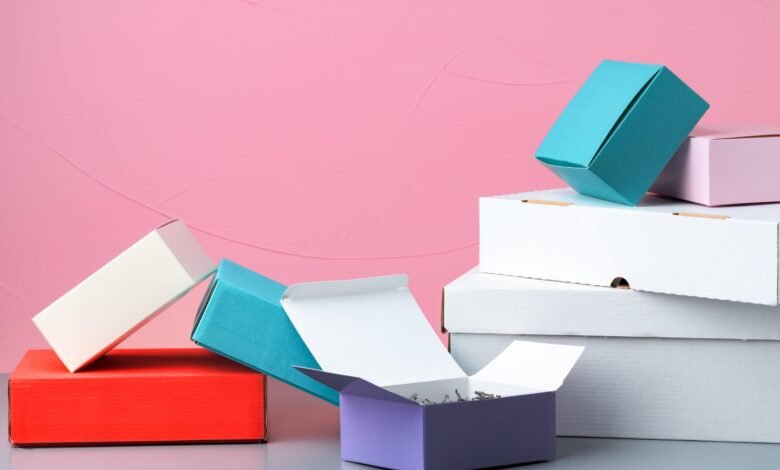
For a small enterprise, packaging choices will influence everything from the cost of shipping to customer satisfaction. Boxes must be strong enough to carry the goods, properly sized and printed so that they fit the order and identify the brand to the customer. On the other hand, it should not use up too much of the budget.
A box made of cardboard provides a lot of flexibility in terms of materials used, size, design, and printing. This way, an affordable and practical packaging solution can be found without necessarily having to go to a rigid box right away.
What Are Custom Cardboard Boxes?
Custom Cardboard Boxes are packaging solutions made to suit a product’s dimensions, weight, presentation requirements, and branding. The word might be related either to folding paperboard cartons or corrugated shipping containers.
Each material is applied differently. Folding paperboard is widely used for light products, while corrugated board has an extra layer, which provides more protection for the item.
It all depends on your product and on the way you want it to be packed. The little cosmetic case requires a nice printed box, but a fragile item being delivered from one coast to another needs corrugated packaging and cushioning inside.
Why Small Businesses Use Custom Cardboard Packaging
Better Product Fit
Standard boxes do not always match the dimensions of a product. Packaging that is too large may require extra void fill, while an overly tight fit can make packing difficult or damage delicate items.
A box designed around the product can help reduce unnecessary space and keep the contents positioned more securely. This is especially useful for businesses shipping products in different sizes or selling curated bundles.
More Recognizable Branding
Packaging is often one of the first physical interactions customers have with an online business. Consistent colors, a clear logo, and readable product information can make orders feel more professional.
Product packaging can also communicate useful details, such as handling instructions, product benefits, or care information. The design should support the customer’s experience rather than overwhelm the box with graphics.
Practical Storage and Fulfillment
Cardboard cartons may be designed to be shipped flat to conserve storage space until they are required. This is useful if there is a smaller group of people with less storage space.
Having an appropriate design will make it easier to pack the items as well, especially if it is the same item packed each time.
Choosing the Right Cardboard Box Style
The best style depends on the product and how it will be sold.
- Folding cartons: Suitable for lightweight retail products, cosmetics, stationery, and small consumer goods.
- Corrugated shipping boxes: Useful for e-commerce orders, heavier products, and items needing added protection during transit.
- Mailer boxes: A popular option for subscription orders, apparel, promotional kits, and direct-to-customer deliveries.
- Die-cut boxes: Designed around particular product shapes or presentation needs, with features such as custom openings or specialized closures.
Not every product requires a specialized structure. A standard corrugated box with the right dimensions and cushioning may be more cost-effective than a complicated custom design.
How to Select the Right Material and Size
Begin by determining the dimensions of the product such as its length, width, and height. Also include any accessory items like the lid or any other item that is going to be packed together with the product.
The next step is taking into consideration the weight of the product and how fragile the product is. Lighter items can be handled using lighter materials, but heavier products need proper board strength and base support.
Before ordering, try out a trial using the real product to see if the box closes and maintains its structure.
Affordable Ways to Customize Your Packaging
Customization does not always require elaborate finishes. Small businesses can create an effective branded appearance through a few well-chosen elements.
Logo printing: Make your business identifiable with a clear, appropriately sized logo.
Brand colors: Use a consistent palette across packaging, inserts, and other customer-facing materials.
Interior messaging: Add a thank-you note, product instructions, or a short message inside the box to create a more personal experience.
Protective inserts: Use suitable cardboard dividers or inserts to separate products and reduce movement.
Selective finishing: Consider coatings or decorative details only where they support the product’s positioning and budget.
Simple, well-organized designs can look professional without adding unnecessary production costs.
Common Packaging Mistakes to Avoid
The packaging of small business products may be unprofitable due to packaging being designed for its appearance. You should avoid the following mistakes when designing the packaging:
- Selecting a box without measuring the actual product size.
- Protecting the package with insufficient means of protection from damage during transportation.
- Purchasing a lot of boxes before approving a prototype.
- Adding unnecessary elements to increase the cost of the packaging without providing better customer experience.
- Considering these aspects before the manufacturing process allows choosing an efficient packaging solution.
Build a Better Packaging Strategy as You Grow
Smaller companies do not have to use the fanciest boxes in order to deliver a good customer experience. Instead, they must use the right-sized box that protects the product, facilitates its distribution, and reflects the company’s identity.
Properly planned Custom Cardboard Boxes allow for flexibility as the range of products offered or order volume increases. This is done through selecting proper materials, dimensions, and product packaging.