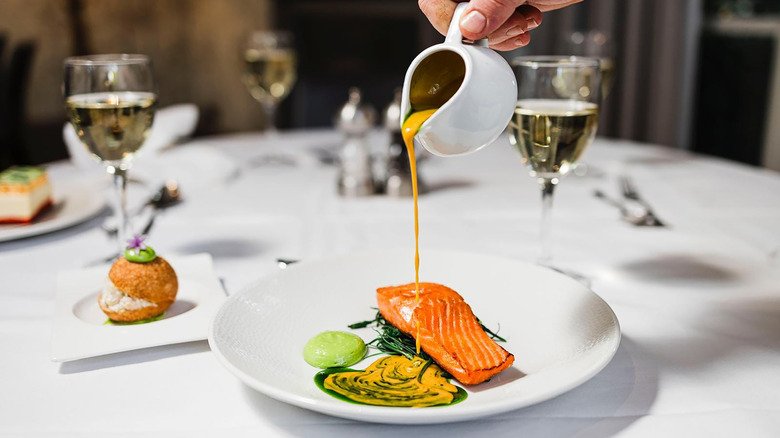
New York’s chef’s counter tasting menus offer a front-row seat to a working kitchen’s choreography, where you can watch plating at the pass, hear the plancha sizzle, and speak directly with the team preparing your food. The experience is intimate and purposeful: a fixed sequence of courses that builds flavor, texture, and temperature with intent. For first-time diners and seasoned guests alike, small choices before and during the meal can elevate the night. From reservation timing to pairing strategies and counter etiquette, here is a practical guide to one of the city’s most exacting forms of fine dining.
- Booking and Timing Shape the Experience
Guides to Michelin restaurants in New York often emphasize chefs’ counters because timing is inseparable from quality in this format. Many restaurants release reservations in predictable windows and run tightly scheduled seatings. If your confirmation says 8:15 p.m., treat that as the first course, not just the arrival time. Arriving early enough to settle in lets the opening canapés and amuse-bouche do their job, introducing the kitchen’s point of view and setting the palate for what follows.
Consider a realistic scenario: a couple arrives 15 minutes late to a counter with a single seating. The kitchen may compress early bites or adjust pacing to align with later hot courses coming off the line. Nothing is “lost,” but subtle contrasts, such as a chilled crudo followed by a just-poached shellfish course, can blur. Arriving on time preserves the intended temperature, crunch, and acidity that link one plate to the next. If a delay is unavoidable, call ahead so the team can decide whether to seat you at the start of the next sequence.
- Counter Seating, View of the Line, and Conversation
Not every counter seat is the same. Spots near the pass offer a close view of finishing touches like spooned sauces, micro herb placement, and torching, while seats near the grill or plancha showcase searing and resting techniques. If a preference matters to you, ask politely when booking rather than at the door. The trade-off is simple: a “front row” view can be exhilarating, but you may also experience more heat and kitchen chatter. Seats slightly off center can balance visibility with comfort.
Conversation at a counter has its own rhythm. When a chef presents a course, keep questions concise so the line can reset for the next fire. Save longer curiosities about a koji cure or a particular vinegar for the sommelier or service captain between courses. One common misstep is narrating every bite to a companion at full volume. The counter is intimate by design, and your neighbors are likely focusing on the same aromas and textures. Keep voices low, and let the kitchen’s movement be part of the theater.
- Course Progression: Pacing Your Palate
Tasting menus typically move from lighter, cold preparations to hotter, richer plates before tapering into a dessert sequence. A crisp amuse-bouche might prepare you for a clean, saline crudo; later, a roasted course with a reduction sauce will call for a slower pace and a sip of water. Respect the spacing set by the team. If you race through a delicate tartlet and then linger over a broth meant to be sipped warm, you alter the arc of temperature and texture. Small choices, like alternating bites with sips of still or sparkling water, keep seasonings calibrated and reduce palate fatigue.
Expect transitions. An intermezzo, such as a citrus- or herb-driven palate cleanser, resets taste buds before dessert. Mignardises or petit fours may follow espresso or tea, providing a final contrast in sweetness and crunch. If bread service appears mid-meal, treat it as part of the composition rather than filler; butter and crumb structure often pair with specific sauces. In short, notice how acid, fat, and umami rise and fall across courses, and let the kitchen set the metronome.
- Wine Pairing, Non Alcoholic Pairing, or By the Glass?
No single beverage strategy is “best.” A curated wine pairing can illuminate the menu’s progression; think a mineral white with a chilled seafood course, a lighter red with a roasted fish, then something oxidative with aged cheese or a savory dessert. The trade-off is pace and alcohol load; a full pairing can be generous. Non alcoholic pairings have grown more sophisticated, with house-made infusions, verjus blends, and teas designed for specific courses. Ordering by the glass gives you control, but you risk missing intentional bridges between plates. Ask the sommelier how many pours they typically serve, their size, and whether a half pairing or shared pairing makes sense for your table. Still, keep water nearby and don’t hesitate to pause a pour if you need to reset.
Allergies, Preferences, and Photography Etiquette
Chef’s counter menus rely on mise en place and timing. Communicate allergies and serious aversions when booking, then confirm them when you are seated so the team can route alternatives without scrambling the line. Last-minute changes are sometimes possible, but they can disrupt pacing for the entire counter. If your dining partner is vegetarian or avoiding raw items, ask in advance whether parallel tracks are feasible; some kitchens can accommodate within the same narrative, while others design a separate arc.
Photography deserves restraint. Skip flash, turn off shutter sounds, and frame shots quickly between courses so you don’t hold a plate on the pass. Strong fragrances are another avoidable pitfall; perfume or cologne can interfere with your own experience and those around you, especially at a counter where steam and aromatics are part of the performance. If you want to know how a detail was achieved, why a gel set so cleanly, how a sauce stayed glossy, jot a note and ask during a natural break. The team will generally welcome thoughtful questions asked at the right moment.
A final scenario underscores why etiquette and pacing matter. Two guests seated near the pass decide to film each plate with bright phone lights and running commentary. The chef pauses presentation until the glare subsides, plates cool slightly, and the guests miss the intended temperature contrast between a warm custard and its chilled garnish. A quieter approach would have preserved both the dish and the flow for everyone at the counter. Thoughtful behavior shows courtesy and protects the craft you came to witness.
If you are drawn to the chef’s counter format seen at places like The Chef’s Table at Brooklyn Fare, lean into the theater with patience and curiosity. Arrive on time, match your beverage plan to the menu’s arc, and stay present for the small calibrations: how a spritz of citrus alters a broth, how a toasted crumb lifts a soft mousse. Afterward, take a minute to recall the two or three moments that surprised you most. Those notes make future visits richer and help you choose when to return as menus shift with the seasons.