Understanding the Importance of Clean Plumbing Pipes
A properly maintained plumbing system is essential for keeping a property comfortable, sanitary, and functional. Kitchen sinks, bathroom drains, showers, toilets, floor drains, and sewer lines all handle wastewater throughout the day, which means they are constantly exposed to grease, soap residue, food particles, hair, mineral deposits, and other materials that can gradually collect inside pipes. Although these substances may seem harmless when they enter the drainage system in small quantities, repeated accumulation can eventually restrict water movement and create stubborn blockages. Homeowners may initially notice slow-draining sinks, standing water in showers, unpleasant odors, or recurring clogs that return shortly after ordinary cleaning. These problems can become increasingly frustrating when the underlying buildup remains attached to the interior surfaces of the plumbing. Professional hydro jetting provides a powerful water-based cleaning solution that helps remove accumulated debris from suitable drainage pipes and restore better wastewater movement. Instead of simply creating a small opening through a blockage, this method is designed to clean a larger portion of the pipe interior, helping address the material responsible for recurring drainage problems. Understanding how this service works and when it is appropriate can help property owners make better decisions about plumbing maintenance.
What Makes Hydro Jetting an Effective Cleaning Method?
Traditional drain cleaning methods can be useful for removing certain types of obstructions, but they do not always eliminate the buildup that remains along the inside walls of pipes. A drain snake, for example, may break through a blockage and allow water to pass through again, but grease, sludge, and other residue can remain attached to the pipe surfaces. Over time, this remaining material may collect additional debris and contribute to another clog. Hydro jetting uses specialized equipment to deliver controlled streams of high-pressure water through a hose and nozzle inserted into the drainage system. The water helps break apart accumulated deposits, loosen stubborn residue, and carry unwanted material through the pipe toward the appropriate drainage outlet. Different nozzle designs are available for different cleaning requirements, allowing professionals to select equipment according to the pipe layout and type of obstruction. The cleaning process can be particularly helpful when grease, sediment, and organic buildup have accumulated over an extended period. However, the effectiveness of the service depends on selecting suitable pressure levels and confirming that the pipes are structurally capable of handling the cleaning process. A professional assessment helps ensure that the method is appropriate for the condition of the plumbing system.
Common Causes of Persistent Drain Blockages
Drain blockages develop when waste materials accumulate faster than wastewater can carry them away. Kitchen plumbing is especially vulnerable because cooking grease, oils, food scraps, and soap residue can enter sink drains during everyday cleaning activities. Grease may initially move through a pipe while warm, but it can cool and stick to the interior surfaces farther along the drainage line. Small food particles and other debris may then attach to this residue, gradually forming a thicker obstruction. Bathroom drains experience different types of buildup, including hair, shampoo, soap scum, toothpaste, and personal care products that can combine into dense deposits. Sewer lines may also collect sediment, organic waste, grease, and materials that should not enter the drainage system. In some situations, tree roots can penetrate damaged sewer pipes and create additional obstructions that interfere with wastewater movement. Professional hydro jetting may help remove many forms of accumulated debris when the pipes are suitable for high-pressure cleaning. However, the correct approach depends on the cause of the blockage. A pipe damaged by root intrusion, corrosion, or structural deterioration may require repair instead of cleaning alone, which is why identifying the actual problem is an important first step.
How the Professional Hydro Jetting Process Works
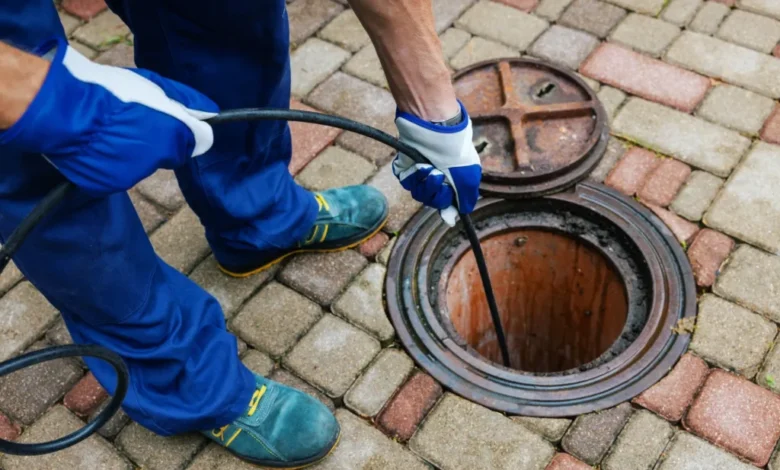
A professional cleaning service generally begins with an inspection of the affected drainage system. The plumber evaluates the symptoms, identifies which fixtures are experiencing problems, and determines whether the blockage may be located in an individual drain or a larger sewer line. Depending on the situation, a camera inspection may be performed to examine the interior of the pipe and identify grease, sludge, root intrusion, or visible damage. Once the plumber confirms that the pipe is suitable for cleaning, specialized equipment is prepared with a hose and nozzle designed for the particular drainage application. The hose is carefully inserted into the pipe, and controlled water pressure is used to direct streams through the nozzle. These streams help loosen and break apart accumulated material while moving the debris through the drainage system. During hydro jetting, the technician monitors the process and adjusts the equipment according to the pipe’s condition, layout, and cleaning requirements. Afterward, the plumber may test the drainage flow or perform another inspection to evaluate the results. This organized process helps ensure that the service addresses the actual obstruction and provides a clearer understanding of the condition of the plumbing system.
Removing Grease and Food Buildup from Kitchen Drains
Kitchen drains handle a combination of substances that can create difficult plumbing blockages when they accumulate over time. Cooking oil, grease, butter, food particles, coffee grounds, and soap residue may enter the sink during meal preparation and cleanup. Even when homeowners use sink strainers, small amounts of material can pass through the drain and collect inside the pipes. Grease is particularly troublesome because it can stick to pipe walls and gradually create a thick layer that reduces the available space for wastewater to flow. As the buildup becomes larger, water may begin draining slowly, unpleasant smells may develop, and repeated clogs may occur. Ordinary plunging or basic drain cleaning may temporarily improve the situation without completely removing the deposits. Professional hydro jetting can help clean suitable kitchen drainage pipes by directing pressurized water against accumulated grease and residue. Removing this material can improve wastewater movement and reduce the buildup that contributes to recurring blockages. Homeowners can support these results by wiping grease from cookware before washing it, disposing of cooking oil properly, and avoiding the disposal of large food scraps through kitchen sinks.
Improving Bathroom and Shower Drain Performance
Bathroom drains frequently collect hair, soap scum, shampoo residue, shaving products, and other materials that can gradually restrict water movement. Shower and bathtub drains are especially vulnerable because hair can become trapped around internal fittings and combine with soap residue to form dense obstructions. Bathroom sink drains may also experience buildup from toothpaste, personal care products, and other substances used during everyday routines. When these materials remain inside the pipes, water may begin draining more slowly, leaving standing water around shower floors or inside sinks. Some homeowners repeatedly remove visible debris or use basic cleaning tools, but deeper deposits may remain farther inside the plumbing system. Depending on the pipe condition and the nature of the blockage, professional hydro jetting may provide a more thorough cleaning option by flushing accumulated residue from suitable drain lines. Before performing the service, a plumber should inspect the affected plumbing and determine whether the pipes can safely withstand the required water pressure. Regularly removing visible hair, using suitable drain strainers, and addressing slow drainage early can also help reduce the development of stubborn bathroom clogs.
Maintaining Sewer Lines and Main Drainage Pipes
Sewer lines carry wastewater away from a property, making their condition important for the performance of the entire plumbing system. These larger drainage pipes receive wastewater from multiple fixtures, which means grease, sediment, organic debris, and other materials can gradually accumulate along their interior surfaces. When a sewer line becomes partially blocked, homeowners may notice several fixtures draining slowly at the same time, gurgling sounds from toilets, unpleasant odors, or wastewater backing up through lower-level drains. These symptoms should receive prompt attention because a serious sewer blockage can interfere with sanitation and cause considerable property damage. Professional hydro jetting may be used to clean suitable sewer lines by removing accumulated debris and helping restore a clearer passage for wastewater. However, sewer pipes should be evaluated before cleaning because cracks, collapsed sections, separated joints, and severe root intrusion may require a different solution. A plumber may use a sewer camera to understand the condition of the line and determine whether cleaning is appropriate. Regular sewer maintenance can help identify developing problems and reduce the inconvenience associated with unexpected drainage failures.
The Role of Camera Inspections Before Cleaning
Understanding what is happening inside a drainage pipe is important when choosing the right cleaning method. Slow drainage does not always mean that grease or ordinary debris is responsible. The problem may involve tree roots, damaged pipe sections, displaced joints, foreign objects, or a structural obstruction that cannot be resolved through routine cleaning. A plumbing camera inspection allows a technician to examine the inside of accessible pipes and identify visible conditions that may affect the drainage system. This information helps determine whether hydro jetting is suitable or whether another service should be recommended. For example, a severely cracked or collapsed pipe may be vulnerable to damage if exposed to high-pressure cleaning without proper assessment. Camera inspections can also help plumbers locate the affected section more accurately and evaluate the results after cleaning has been completed. By combining visual inspection with appropriate drain cleaning, professionals can make better decisions based on the actual condition of the plumbing rather than relying on assumptions. This approach helps property owners understand the problem, avoid unnecessary work, and select a solution that addresses the underlying cause.
Benefits of Thorough Pipe Cleaning
One of the main advantages of professional drain cleaning is that it can address accumulated material throughout a suitable section of pipe instead of focusing only on the immediate blockage. When grease, sludge, and other deposits remain attached to pipe walls, they can continue collecting additional debris and contribute to recurring drainage problems. Hydro jetting uses pressurized water to loosen and flush away many of these deposits, helping restore better flow through the cleaned section. Another benefit is that the process primarily relies on water rather than corrosive chemical drain cleaners, which may be unsuitable for certain plumbing systems and can create handling concerns. Professional technicians can also select the appropriate equipment and pressure according to the pipe’s material, condition, and diameter. Thorough cleaning may help reduce unpleasant drain odors associated with accumulated organic waste and grease. Although no cleaning method can guarantee that blockages will never return, removing existing buildup can support better drainage performance and make routine maintenance more effective. Property owners should understand that the service is intended for suitable pipes and cannot replace necessary repairs when the plumbing system has structural damage.
When High-Pressure Drain Cleaning May Not Be Suitable
Although high-pressure water cleaning can be effective for many drainage problems, it is not the correct choice for every pipe or blockage. Older plumbing systems may contain corroded metal pipes, weakened joints, cracks, or sections that have deteriorated after years of use. Applying unsuitable pressure to these components could worsen existing damage or create additional problems. Similarly, a collapsed sewer line, severely displaced pipe, or major structural failure requires professional repair rather than cleaning alone. Certain solid objects may also need to be removed using a different method before the drainage system can be cleaned. This is why a professional inspection should always be completed before deciding whether hydro jetting is appropriate. An experienced plumber evaluates the pipe material, condition, size, and layout before selecting equipment and pressure settings. If the inspection reveals significant damage, the technician can explain the available repair options and determine whether cleaning should be delayed until the pipe has been restored. Choosing the correct service protects the plumbing system and helps ensure that the cleaning process provides useful results without exposing vulnerable pipes to unnecessary stress.
Preventing Future Drainage Problems Through Better Habits
Professional cleaning can remove existing buildup, but everyday household habits remain important for preventing future blockages. Kitchen users should avoid pouring cooking oil, grease, and fat directly into sinks because these substances can cool inside the plumbing and stick to pipe walls. Food scraps, coffee grounds, and fibrous materials should also be disposed of properly instead of being washed down the drain. In bathrooms, suitable drain strainers can catch hair before it enters the plumbing system, while regular removal of visible debris can help prevent the formation of larger clogs. Toilets should only receive materials designed to be flushed because wipes, sanitary products, paper towels, and other inappropriate items may contribute to sewer blockages. Property owners should also pay attention to recurring odors, slow drainage, and gurgling sounds because these symptoms may indicate developing problems. When blockages continue returning despite ordinary cleaning, a professional inspection can determine whether hydro jetting or another service is needed. Combining responsible disposal practices with periodic plumbing maintenance can help reduce unnecessary strain on drainage pipes and support reliable wastewater movement.
Choosing an Experienced Plumbing Professional
Selecting a qualified plumbing service provider is an important part of achieving effective and safe drain cleaning results. High-pressure equipment requires proper handling, and technicians must understand how different pipe materials and drainage configurations respond to water pressure. A dependable professional should begin by investigating the blockage, explaining the inspection findings, and discussing why a particular cleaning method is recommended. Homeowners should also ask whether the plumber can perform camera inspections when the cause of recurring clogs is uncertain. Clear communication is important because some drainage problems can be resolved through cleaning, while others require repairs or replacement of damaged pipe sections. Working with an established plumbing company such as Roostr Plumbing can help property owners obtain professional assistance when stubborn drain and sewer problems need attention. Experienced technicians understand that hydro jetting should be selected according to the actual condition of the plumbing system rather than applied without inspection. They can explain the process, discuss possible limitations, and recommend appropriate maintenance steps after the work is completed. Choosing professional service helps property owners make informed decisions and reduces the risk of repeated attempts that fail to resolve the underlying drainage concern.
Long-Term Plumbing Maintenance and Drainage Reliability
A reliable plumbing system requires ongoing attention because pipes are exposed to regular wastewater flow, household debris, mineral deposits, and normal wear. Waiting until a drain becomes completely blocked can lead to unnecessary inconvenience, especially when multiple fixtures depend on the same sewer line. A better approach involves recognizing early warning signs, arranging inspections when drainage changes occur, and addressing developing problems before they become severe. Professional maintenance can help identify accumulated buildup, evaluate vulnerable pipe sections, and determine whether cleaning or repairs are necessary. When performed on suitable pipes, hydro jetting can be part of a broader maintenance strategy by removing deposits that contribute to restricted drainage and recurring clogs. However, the frequency of professional cleaning should depend on the property’s plumbing condition, usage, pipe layout, and history of blockages rather than following an unnecessary fixed schedule. Homeowners who combine responsible drain use with appropriate professional inspections can support better wastewater movement and reduce the likelihood of unexpected plumbing disruptions. Consistent maintenance also helps property owners understand the condition of their drainage system and plan for repairs before more serious problems develop.
Conclusion
Persistent drain blockages can disrupt everyday activities, create unpleasant odors, and lead to expensive plumbing problems when accumulated debris is not addressed properly. Grease, food residue, hair, soap scum, sediment, and other materials can gradually restrict kitchen drains, bathroom plumbing, and sewer lines. Professional inspections help identify the source of these problems and determine which cleaning method is appropriate for the affected pipes. When the plumbing system is structurally suitable, hydro jetting offers a thorough water-based cleaning solution that can remove stubborn deposits and improve drainage performance. The process becomes even more effective when combined with camera inspections, responsible disposal habits, and regular plumbing maintenance. By working with experienced plumbing professionals and addressing drainage concerns before they become severe, property owners can protect their plumbing systems, reduce recurring blockages, and maintain dependable wastewater flow for the long term.