A home’s foundation is one of the most important parts of its structure because it supports the weight of the entire building and helps maintain the stability of walls, floors, and other structural components. Although foundations are built to withstand significant pressure, they can gradually develop problems because of excessive moisture, shifting soil, poor drainage, plumbing leaks, and natural material deterioration. When these issues are ignored, small cracks and minor water leaks may develop into more serious concerns that affect the safety, comfort, and value of the property. Homeowners who understand the importance of foundation maintenance can recognize early warning signs, address potential risks, and take practical steps to protect their investment. Regular inspections, effective water management, and timely professional assistance can help maintain a strong foundation while reducing the likelihood of expensive structural repairs in the future.
Why Foundations Matter
A properly constructed foundation distributes the building’s weight across the supporting ground and helps prevent uneven movement that could damage the structure. Depending on the design of a property, the foundation may include concrete slabs, basement walls, footings, or crawlspace supports, each of which must perform reliably under changing environmental conditions. Soil moisture, groundwater pressure, temperature fluctuations, and drainage conditions can all influence how a foundation performs over time. When the ground beneath a building becomes unstable or water repeatedly collects around exterior walls, the foundation may experience additional stress that contributes to cracks, settlement, or moisture penetration. Maintaining the surrounding landscape and monitoring visible foundation surfaces can help homeowners identify potential problems before they affect other parts of the building.Foundation damage can also create problems that extend beyond the basement or the exterior walls. As the supporting structure moves, homeowners may notice uneven floors, doors that stick, windows that become difficult to open, or cracks appearing around interior walls and ceilings. These symptoms do not always mean that the foundation has sustained severe damage, but they should receive attention when they appear suddenly, become progressively worse, or occur alongside visible structural movement. Understanding the connection between foundation stability and the rest of the building helps homeowners appreciate why early inspections and appropriate maintenance are important for preserving the property’s overall condition.
Common Causes of Damage
Water is one of the most common factors that can contribute to foundation problems, particularly when drainage systems do not direct rainwater away from the building. Clogged gutters, damaged downspouts, poorly graded soil, and standing water near exterior walls can allow moisture to accumulate around the foundation. As the surrounding soil becomes saturated, it may exert additional pressure against basement walls and create conditions that encourage water infiltration through cracks or weak points. Plumbing leaks beneath floors or near foundation walls can cause similar concerns by repeatedly introducing moisture into areas that should remain relatively dry. Over time, these conditions may affect concrete surfaces, damage nearby building materials, and create an environment where mold can develop if moisture remains uncontrolled.Soil movement is another important cause of foundation deterioration because different soil types respond differently to changes in moisture. Some soils expand when wet and contract when dry, creating repeated pressure changes around the structure. If one section of the ground shifts more than another, the foundation may settle unevenly, resulting in cracks, gaps, and other visible changes. Tree roots, changing groundwater levels, inadequate soil preparation, and nearby excavation can also influence ground stability. In addition, poor construction practices or aging materials may leave certain foundation components more vulnerable to deterioration. Identifying the specific cause of damage is essential because an effective solution must address the conditions responsible for the problem rather than simply covering the visible symptoms.
Warning Signs to Watch
Recognizing the early signs of foundation damage allows homeowners to arrange an inspection before a manageable concern develops into a more complicated problem. Cracks in concrete walls, basement floors, and exterior masonry are among the most noticeable warning signs, but their significance depends on their size, direction, location, and rate of change. Some narrow cracks develop as concrete naturally shrinks during curing, while widening cracks or horizontal cracks in basement walls may indicate pressure or movement that deserves closer evaluation. Homeowners should also pay attention to stair-step cracks in brickwork, gaps around window frames, and areas where exterior finishes appear to separate from the structure. Taking photographs and monitoring changes can help document the condition and provide useful information during a professional assessment.Other warning signs may be easier to notice during everyday activities inside the home. Doors that no longer close properly, windows that suddenly become difficult to operate, sloping floors, and gaps between walls and ceilings can sometimes indicate movement in the supporting structure. Persistent dampness, musty odors, peeling paint, and white mineral deposits on basement walls may point toward moisture entering through concrete or masonry. These symptoms can have several possible causes, so homeowners should avoid assuming that every crack or damp patch requires the same treatment. When multiple warning signs appear together or continue to worsen, a professional evaluation can help determine whether the problem involves structural movement, drainage deficiencies, plumbing leaks, or a combination of conditions.
Effective Repair Solutions
Professional foundation repair begins with identifying the cause and extent of the damage before selecting a suitable treatment. An experienced specialist may examine visible cracks, wall alignment, settlement patterns, drainage conditions, and evidence of moisture intrusion to understand how the foundation is performing. Depending on the findings, the recommended solution may involve sealing appropriate cracks, reinforcing affected walls, stabilizing settled sections, or addressing conditions that place excessive pressure on the structure. This assessment is important because a cosmetic repair may improve the appearance of a damaged surface without correcting the underlying issue. A well-planned approach focuses on restoring stability where necessary, limiting further deterioration, and helping prevent the same problem from returning.Different foundation conditions require different methods, and the most appropriate solution depends on the property’s construction and the severity of the damage. Minor nonstructural cracks may sometimes be sealed with suitable materials, while more substantial settlement may require engineered support systems designed for the specific soil and building conditions. Walls experiencing significant movement may need specialized reinforcement after the cause of the pressure has been assessed. If water intrusion is contributing to the damage, drainage improvements or basement waterproofing may also be necessary. Homeowners should ask professionals to explain the recommended method, the reason it is appropriate, and whether additional work is needed to manage moisture or soil conditions. This information makes it easier to understand the purpose of the repair and evaluate the long-term benefits of the proposed solution.
Better Water Management
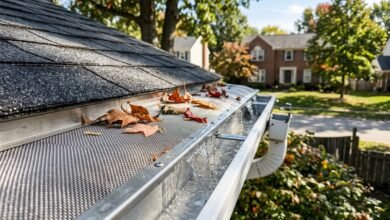
Controlling water around the home is an essential part of maintaining a stable foundation because excessive moisture can contribute to soil movement, basement leaks, and deterioration of vulnerable materials. Gutters should be kept clear of leaves and debris so rainwater can flow freely from the roof into properly functioning downspouts. Downspouts should discharge water away from the foundation instead of releasing it directly beside exterior walls, where it may accumulate in the surrounding soil. Homeowners should also inspect drainage components for damage, blockages, and loose connections that could allow water to spill near the building. These simple maintenance practices can reduce unnecessary moisture exposure and help protect basement walls from recurring water problems.The grading of the surrounding ground is equally important because the soil should generally direct surface water away from the structure. Low spots near the foundation can collect rainwater, allowing moisture to remain close to basement walls for extended periods. Correcting these areas may involve carefully adjusting the ground surface or improving an existing drainage arrangement, depending on the property’s layout and soil conditions. Homeowners should also examine irrigation systems to ensure that sprinklers do not repeatedly soak foundation walls and that garden beds do not obstruct water flow. Where ordinary drainage improvements are insufficient, a professional may recommend a more comprehensive drainage system designed to manage groundwater and reduce pressure around the foundation.
Basement Moisture Control
Basement moisture problems often develop when water finds a pathway through cracks, porous concrete, wall joints, or other vulnerable areas of the building envelope. Even small amounts of recurring seepage can damage stored belongings, flooring, insulation, drywall, and other interior materials. Persistent moisture may also contribute to musty odors and mold growth when environmental conditions allow it to develop. Addressing these problems requires identifying where the water originates and determining whether the issue involves surface runoff, groundwater pressure, plumbing leaks, condensation, or defects in existing waterproofing materials. Treating the actual source of moisture is more effective than repeatedly cleaning stains or covering damp areas with paint.Depending on the property’s condition, basement waterproofing may involve crack sealing, exterior waterproofing, interior drainage channels, sump pump improvements, or other moisture-management measures. Each option serves a different purpose, so the appropriate approach should be selected after evaluating the source and severity of the water problem. For example, sealing a suitable localized crack may help stop a specific leak, but it may not resolve water pressure affecting an entire basement wall. Similarly, a drainage system may help collect and redirect incoming water but should be designed to suit the property’s layout and discharge requirements. Combining appropriate waterproofing measures with sound exterior drainage and regular maintenance can help create a drier basement and reduce the risk of repeated water damage.
Preventive Maintenance
Routine inspections can help homeowners identify developing foundation concerns before they require more extensive work. Checking visible foundation walls, basement floors, exterior masonry, gutters, downspouts, and nearby drainage areas provides opportunities to notice cracks, damp patches, standing water, or other unusual changes. Homeowners should document existing cracks and compare their appearance over time, particularly when there is evidence of movement or repeated water intrusion. If cracks widen, walls begin to bow, or doors and windows become increasingly difficult to operate, professional assessment is advisable. Keeping records of inspections and completed maintenance also makes it easier to understand how the foundation has changed and which preventive measures have already been taken.Seasonal maintenance is especially useful for controlling moisture and protecting the surrounding soil. Before periods of heavy rainfall, homeowners should clear gutters, check downspouts, inspect drainage paths, and remove obstructions that could cause water to collect near the building. After significant storms, checking the basement for dampness, water stains, or standing water can help reveal weaknesses in the existing drainage system. Landscaping should also be maintained so that irrigation does not saturate the soil directly beside the foundation and roots do not interfere with drainage or underground utilities. Although preventive maintenance cannot eliminate every structural risk, it can reduce avoidable moisture problems and help homeowners recognize when professional assistance may be needed.
Choosing Qualified Professionals
Selecting an experienced professional is important when foundation damage requires more than basic maintenance. Homeowners should look for relevant experience, appropriate licensing where required, suitable insurance, and a clear explanation of the proposed work. A reliable assessment should consider visible damage as well as contributing factors such as soil movement, groundwater pressure, drainage problems, and plumbing leaks. If significant structural movement is suspected, consulting a qualified structural engineer may help establish the cause and determine which corrective measures are appropriate. This is particularly important when damage is extensive, continues to progress, or affects multiple areas of the building.Before approving a project, homeowners should request a written estimate that explains the work involved, materials to be used, expected limitations, and any recommended follow-up maintenance. It is also useful to ask whether waterproofing or drainage improvements are necessary to help prevent future damage. Comparing proposals based on the suitability of the solution, the contractor’s experience, and the clarity of the work plan is more valuable than selecting a provider solely because of the lowest price. Clear communication throughout the project helps homeowners understand unexpected findings, evaluate proposed changes, and keep records of completed repairs and applicable warranties.
Conclusion
Maintaining a stable foundation requires attention to structural warning signs, effective drainage, moisture control, and regular property inspections. Cracks, uneven floors, sticking doors, damp basement walls, and recurring water leaks should be evaluated carefully, especially when these problems become more noticeable over time. By identifying the underlying cause of damage and choosing appropriate corrective measures, homeowners can reduce the risk of recurring problems and protect the condition of their buildings. Combining suitable foundation repair solutions with basement waterproofing, proper grading, gutter maintenance, and preventive inspections can support long-term structural stability. Taking action early helps preserve the usability of basement spaces, protect valuable interior materials, and maintain the safety and value of the home for years to come.