A properly functioning gutter system is an essential part of protecting a home from water damage, yet many property owners do not pay attention to their gutters until a problem becomes noticeable. Gutters collect rainwater from the roof and direct it through downspouts to appropriate drainage areas, helping prevent excessive moisture from reaching exterior walls, fascia boards, landscaping, and the foundation. When leaves, twigs, pine needles, roof granules, and other debris accumulate inside the channels, water may no longer flow efficiently, causing overflow, leaks, and drainage problems that can affect several areas of the property. Over time, neglected gutters may contribute to peeling paint, deteriorating wood, soil erosion, and moisture accumulation near the foundation. Installing a suitable protection system can help reduce debris buildup and support more consistent water movement during changing weather conditions. Professional gutter guard installation provides homeowners with an opportunity to improve their existing drainage system, reduce the frequency of gutter cleaning, and protect important exterior components from unnecessary exposure to rainwater. By selecting appropriate materials, ensuring correct installation, and maintaining the system regularly, property owners can improve gutter performance and support the long-term condition of their homes.
Understanding the Importance of Gutter Protection
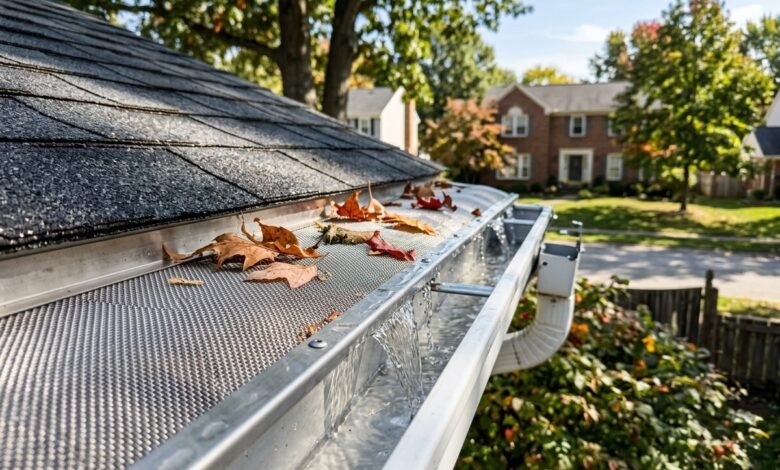
Gutter guards are designed to prevent or reduce the amount of debris entering gutter channels while allowing rainwater to pass through the system. Different products use different designs, including fine mesh screens, perforated covers, foam inserts, and solid-surface systems that guide water into the gutter while encouraging larger debris to fall away. The most suitable option depends on several factors, including roof design, gutter size, surrounding trees, rainfall intensity, and the amount of maintenance a homeowner is prepared to perform. A property surrounded by mature trees may experience frequent leaf accumulation, while another home may receive more pine needles, seeds, or fine organic material that can pass through larger openings. Understanding these conditions before selecting a product helps homeowners choose protection that addresses their property’s actual needs rather than relying entirely on price or appearance.An effective gutter protection system should complement the existing drainage arrangement instead of being treated as a complete replacement for maintenance. Even well-designed guards can collect fine debris on their surfaces, and heavy rainfall may reveal problems involving gutter capacity, improper slope, or blocked downspouts. For this reason, homeowners should consider the condition of the entire system before making improvements. Gutters must be securely attached, properly aligned, and capable of directing water toward their outlets, while downspouts must carry runoff away from the building. When these components work together, gutter protection can help reduce certain maintenance demands and support more dependable drainage. Regular inspections remain necessary because protective covers cannot resolve every problem associated with roof runoff, damaged gutters, or unsuitable landscape grading.
How Clogged Gutters Can Affect Your Property
Blocked gutters can create a range of exterior maintenance problems when rainwater cannot move freely through the drainage channels. Instead of flowing toward downspouts, water may spill over the front or back of the gutter and repeatedly soak fascia boards, siding, window trim, and other nearby materials. Prolonged moisture exposure can contribute to wood deterioration, paint damage, staining, and the weakening of components that depend on proper drainage to remain in good condition. Overflowing water may also fall directly onto garden beds, walkways, and soil around the home, washing away mulch, displacing landscaping materials, and creating muddy areas near entrances. These problems may develop gradually, which makes regular inspection especially important for homeowners who want to address maintenance concerns before they become more expensive to repair.Water management around the foundation is another important consideration because repeated roof runoff can increase moisture levels in the soil surrounding a building. When downspouts discharge too close to the house or the ground slopes toward the structure, rainwater may collect in vulnerable areas rather than draining away effectively. Depending on the property’s soil conditions, foundation design, and existing drainage arrangements, persistent moisture may contribute to basement dampness or other water-related concerns. Gutter guards can help reduce debris-related blockages, but they cannot correct every foundation or drainage issue. Homeowners experiencing repeated water pooling, basement moisture, or gutter overflow should investigate the underlying cause and consider whether additional repairs are needed. A complete assessment helps distinguish debris problems from structural defects, inadequate drainage capacity, and other conditions that require a different solution.
Choosing the Right Gutter Guard Materials and Design
Selecting an appropriate gutter guard requires consideration of the material, opening size, construction quality, installation method, and maintenance requirements. Mesh guards are popular because their fine openings can block many leaves and larger particles while allowing water to pass through. The effectiveness of a mesh product depends on the quality of the material and the size of its openings, particularly in areas where small seeds or fine debris are common. Perforated metal covers use carefully positioned holes to allow water into the gutter while restricting larger material. These systems may offer a durable option for homeowners who want a protective barrier that fits securely over existing gutter channels. However, the product must be compatible with the gutter’s shape and designed to handle the amount of runoff produced by the roof.Other options include foam inserts and solid-surface guards, each with advantages and limitations. Foam products fit inside the gutter and allow water to pass through their porous structure, but they may require periodic inspection to determine whether organic material or other buildup has affected their performance. Solid-surface designs guide water toward the gutter opening while encouraging leaves and debris to move away from the channel. Their performance depends on correct positioning, product quality, and the ability to handle heavy rainfall without allowing excessive water to overshoot the gutter. Aluminum and stainless steel are commonly considered for their strength and resistance to corrosion, while plastic products may suit certain applications when their durability and environmental limitations are understood. Comparing materials carefully helps homeowners balance cost, durability, cleaning requirements, and long-term value.
Preparing Gutters Before Installing Protective Covers
Proper preparation is one of the most important steps in achieving reliable results from a gutter protection project. Before guards are fitted, the existing gutters should be inspected and thoroughly cleared of leaves, dirt, twigs, roof granules, and other accumulated material. Downspouts should also be checked to confirm that water can move through them without obstruction. If standing water remains inside the channels after rainfall, the reason should be identified before any protective components are installed. Improper gutter slope, loose hangers, damaged seams, and blocked outlets can all interfere with drainage, and covering these problems without correcting them may leave the system performing poorly even after the project is complete.The supporting fascia boards and attachment points should also be examined to make sure the gutters are secure. Deteriorated wood, loose fasteners, bent sections, and leaking joints may need attention before new components are added. Installing guards over damaged gutters can limit access to the underlying problems and create additional work later. Homeowners should also consider whether the existing channels are appropriately sized for the roof area and whether the downspouts are positioned to carry water away effectively. Thorough preparation helps ensure that the protection system is installed on a sound foundation and allows contractors to identify necessary repairs before proceeding. Taking these steps can improve the likelihood of consistent performance and reduce the risk of avoidable installation problems.
Why Professional Installation and Accurate Fitting Matter
The quality of the installation has a significant influence on how well gutter guards perform over time. Even a durable product may allow debris to enter if sections are poorly aligned, gaps remain near corners, or fastening points are not secure. Incorrect positioning can also interfere with water collection, particularly on roofs where runoff moves quickly into the gutter during heavy rainfall. A professional installer evaluates the roofline, measures the gutter channels, selects compatible components, and follows the manufacturer’s installation requirements to achieve a secure fit. Careful attention to joints, corners, roof valleys, and downspout openings helps prevent areas from being overlooked during the project.Professional assessment is especially useful when the home has multiple roof levels, unusual angles, aging gutters, or sections that are difficult to access safely. These conditions may require different fitting methods or additional repairs before protective covers can be installed. The relationship between the guards and the roof edge must also be considered so that the new components do not interfere with roofing materials or the existing drainage design. Homeowners should ask about the product being used, the preparation included in the service, the method of attachment, and the maintenance recommended after completion. A well-planned gutter guard installation should improve the performance of a functioning drainage system while allowing future inspections and repairs to be carried out when necessary.
Maintaining Water Flow and Protecting Exterior Components
Gutter protection works best when it is part of a complete water-management plan for the home. Gutters collect runoff, downspouts transport it away from the roofline, and suitable discharge points help prevent excessive water from accumulating near the foundation. If a downspout empties directly beside the building, the property may continue to experience moisture problems even when the gutter channels remain clear. Depending on the situation, downspout extensions, drainage improvements, or adjustments to ground grading may be appropriate. These measures help ensure that water leaving the roof is carried to an area where it can drain safely without repeatedly soaking the soil next to the structure.Maintaining the condition of fascia boards, siding, trim, and other exterior materials is also important because these components can be affected by repeated overflow. Water escaping from clogged gutters may stain surfaces, weaken painted finishes, and expose vulnerable materials to unnecessary moisture. While gutter guards cannot prevent every form of exterior damage, they can help limit debris-related obstructions when the system is properly selected and maintained. Homeowners planning roof repairs, fascia replacement, or siding improvements should consider the gutter system as part of the overall project. Coordinating exterior work can help identify related defects, reduce repeated maintenance, and support better performance across the roofline and drainage components.
Reducing Routine Cleaning While Keeping Up With Inspections
One of the main reasons homeowners consider gutter protection is the opportunity to reduce the time and effort required to remove debris from gutter channels. When leaves and larger material are prevented from entering the system, the gutters may remain clearer between inspections, reducing the likelihood of certain blockages. This benefit can be particularly valuable for properties surrounded by trees or homes where gutter cleaning is difficult because of roof height and access limitations. Nevertheless, the amount of maintenance saved depends on the type of guard, the local environment, the condition of the roof, and the amount of debris that reaches the system. Fine particles may still accumulate on protective surfaces, and some products require periodic cleaning to maintain effective water flow.Homeowners should establish a regular inspection routine and pay attention to visible signs of poor performance. These may include water spilling over the edges during rainfall, loose guard sections, sagging gutters, staining beneath the roofline, or pooling near the foundation. Downspouts should remain clear, and any noticeable change in drainage should be investigated rather than ignored. Inspections should always be performed safely, especially when roof access or ladder work is involved. If the gutter system is high, difficult to reach, or located beside a steep roof, professional assistance can reduce the risks associated with maintenance. Treating gutter protection as a way to reduce routine cleaning rather than eliminate all maintenance helps homeowners maintain realistic expectations and preserve the system’s effectiveness.
Preparing for Seasonal Weather and Heavy Rainfall
Gutters experience different demands as weather conditions change throughout the year. During periods of heavy leaf fall, large amounts of organic material may reach the roof and collect around gutter openings. Strong winds can carry twigs and other debris onto the roof, while heavy rainfall tests whether the gutters and downspouts can manage the volume of runoff produced by the roof. In colder environments, freezing water and accumulated snow may place additional stress on exterior components. A suitable protection system should therefore be selected according to the home’s expected conditions rather than based solely on its appearance or initial cost.After a storm, homeowners should look for visible signs of damage, such as displaced guard sections, loose gutter connections, fallen branches, or unusual water overflow. If the system overflows despite having protective covers, the cause may involve surface buildup, insufficient gutter capacity, a blocked downspout, or an installation issue. Simply adding another layer of protection may not resolve the underlying problem. A careful inspection can help determine whether cleaning, repairs, improved drainage, or a different product is needed. Regular attention throughout the year allows property owners to identify developing issues and take appropriate action before they affect other parts of the home.
Choosing Reliable Exterior Services for Long-Term Protection
Selecting a qualified exterior contractor can help homeowners make informed decisions about gutter protection and related maintenance. An experienced professional can inspect the existing drainage system, identify visible defects, explain the available product options, and determine whether repairs are needed before installation. This assessment is particularly important when gutters are aging, fascia boards show signs of deterioration, or the property has experienced repeated overflow. A suitable recommendation should account for the roof design, gutter dimensions, surrounding vegetation, expected rainfall, and the homeowner’s maintenance preferences rather than relying on a single product for every property.Homeowners can also explore roofing and exterior improvement services through gutter guard installation when evaluating maintenance requirements and planning appropriate work on their property. Before approving a project, property owners should understand which materials will be used, what preparation is included, how the guards will be secured, and what maintenance may be required afterward. Discussing these details helps set realistic expectations and makes it easier to compare proposed solutions. When gutter protection is combined with sound roofing practices, properly maintained fascia, secure gutters, and effective downspout drainage, it can contribute to a more dependable exterior water-management system.
Conclusion
Gutter protection is a practical improvement for homeowners who want to reduce debris accumulation, support reliable drainage, and limit some of the maintenance problems associated with clogged gutters. Choosing the right product requires attention to material quality, gutter compatibility, roof design, local debris conditions, and the system’s ability to manage rainfall. Proper preparation and accurate fitting are equally important because protective covers cannot correct damaged gutters, blocked downspouts, or poor drainage around the foundation. Regular inspections remain necessary to identify surface buildup, loose components, and other problems before they lead to more extensive repairs. By combining suitable products with professional assessment and consistent exterior maintenance, homeowners can improve the reliability of their drainage systems and help preserve fascia boards, siding, roof edges, and surrounding landscaping. A carefully planned gutter guard installation can therefore form an important part of a long-term home maintenance strategy, providing added protection while helping property owners manage rainwater more effectively.