Why Anchoring Matters More Than Frame Strength for an Outdoor Party Tent in Wind

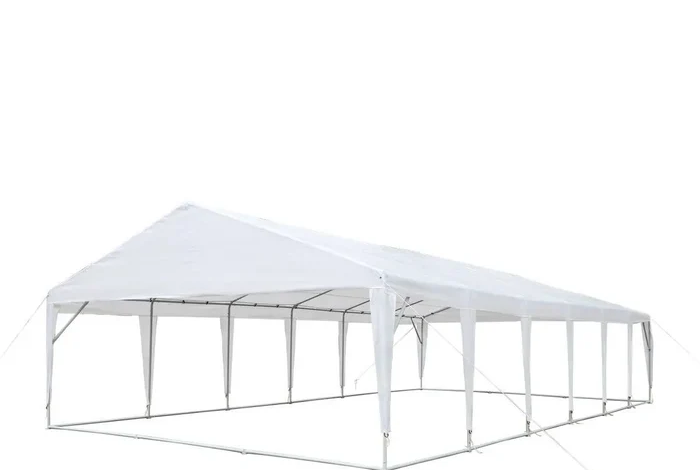
Weddings, birthday parties, farmers markets, and family barbecues often move outdoors across Australia as the weather warms, and a roof of fabric over a steel frame makes that possible. A TMG Industrial heavy-duty party tent gives 72 square metres of cover without walls, but the way it is anchored decides how safe it is when a gusty afternoon arrives, far more than the thickness of its tubes.
Wind Lifts a Tent Before It Pushes It
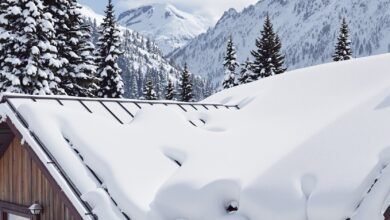
A tent in wind behaves a little like a kite or an aircraft wing. Air moving over the roof speeds up and drops in pressure, while air trapped underneath pushes up, so the main danger is uplift, not sideways shoving. A structure can be strong enough to carry its own weight and still be lifted off the ground.
That is why the anchors do the real work. Each anchor resists the upward pull at one corner or along one side, and the frame only has to hold its shape while they do it. A strong frame with weak anchors is like a sturdy kite with a thin string.
Anchoring Methods Suit Different Ground
An outdoor party tent can be held down in several ways, and the right choice depends on the ground, the size of the structure, and how long it will stay up, so it helps to know the main options before the day arrives:
- Spike anchors: driven into soil, best in firm ground
- Cable anchors: tie each corner to an anchor point
- Ground bars: stabilise the base around the perimeter
- Weights: used on hard surfaces where spikes cannot go
The TMG-PT2040A comes with steel cable anchors for each corner, steel spike anchors, and ground bars around the perimeter. Spikes grip well in firm soil but hold poorly in sand or very soft ground, and on concrete or paving they cannot be used at all, so weights or another method are needed.
An Open Design Changes the Wind Load
This tent has no sidewalls, windows, or doors, which means wind can pass through instead of pressing on a solid wall. That lowers sideways load compared with a fully enclosed marquee tent, and it makes entry and exit possible from every direction, a real advantage for a crowd.
The roof still catches wind from below as it passes through, so the uplift risk remains. Orienting the narrow end toward the prevailing wind can reduce the area the wind meets, and it is worth walking the site before setting up to note trees, slopes, and power lines.
The Cover Protects People as Well as Furniture
The cover is polyethylene at 370 grams per square metre, white, waterproof, and treated against ultraviolet light. White reflects more sunlight than darker colours, which helps keep the space beneath cooler on hot afternoons, and the waterproof fabric keeps a sudden shower off guests and tables.
Fabric still ages in the sun and stretches when wet, so inspect it for tears before each event. Water can pool in a sagging section, and a heavy pool of water adds weight and strain that the frame was not meant to carry, so push it clear promptly.
Capacity Depends on Layout
The tent is rated for 90 to 100 seated guests across its 6 metre by 12 metre footprint, with a sidewall height of 2.0 metres and a peak height of 3.1 metres. That figure assumes seating only, so a buffet table, a dance floor, or a bar will lower the number of people it can hold. A wedding tent laid out with round tables seats fewer guests than the same space with long trestle tables.
Keep exits clear and place cooking equipment well away from the fabric, and keep gas bottles and extension leads away from walkways. Even a waterproof cover can be damaged by heat, and a barbecue near a roof is a risk that no frame specification can remove.
Watching the Weather
Anchoring is only half the answer, because the safest tent is the one that is down when strong wind arrives. Check the forecast before an event, set a clear point at which guests will be moved out, and know how quickly the tent can be taken down. Gusts arrive faster than most people expect.
Frame tubes are 38 millimetres in diameter at 2.0 metre spacing, and the slip-fit connections allow quick assembly. A crew of several people can put it up in a reasonable time, and it is best to practise assembly once before a big event so that nothing is rushed on the day.
Choosing with Wind in Mind
When comparing any outdoor party tent, ask how it is anchored, what the ground will allow, and what happens when the wind rises. As severe summer storms become a concern in many regions, anchoring is likely to matter more than appearance. TMG Industrial supplies this steel frame design for event hosts who want a roomy, open structure that is practical to set up and take down.