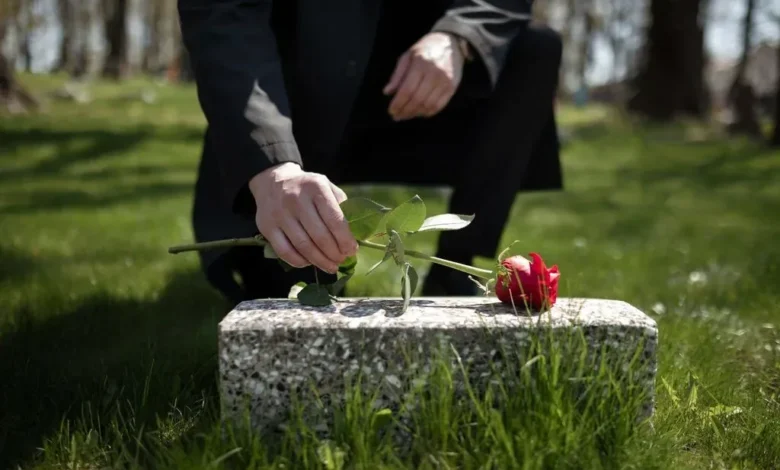
The kitchen table is usually where it starts, more often than any office. A family gathers a few days after a funeral, coffee going cold, a stack of mail nobody has opened, and someone finally asks the question everyone has been avoiding: what actually needs to happen now? There is no single office that calls to walk a grieving family through the next thirty days, no automatic checklist that arrives with the death certificate. Instead there is a scattered set of practical tasks, most of them unfamiliar, several of them time-sensitive in ways nobody explains up front, and almost none of them intuitive to a person going through this for the first time. Grief and paperwork rarely arrive on the same schedule, and the families who fare best in those early weeks tend to be the ones who accept, early on, that a certain amount of the process simply cannot wait for anyone to feel ready.
Finding the Will Nobody Can Locate
The first surprise is often the most basic one: a photocopy of a will, even a perfectly legible one everybody agrees is accurate, generally will not do. Courts want the original document, the one with actual signatures and, in many cases, an attached self-proving affidavit, because a copy raises questions a court has no easy way to answer, including whether a later version might exist somewhere that revokes it. Families sometimes spend days searching a home office, a safe deposit box, or a fireproof lockbox before finding the right envelope, and a will left with a friend, a former lawyer no longer in practice, or a relative in another state can add real delay before anything else can move forward. Even a will stored at home is not always where the family expects, since many people quietly move important documents after a renovation, a downsizing, or simply a habit of reorganizing paperwork that nobody else in the family knew about.
More Certificates Than Anyone Expects to Need
Certified death certificates come next, and nearly every family underestimates how many they will need. Banks want one, life insurance carriers want one, the county wants one, retirement plan administrators want one, and each of those requests tends to arrive separately over the following weeks rather than all at once. Ordering a handful up front, rather than one at a time as each new request surfaces, saves a family from repeated trips back to the same office and the delay of waiting on a reorder in the middle of an already slow process. It is generally far cheaper, in both time and money, to order a few extra copies at the outset than to discover a shortage weeks later when a new request lands unexpectedly and the office that issued the original is no longer nearby or easy to reach.
Where an Estate Actually Opens
Many people assume there is some centralized state authority that formally opens an estate, but in Pennsylvania that responsibility sits at the county level. A guide to opening an estate in Lehigh County walks through exactly what a family needs to bring on the day they appear, from the original will and death certificate to a list of known assets and heirs, and opening an estate in Lehigh County is handled by that county’s own Register of Wills office rather than any statewide agency. Every county runs its own version of this process, with its own hours, its own forms, and its own particular expectations about what paperwork should look like, which is exactly why a family relocating from another county, or another state entirely, tends to find the local specifics unfamiliar.
What Can Wait, and What Can’t
Not everything needs to happen in the first week, and rushing the wrong step can create real problems. Property should be secured quickly, doors locked, valuables accounted for, mail redirected, but distributing any assets to heirs before the estate is properly opened and creditors have had their required window to come forward is a mistake that can leave whoever handled it personally exposed later. Perhaps the most misunderstood detail of all is timing itself: several of the deadlines that matter most, including tax-related ones, run from the date of death, not from whenever the family finally gets around to opening probate. A family that waits two months to begin the paperwork has already used up two months of a clock that started the day their loved one died, whether anyone realized it was running or not. Understanding which tasks are genuinely urgent and which can reasonably wait a few weeks is, in the end, the single most useful piece of judgment a grieving family can bring to the process, more valuable than any checklist alone, since no two estates unfold in quite the same order and the right pace often depends on details a generic list cannot anticipate.