How Are Wooden Pilates Reformers Made? Materials, Construction, and Maintenance

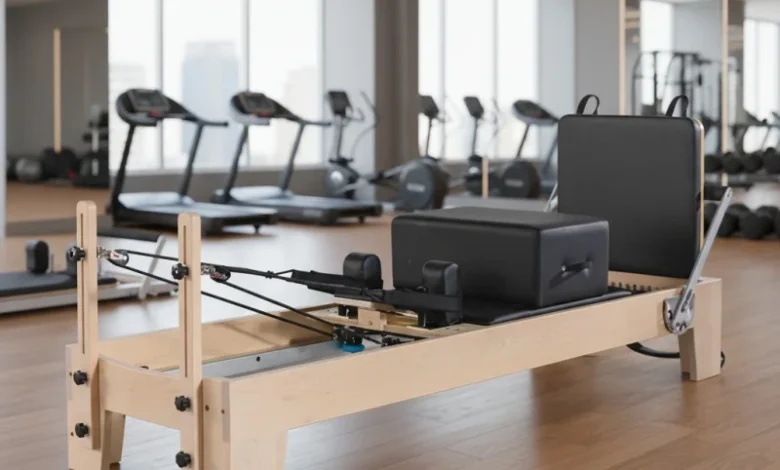
A wooden Pilates reformer is more than an attractive piece of fitness equipment. Its frame, internal structure, moving components, and finishing materials all contribute to how the machine performs during everyday workouts. Whether it is used in a private home studio or a busy Pilates facility, the quality of its construction can influence stability, comfort, durability, and maintenance requirements.
Unlike some metal reformers, a wooden Pilates reformer combines natural wood with mechanical components such as springs, pulleys, tracks, rollers, and an upholstered carriage. Each part needs to work together to provide controlled movement and consistent resistance.
However, not all wooden reformers are manufactured in the same way. Differences in wood species, frame construction, joint design, surface treatment, and component quality can affect the final product.
Understanding how these machines are made can help individual buyers make informed decisions and help studio owners select equipment that suits their teaching environment and long-term operating needs.
In this guide, we will explore the materials, manufacturing process, structural components, maintenance practices, and purchasing considerations behind a quality wooden Pilates reformer.
What Materials Are Used to Make a Wooden Pilates Reformer?
The materials used in a wooden Pilates reformer influence its appearance, structural properties, and long-term performance. While manufacturers may use different combinations, hardwood is a common choice for the main frame.
1. Hardwood for the Main Frame
Several wood species are commonly used in Pilates equipment manufacturing:
Hard maple: Known for its hardness, relatively fine grain, and smooth finish. It is frequently selected for premium Pilates reformer frames.
Oak: Offers a distinctive grain pattern and good structural properties. Its traditional appearance makes it popular in studios that prefer natural wood finishes.
Beech: Has a relatively uniform texture and is used in various types of furniture and exercise equipment.
Birch: Provides a consistent appearance and can be used in selected structural or supporting components.
Some manufacturers also use engineered wood products in particular components. Buyers should distinguish between solid hardwood construction and products that combine solid wood with plywood or other engineered materials.
The best material depends on the intended application, frame design, manufacturing quality, and environmental conditions.
2. Materials for Other Components
A wooden reformer is not made entirely of wood. Its moving and resistance systems require several additional materials.
| Component | Common Materials | Main Function |
| Frame | Maple, oak, beech | Supports the machine structure |
| Carriage | Wood, metal, foam, upholstery | Supports the user’s body |
| Tracks | Stainless steel or other metal alloys | Guides carriage movement |
| Springs | Spring steel | Provides adjustable resistance |
| Rollers | Nylon, polyurethane, or other engineered materials | Supports smooth carriage movement |
| Upholstery | PU leather, vinyl, or other upholstery materials | Provides a comfortable, cleanable surface |
| Pulleys and fittings | Metal alloys and engineered components | Controls rope movement and connections |
The combination of these materials is important. A beautifully finished wooden frame cannot compensate for poorly designed springs, inconsistent carriage movement, or unreliable fittings.
How Is a Wooden Pilates Reformer Constructed?
Manufacturing a wooden Pilates reformer involves several stages. Although production methods vary between factories, a typical process includes material selection, frame preparation, machining, assembly, component installation, and quality inspection.
1. Wood Selection and Preparation
The process begins with selecting suitable wood according to the product design. Manufacturers need to consider wood density, grain direction, moisture content, and visible defects.
Wood is then prepared to achieve appropriate moisture levels before machining. This step matters because changes in moisture content can cause wood to expand, contract, or warp over time.
Properly prepared wood provides a more predictable foundation for frame manufacturing.
2. Cutting and Frame Machining
After preparation, the wood is cut into the required dimensions.
Manufacturers machine the individual frame components, including the side rails, end sections, support structures, and mounting areas. Precise dimensions are important because the carriage tracks, spring attachment points, and other mechanical components must align correctly.
3. Frame Assembly and Surface Finishing
The frame components are joined using suitable woodworking methods, which may include mortise-and-tenon joints, dowels, or reinforced mechanical fasteners.
The selected joint design should provide appropriate structural support while maintaining accurate alignment.
After assembly, the wooden surfaces are sanded and finished. Depending on the manufacturer’s process, this may involve several sanding stages followed by protective coatings such as lacquer, oil, or other wood finishes.
A smooth finish helps protect the surface during everyday use and makes routine cleaning easier.
4. Installation of Mechanical Components
Once the frame is prepared, the manufacturer installs the main functional components:
Carriage and roller system
Metal tracks or guide rails
Resistance springs and attachment points
Ropes, straps, and pulleys
Adjustable footbar and shoulder rests
Headrest and other accessories
Each component needs to be positioned correctly to support smooth operation and consistent movement.
5. Final Assembly and Quality Inspection
The final stage involves checking the assembled machine.
Manufacturers should inspect frame alignment, fastener security, carriage movement, spring connections, rope adjustment, and accessory installation.
A finished wooden Pilates reformer should also be checked for visible surface defects, unusual movement, and mechanical issues before packaging.
What Makes the Frame and Components Important for Performance?
The performance of a wooden Pilates reformer depends on more than the type of wood used. Its structural design and mechanical components are equally important.
Frame Stability
The frame supports the user’s body weight and the forces generated during exercises. Its dimensions, joint quality, material selection, and reinforcement design all contribute to overall stability.
A well-designed classic Pilates wood reformer should feel secure during controlled movements, including footwork, bridging, and exercises involving straps.
Carriage and Track System
The carriage moves along the reformer’s tracks throughout a workout. Its rollers, alignment, and bearing quality influence how smoothly it travels.
If the tracks are misaligned or the rollers are poorly fitted, users may experience uneven movement, unwanted noise, or additional friction.
Springs and Resistance
Springs provide the resistance used in reformer exercises. Different spring tensions allow instructors to adjust the workout according to exercise requirements and individual ability.
The number of springs alone does not determine quality. Spring consistency, attachment security, resistance options, and replacement availability should also be considered.
Comfort and Adjustability
Upholstery, shoulder pads, headrests, footbars, and rope adjustment systems influence how comfortably different users can work with the equipment.
For studios serving clients with different body sizes and fitness experience, adjustability can be particularly important.
How Do You Maintain a Wooden Pilates Reformer?
Regular maintenance helps preserve the appearance and functionality of a wooden reformer. Although wood requires some additional care compared with certain metal surfaces, a straightforward maintenance routine can help keep the equipment in good condition.
1. Clean the Wooden Frame Correctly
Wipe the frame with a soft, dry or slightly damp cloth, depending on the manufacturer’s instructions. Avoid soaking the wood or allowing moisture to collect around joints and fasteners.
Do not use harsh chemicals, abrasive cleaning pads, or cleaning products that may damage the protective finish.
If the manufacturer recommends a specific wood-care product, follow its instructions rather than applying furniture polish or wax without checking compatibility.
2. Clean the Upholstery After Use
The carriage, headrest, and shoulder pads come into direct contact with users.
Clean these surfaces regularly with a suitable upholstery cleaner or manufacturer-approved disinfectant. This is particularly important in studios where multiple clients use the same reformer throughout the day.
Always allow surfaces to dry before the next session.
3. Inspect Springs and Attachment Points
Springs should be checked for visible corrosion, deformation, unusual stretching, or other signs of wear.
Spring clips and attachment points should also be inspected to ensure they remain secure.
Damaged springs should be replaced according to the manufacturer’s recommendations rather than continued in service.
4. Check the Carriage, Tracks, and Ropes
Periodically check the following:
Whether the carriage moves smoothly along the tracks.
Whether rollers show signs of excessive wear.
Whether ropes are frayed or damaged.
Whether pulleys rotate correctly.
Whether screws, bolts, and other fittings remain secure.
If the carriage begins making unusual noises or moving unevenly, investigate the cause before continuing to use the equipment.
5. Keep the Reformer in a Suitable Environment
Wood is affected by environmental changes. Excessive moisture, direct sunlight, and significant temperature fluctuations may affect its condition over time.
Place the reformer in a dry, well-ventilated indoor environment and avoid storing it in damp areas.
For professional facilities, it is useful to establish a written inspection schedule and keep records of maintenance work.
The American College of Sports Medicine (ACSM) emphasizes preventive maintenance programs for fitness facilities and recommends following equipment manufacturers’ maintenance instructions.
What Should Studios Know When Buying Wooden Pilates Reformers in Bulk?
For Pilates studio owners, purchasing multiple wooden reformers is a long-term equipment investment. A lower purchase price may look attractive initially, but the total cost of ownership also depends on maintenance, replacement parts, product consistency, and after-sales support.
Before placing a bulk order, consider the following factors.
1. Check the Wood and Frame Construction
Ask the manufacturer which wood species are used and whether the main frame is made from solid hardwood or a combination of materials.
You should also request information about frame dimensions, joint construction, surface finishing, and structural testing.
If possible, inspect a sample machine before confirming a large order.
2. Evaluate Mechanical Components
The mechanical system deserves as much attention as the wooden frame.
Check the spring configuration, carriage movement, roller materials, pulley design, rope adjustment, and footbar positions.
For studios running several classes each day, components that are easy to inspect and replace can help simplify equipment maintenance.
3. Consider Customization Options
A studio’s equipment should complement its interior design and training requirements.
Depending on the manufacturer’s capabilities, customization may include:
Wood species and frame finishes.
Upholstery colors and materials.
Studio logos and branding.
Accessory configurations.
Packaging and product specifications.
OEM and ODM services can also be useful for distributors, equipment retailers, and Pilates brands developing their own product lines.
4. Confirm Warranty and After-Sales Support
Before ordering, clarify the warranty coverage for the frame, springs, upholstery, and accessories.
Ask whether replacement components are available and how technical issues are handled after delivery.
For overseas buyers, communication speed and access to spare parts are especially important.
5. Review Shipping and Packaging Arrangements
Wooden reformers can be relatively heavy and bulky. Their packaging needs to protect the frame, finish, and mechanical components during international transportation.
Ask the supplier about packaging materials, shipping dimensions, loading arrangements, and the documentation required for your destination.
6. Choose a Manufacturer That Understands Studio Requirements
A professional Pilates equipment manufacturer should be able to explain product specifications, customization options, quality inspection procedures, and after-sales arrangements.
If you are comparing suppliers, consider reviewing their product range and manufacturing capabilities rather than relying only on product photographs.
You can explore the wooden pilates reformer collection from CoreFlow to review wooden reformer options for Pilates studios and professional equipment buyers.
A direct manufacturer relationship can also make it easier to discuss bulk orders, product configurations, and branding requirements.
Conclusion
A quality wooden Pilates reformer is the result of careful material selection, accurate woodworking, reliable mechanical components, and appropriate quality control.
Hardwood choices such as maple, oak, and beech can give reformers their distinctive appearance and structural characteristics. However, the overall performance of the machine also depends on frame construction, carriage alignment, spring quality, and component installation.
Regular cleaning and inspection help maintain the equipment, while suitable environmental conditions can reduce unnecessary wear on the wooden frame.
For individual buyers, understanding these details makes it easier to compare different models. For studio owners and distributors, evaluating manufacturing quality, customization, replacement parts, warranty coverage, and supplier support can help make bulk purchasing decisions more practical.
Ultimately, the right wooden Pilates reformer should match the intended training environment, operational requirements, and long-term equipment plans.
FAQs
Which Type of Wood Is Commonly Used for Pilates Reformers?
Hard maple and oak are two common hardwood choices for wooden Pilates reformers. Beech and birch are also used in some equipment designs. Each species has different characteristics in terms of grain, density, appearance, and machining properties. The actual quality of a reformer also depends on wood preparation, frame dimensions, joint construction, and finishing.
Does a Wooden Pilates Reformer Require Regular Maintenance?
Yes. Regular maintenance is important for both wooden and metal Pilates reformers. For wooden models, this includes cleaning the frame with appropriate products, keeping the equipment away from excessive moisture, inspecting the springs and fittings, and checking carriage movement. Commercial studios should establish a maintenance schedule based on usage frequency and manufacturer recommendations.
Can Wooden Pilates Reformers Be Customized for Pilates Studios?
Yes. Many manufacturers offer customization options for professional Pilates studios and wholesale buyers. Depending on the product and factory capabilities, options may include wood finishes, upholstery colors, logo branding, accessory configurations, and packaging. Buyers should confirm available options, additional costs, and production requirements before placing an order.