Understanding Indoor Air Quality
The quality of the air inside a home or commercial building can influence everyday comfort, cleanliness, and the overall indoor environment. Dust, pollen, pet dander, airborne particles, excess humidity, and household odors can accumulate when ventilation and filtration are insufficient. Because people spend considerable time indoors, maintaining clean and comfortable air is an important part of creating a pleasant living or working space. Professional indoor air quality services help identify potential sources of indoor air problems and recommend practical solutions based on the building’s HVAC equipment, ventilation, humidity levels, and specific needs. These services may include air filtration improvements, ventilation assessments, humidity control, duct inspections, and recommendations for maintaining heating and cooling systems. Rather than relying on temporary solutions that only mask odors or circulate air, homeowners can benefit from a comprehensive approach that considers how air enters, moves through, and leaves the property. Understanding these factors provides a strong foundation for improving indoor comfort and maintaining a cleaner indoor environment.
Identifying Common Air Problems
Recognizing potential air quality problems is an important first step toward improving a building’s indoor environment. Persistent dust accumulation, musty odors, excessive humidity, condensation on windows, and rooms that feel stuffy may indicate that ventilation, filtration, or moisture control needs attention. Professional indoor air quality services can help investigate these symptoms and determine whether they are associated with HVAC performance, building conditions, household activities, or other environmental factors. However, visible dust or an unpleasant smell does not automatically identify a specific contaminant, and some indoor pollutants cannot be detected by sight or smell alone. A proper assessment may involve reviewing ventilation, checking accessible HVAC components, measuring humidity, or recommending appropriate testing when a particular concern exists. Identifying the source of a problem is more effective than treating symptoms without understanding their cause. A targeted assessment helps homeowners prioritize improvements and avoid spending money on equipment that may not address the actual issue.
Improving HVAC Filtration
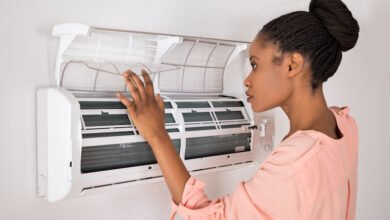
Air filters are an important part of many heating and cooling systems because they capture certain airborne particles before those particles can circulate through the equipment and indoor spaces. When filters become clogged, airflow may decrease, which can affect HVAC performance and increase operating strain. Professional indoor air quality services can help homeowners determine whether their existing filters are suitable for their equipment and household requirements. Filter selection should account for the system manufacturer’s recommendations, the filter’s particle-capturing capability, and the resistance it creates as air passes through it. A filter with a higher efficiency rating is not automatically the best choice for every system, particularly if the equipment is not designed to accommodate the additional airflow resistance. HVAC professionals can recommend compatible filtration options and explain how often filters should be inspected or replaced. Keeping filters clean and properly installed supports efficient airflow while helping capture airborne particles that pass through the HVAC system.
Maintaining Proper Ventilation
Ventilation helps replace stale indoor air with outdoor air and can reduce the buildup of certain indoor pollutants when designed and operated appropriately. Modern buildings may be tightly sealed to improve energy efficiency, but insufficient ventilation can allow moisture, odors, and emissions from everyday activities to accumulate. Professional indoor air quality services can evaluate ventilation conditions and help determine whether a building would benefit from improved airflow, exhaust ventilation, or a mechanical ventilation solution. Kitchens, bathrooms, laundry areas, and other spaces that generate moisture or odors often require appropriate exhaust systems to remove unwanted air. Ventilation recommendations should consider outdoor air quality, building design, energy use, and the needs of occupants. Simply opening windows may not always be suitable, especially when outdoor air contains significant pollution, pollen, or smoke. A carefully planned ventilation strategy helps manage indoor pollutants while maintaining comfortable temperatures and avoiding unnecessary energy waste.
Controlling Indoor Humidity
Humidity has a significant effect on indoor comfort and the condition of building materials. Excess moisture can contribute to condensation, musty smells, and conditions that support mold growth, while air that is excessively dry may cause discomfort for some occupants. Reliable indoor air quality services can help assess humidity levels and identify possible causes of moisture problems, including poor ventilation, plumbing leaks, inadequate exhaust systems, and HVAC drainage issues. Air conditioners and properly configured heat pumps can remove some moisture during cooling, but they may not always provide sufficient humidity control under every operating condition. Depending on the building and the source of the problem, a dehumidifier, ventilation adjustment, or repair to the existing HVAC system may be appropriate. Homeowners should also address water leaks and other sources of excess moisture rather than depending solely on humidity-control equipment. Managing moisture at its source helps protect indoor materials and supports a more comfortable environment.
Understanding Air Purification
Air purification equipment can provide an additional layer of particle removal when selected for the specific indoor air concern. Different technologies work in different ways, so homeowners should understand what a particular product is designed to capture or reduce before making a purchase. Professional indoor air quality services can help evaluate whether portable air cleaners, HVAC-integrated filtration, or other purification options are appropriate for the property. High-efficiency particle filters can capture many airborne particles when correctly sized and maintained, while certain other technologies target different types of contaminants. However, no single device removes every pollutant, and effectiveness depends on factors such as airflow, room size, filter condition, and operating time. Some air-cleaning devices may produce ozone, which can irritate the respiratory system and should be avoided in occupied indoor spaces. A qualified professional can explain the strengths and limitations of available technologies, helping homeowners choose solutions that address their actual concerns rather than relying on unsupported performance claims.
Keeping Ductwork Clean
Ductwork distributes conditioned air throughout buildings equipped with central heating and cooling systems. Over time, dust and debris may accumulate in ducts, although the presence of ordinary dust does not automatically mean that professional duct cleaning is necessary. Effective indoor air quality services should begin with an assessment of the ductwork, accessible HVAC components, filter condition, and any evidence of contamination or restricted airflow. Cleaning may be appropriate when substantial debris is present, ducts are contaminated, or other specific conditions justify the work. In some cases, sealing leaks or repairing damaged ducts may provide greater benefits than cleaning alone because leakage can affect comfort, efficiency, and the movement of dust. Homeowners should ask service providers to explain the reason for recommending duct cleaning and what the proposed procedure includes. A careful, evidence-based approach helps prevent unnecessary expenses and ensures that attention is directed toward problems that can meaningfully affect indoor air circulation.
Reducing Household Pollutants
Many indoor pollutants come from ordinary household activities, building materials, cleaning products, cooking, and the storage or use of certain chemicals. Cooking can release particles and gases, while some cleaning products, paints, furnishings, and adhesives may release volatile organic compounds. Tobacco smoke and combustion appliances can introduce additional pollutants, depending on how they are used and maintained. Professional indoor air quality services can help identify practical strategies for reducing these sources, improving ventilation, and selecting suitable filtration where appropriate. Homeowners can also take simple steps such as using kitchen exhaust fans when cooking, following product labels, storing chemicals securely, and avoiding indoor smoking. Combustion appliances should be installed and maintained correctly, and carbon monoxide alarms should be used as recommended. Because different pollutants require different control methods, identifying the likely source is essential. Reducing emissions at the source is often more effective than depending entirely on air-cleaning equipment to remove pollutants after they enter the indoor environment.
Addressing Mold and Moisture
Mold can develop when moisture remains on building materials or indoor surfaces for an extended period. Leaking pipes, roof leaks, condensation, flooding, and inadequate ventilation can create conditions that support mold growth. Comprehensive indoor air quality services may help identify humidity problems, investigate moisture-related concerns, and recommend appropriate corrective measures. However, air filtration alone cannot resolve an ongoing moisture problem, and visible mold should not be treated as simply an HVAC issue. The source of water intrusion needs to be corrected, and affected materials may require appropriate cleaning or remediation depending on the extent of contamination. Significant mold growth or extensive water damage may require a qualified remediation professional. Homeowners should avoid disturbing large areas of suspected mold because this can spread particles into surrounding spaces. Addressing leaks, improving moisture control, and ensuring that affected materials are handled properly can help reduce the conditions that allow mold to return.
Maintaining HVAC Equipment
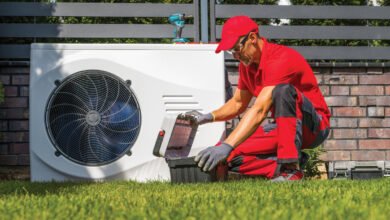
Regular HVAC maintenance supports both equipment performance and the management of indoor air. Dirty coils, clogged filters, blocked drains, and neglected ventilation components can interfere with airflow or contribute to moisture-related problems. Professional indoor air quality services can complement routine heating and cooling maintenance by evaluating relevant components that affect filtration, ventilation, and humidity management. Technicians may inspect accessible equipment, check condensate drainage, assess airflow, and recommend cleaning or repairs when needed. Homeowners should follow manufacturer guidance for filter replacement and avoid blocking supply and return vents with furniture or stored items. Outdoor equipment should also remain clear of obstructions so that air can circulate as intended. While maintenance cannot eliminate every indoor pollutant, it helps ensure that the HVAC system operates under appropriate conditions. Combining equipment care with practical pollution-control measures provides a more complete approach to maintaining indoor comfort and supporting better air management.
Choosing the Right Solutions
Every building has different air quality needs, which means an effective improvement plan should be based on its actual conditions rather than a standard package of products. A home with excessive humidity may need moisture control, while a property affected by cooking particles may benefit from improved exhaust ventilation and suitable filtration. Professional indoor air quality services can help prioritize solutions by considering the building’s layout, existing HVAC equipment, occupant concerns, ventilation conditions, and available budget. Homeowners should ask contractors to explain what each recommendation is intended to address, how its effectiveness will be evaluated, and what maintenance it will require. It is also important to distinguish between measured findings and general recommendations that have not been supported by an assessment. A clear plan can prevent unnecessary purchases and make it easier to compare different options. By focusing on the specific source of the concern, homeowners can invest in improvements that are practical, manageable, and suited to the property’s needs.
Selecting a Qualified Professional
Choosing a qualified contractor is important when assessing ventilation, filtration, humidity control, and other indoor environmental concerns. Homeowners should look for an HVAC professional who can explain the relationship between equipment performance and indoor air conditions without making exaggerated promises. Effective indoor air quality services should include a clear explanation of the concern, the recommended work, expected limitations, and any ongoing maintenance requirements. Depending on the issue, the contractor may need to coordinate with specialists in moisture remediation, building ventilation, or pollutant testing. Before approving a project, homeowners should request a written estimate and clarify which inspections, equipment, materials, and labor are included. It is also useful to verify applicable licensing and insurance requirements and ask about relevant experience. For homeowners seeking heating, cooling, and related HVAC assistance, indoor air quality services is a resource to explore for information about available services. A professional assessment helps homeowners make informed decisions and focus on improvements that address their indoor environment.
Conclusion
Maintaining a cleaner indoor environment requires more than installing an air purifier or replacing a filter occasionally. Effective indoor air quality services consider the sources of pollutants, ventilation, filtration, moisture levels, and the condition of the heating and cooling system. By identifying the cause of an indoor air concern, homeowners can choose appropriate improvements instead of relying on temporary solutions that may not address the problem. Regular HVAC maintenance, suitable filtration, effective exhaust ventilation, moisture control, and sensible household practices can all contribute to a more comfortable indoor environment. Working with a qualified professional also helps ensure that equipment is selected appropriately, installed correctly, and maintained according to its requirements. With a thoughtful approach and consistent care, homeowners can improve indoor air management, protect their property from preventable moisture issues, and create a more pleasant space for everyday living.