Protecting Business Properties with Professional Commercial Roofing Solutions

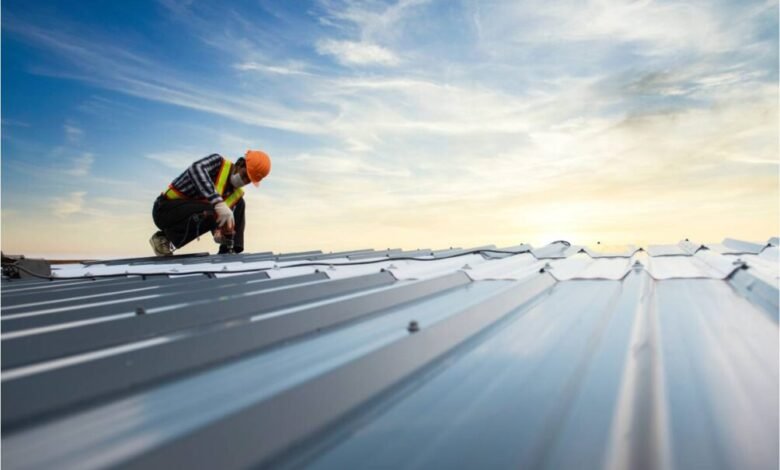
Commercial roofing plays a vital role in protecting business properties, maintaining structural integrity, and creating a safe environment for employees, customers, and daily operations. Unlike residential roofing systems, commercial roofs often cover larger surfaces and must accommodate specialized equipment, drainage systems, ventilation units, and other building components. These roofs experience continuous exposure to sunlight, heavy rainfall, strong winds, temperature fluctuations, and environmental pollutants that can gradually affect their performance. Investing in quality commercial roofing helps property owners protect valuable assets, prevent water intrusion, improve energy efficiency, and reduce unexpected maintenance expenses. A properly designed and professionally maintained roofing system can provide dependable protection for many years while supporting the overall functionality and appearance of a commercial building.
Understanding the Importance of Commercial Roofing
A commercial roofing system is more than an exterior covering because it serves as an important protective barrier between a building’s interior and changing environmental conditions. Warehouses, office buildings, retail facilities, manufacturing properties, and other commercial structures require roofing solutions that can handle different structural demands and operational requirements. A damaged roof can allow moisture to enter the building, potentially affecting inventory, equipment, electrical systems, insulation, and interior finishes. Professional commercial roofing services help prevent these problems by providing appropriate installation, repair, inspection, and maintenance solutions. Selecting a suitable roofing system requires consideration of the building’s size, roof design, drainage requirements, expected foot traffic, and long-term performance goals. When these factors are evaluated carefully, business owners can make informed decisions that support property protection and operational reliability.Another important consideration is the relationship between roof performance and everyday business operations. Water leaks, damaged roofing materials, and recurring maintenance problems can interrupt normal activities, create safety concerns, and lead to unexpected financial losses. For businesses that depend on climate-controlled environments or specialized equipment, roofing problems may also affect temperature regulation and indoor conditions. Reliable commercial roofing helps reduce these risks by maintaining a protective building envelope and supporting the efficient operation of other building systems. Property owners should therefore view roofing as a long-term investment rather than simply an occasional construction expense. Working with experienced roofing professionals makes it easier to identify suitable materials, establish maintenance priorities, and develop solutions that address the specific needs of a commercial property.
Exploring Different Commercial Roofing Systems
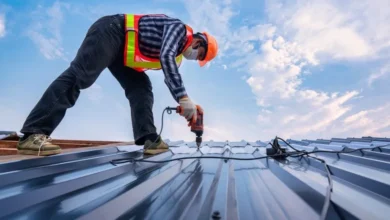
Choosing the appropriate roofing system is one of the most important decisions in any commercial roofing project. Different materials offer different advantages depending on the building’s design, environmental exposure, maintenance requirements, and budget. Single-ply roofing membranes, such as TPO, EPDM, and PVC, are commonly used on commercial properties because they can provide effective waterproofing when properly selected and installed. These systems are generally suitable for many low-slope and flat-roof applications, although their installation requirements and performance characteristics differ. TPO membranes are known for their reflective surfaces, EPDM offers flexibility and weather resistance, and PVC can provide resistance to certain chemicals and environmental conditions. Understanding these differences helps property owners select a roofing solution that matches their building’s requirements instead of choosing a material based exclusively on its initial price.Metal roofing is another option that can provide durability and a distinctive appearance for suitable commercial buildings. Metal panels are available in different profiles, finishes, and materials, allowing property owners to select products that complement the structure while meeting practical performance requirements. These systems can offer resistance to many common environmental challenges and may have a long service life when properly installed and maintained. Built-up roofing and modified bitumen systems are also used in commercial applications, particularly where layered construction and specific waterproofing characteristics are desirable. Each system has unique installation methods, maintenance considerations, and compatibility requirements. Professional commercial roofing contractors can evaluate the property’s structural design and explain which materials are appropriate for its intended use, helping business owners make decisions based on durability, functionality, and long-term value.
Recognizing Common Commercial Roof Problems
Commercial roofs are exposed to continuous environmental stress, which can gradually weaken roofing materials and create conditions that require professional attention. Common problems include membrane punctures, loose seams, cracked flashing, standing water, damaged insulation, and deteriorating roof penetrations. Foot traffic from maintenance workers and equipment servicing can also contribute to surface damage when appropriate protective measures are not used. These problems may initially appear minor, but they can develop into larger issues when water enters the roofing assembly and remains trapped beneath the surface. Professional commercial roofing inspections help identify these concerns before they affect additional building components. Regular evaluations are particularly important for large facilities because damage may occur in areas that are difficult to observe from the ground or access without specialized equipment.Water intrusion is one of the most concerning problems because it can affect both the roof structure and the interior of a commercial property. Ceiling stains, damp insulation, peeling paint, musty odors, and unexplained moisture around interior walls may indicate that the roofing system is no longer providing adequate protection. In warehouses and manufacturing facilities, leaks can threaten stored materials, machinery, electrical equipment, and finished products. Office buildings and retail properties may experience disruption when water affects ceilings, lighting, flooring, or customer-facing spaces. Commercial roofing professionals investigate these symptoms by examining the roof membrane, flashing, drainage components, and other vulnerable areas. Identifying the actual source of a leak is essential because water can travel through different roofing layers before becoming visible inside the building. Proper diagnosis helps ensure that repairs address the underlying problem rather than temporarily covering its symptoms.
The Importance of Professional Roof Installation
Professional installation is essential for achieving reliable performance from any commercial roofing system. Even high-quality materials can develop problems when they are installed incorrectly or when important preparation steps are overlooked. The installation process generally begins with evaluating the existing roof structure, identifying drainage requirements, and determining whether the underlying surface is suitable for the selected materials. Contractors must also consider insulation, vapor control, flashing, roof penetrations, and other components that contribute to the building’s overall weather protection. Quality commercial roofing installation requires careful attention to manufacturer specifications, appropriate fastening or attachment methods, and proper treatment of seams and transitions. These details help create a consistent roofing assembly that can withstand regular environmental exposure and support the building’s long-term performance.Project planning is equally important because commercial roofing work often takes place on occupied properties where business activities must continue. Contractors should establish a practical schedule, communicate with property managers, and identify areas where temporary access restrictions may be necessary. Depending on the building and roofing system, installation may require the removal of existing materials, preparation of the roof deck, installation of insulation, and placement of the new waterproofing surface. Safety procedures must remain a priority throughout the project, particularly when workers are operating at elevated heights or handling heavy materials. A professional contractor should explain the installation process, expected project duration, material specifications, and any conditions that could affect the schedule. Proper planning helps reduce unnecessary disruption while ensuring that the completed roof meets the property’s practical and structural requirements.
Improving Energy Efficiency Through Roofing Upgrades
Energy efficiency is an important consideration for commercial property owners because heating and cooling expenses can represent a substantial portion of building operating costs. Roofing materials influence how much heat a building absorbs, retains, and transfers into its interior spaces. Dark or poorly insulated roofing systems may contribute to increased heat gain, while suitable reflective materials and properly designed insulation can help manage indoor temperatures. Commercial roofing upgrades may include installing reflective membranes, improving insulation levels, correcting air leakage, or evaluating ventilation requirements where appropriate. These improvements should be selected according to the building’s design and energy performance goals. A professional assessment can help identify whether the existing roofing system contributes to unnecessary heat transfer and which upgrades may provide practical benefits.Roof insulation is particularly important because it helps reduce unwanted heat movement between the interior and exterior environments. When insulation becomes wet, compressed, or deteriorated, its thermal performance may decrease, making it more difficult to maintain comfortable indoor conditions. Damaged insulation should be identified and evaluated before new roofing materials are installed because covering moisture-related problems can create further complications. Professional commercial roofing contractors can assess insulation conditions and recommend appropriate replacement or improvement options when necessary. Reflective roofing surfaces may also help reduce solar heat absorption, depending on the building’s location, design, and operating conditions. By combining appropriate insulation with suitable roofing materials and proper installation, commercial property owners can improve building performance and support more consistent indoor comfort.
Maintaining Proper Roof Drainage
Effective drainage is essential for protecting commercial roofs, particularly flat and low-slope systems where water does not flow away as quickly as it does on steeply pitched surfaces. Commercial roofing systems rely on carefully designed slopes, drains, gutters, scuppers, and downspouts to direct rainwater away from the building. When drainage components become blocked or damaged, water may collect on the roof and increase the risk of leaks, material deterioration, and additional structural stress. Standing water can also accelerate the deterioration of certain roofing materials and expose weak seams or flashing connections. Regular drainage inspections help identify these issues before they develop into serious problems. Property managers should ensure that drains remain clear, drainage pathways function correctly, and any signs of persistent ponding receive professional attention.Drainage maintenance should also include examining the areas surrounding rooftop equipment, ventilation units, skylights, and other structural features. These locations may interrupt the natural flow of water and create areas where debris collects or moisture remains trapped. Commercial roofing professionals can evaluate whether drainage components are appropriately positioned and whether existing slopes direct water toward designated outlets. They may also recommend improvements when the original drainage design no longer meets the building’s needs. Maintaining gutters and downspouts is equally important because blocked exterior drainage can cause water to overflow and affect walls, entrances, and foundations. By maintaining the complete drainage system rather than focusing exclusively on the roof surface, property owners can improve water management and reduce the likelihood of moisture-related damage throughout the building.
Repairing and Restoring Damaged Commercial Roofs
Roof damage can develop because of aging materials, severe weather, accidental impacts, poor installation, or a lack of regular maintenance. Depending on the roofing system, repairs may involve sealing damaged seams, replacing membrane sections, correcting flashing, repairing punctures, or addressing deteriorated insulation. Professional commercial roofing repair begins with a detailed inspection to determine the extent of the damage and identify its underlying cause. A small membrane opening may require a localized repair, while widespread deterioration or recurring leaks may indicate that a larger restoration project is necessary. Contractors should explain the available solutions and help property owners understand the expected durability, limitations, and costs associated with each option. Choosing the appropriate repair method helps restore the roof’s protective function while avoiding unnecessary work.Timely restoration can be particularly important for commercial properties because unresolved roofing problems may affect business operations and valuable assets. Even a relatively small leak can damage inventory, interrupt production activities, create slippery surfaces, or affect electrical equipment. Water entering insulation and roof decking may also increase the scope of repairs if the problem remains unresolved. Commercial roofing specialists can prioritize urgent concerns, recommend temporary protection when necessary, and develop a permanent repair plan based on the roof’s condition. Property managers should maintain records of previous repairs and inspection findings because this information helps contractors identify recurring problems and evaluate the effectiveness of earlier work. A proactive repair strategy can reduce unexpected interruptions and help maintain the building’s overall condition.
Preparing Commercial Roofs for Severe Weather
Severe weather can place considerable stress on commercial roofing systems, especially when strong winds, heavy rainfall, hail, or flying debris affect the building. High winds may loosen roofing materials, damage membrane edges, and weaken flashing connections, while hail can puncture or compromise certain roof surfaces. Heavy rain can overwhelm drainage systems and expose vulnerable areas to prolonged moisture. Commercial roofing inspections before and after significant weather events help identify weaknesses and determine whether protective measures or repairs are necessary. Property owners should pay particular attention to roof edges, seams, penetrations, drainage outlets, and rooftop equipment because these areas may be more vulnerable during severe conditions. Addressing existing defects before weather conditions worsen can help reduce the risk of avoidable damage.A practical weather-preparation strategy should include regular inspections, drainage maintenance, secure rooftop equipment, and prompt correction of deteriorating roofing components. Property managers should also establish procedures for responding to leaks and documenting damage after severe weather. If a roof becomes damaged during a storm, employees should avoid accessing unsafe areas and allow qualified professionals to evaluate the situation. Temporary protective measures may be required to limit additional water intrusion until permanent repairs can be completed. Commercial roofing contractors can help property owners understand the condition of the system and recommend improvements that support future weather resistance. Although no roofing material can guarantee protection against every extreme weather event, consistent maintenance and professional preparation can improve the building’s ability to withstand environmental challenges.
Understanding Commercial Roof Maintenance Programs
Preventive maintenance is one of the most effective ways to protect a commercial roofing investment and reduce the likelihood of unexpected repair expenses. Rather than waiting until leaks or visible damage appear, property owners should establish an inspection schedule that reflects the roofing material, building conditions, and environmental exposure. A commercial roofing maintenance program may include checking seams, flashing, drainage components, roof penetrations, surface conditions, and accessible insulation areas. Contractors can also identify debris accumulation, damaged protective coatings, loose equipment supports, and other conditions that could affect roof performance. Documenting these observations creates a useful record of the roof’s condition and helps property managers prioritize maintenance tasks. Consistent inspections make it easier to address developing problems before they require extensive restoration.Maintenance programs should also account for the activities that take place on the roof. Commercial buildings frequently contain heating and cooling equipment, ventilation systems, communication devices, and other installations that require periodic servicing. Repeated foot traffic can damage roofing membranes, particularly when workers do not use designated walkways or protective surfaces. Property managers should communicate roof-access procedures to maintenance teams and ensure that contractors understand the requirements of the existing roofing system. Any accidental punctures, damaged flashing, or disturbed seams should be reported and evaluated promptly. Professional commercial roofing maintenance can help coordinate these responsibilities and ensure that roof-related concerns are addressed systematically. A well-organized program supports long-term durability, improves maintenance planning, and helps businesses manage their properties more effectively.
Selecting the Right Commercial Roofing Contractor
Choosing an experienced contractor is essential because the quality of roofing materials and installation directly influences the performance of the completed system. Property owners should look for professionals who have experience with the specific roofing material, understand commercial building requirements, and follow appropriate safety procedures. Before approving a project, it is important to request a detailed written estimate that explains the proposed work, materials, preparation requirements, labor, and expected timeline. Contractors should also be willing to discuss warranties, maintenance recommendations, and procedures for handling unexpected conditions discovered during the project. Reliable commercial roofing professionals communicate clearly and provide realistic recommendations based on the actual condition of the building rather than encouraging unnecessary upgrades or repairs.Business owners should also review relevant credentials, verify insurance coverage, and request references or examples of previous commercial roofing projects. Comparing multiple proposals can help identify differences in material specifications, installation methods, and overall project scope. However, selecting a contractor based exclusively on the lowest estimate may result in poor workmanship or overlooked preparation requirements. A dependable roofing provider should explain the advantages and limitations of different systems and provide sufficient information for property owners to make informed decisions. Clear communication is especially important for large projects because roofing work may affect employees, customers, tenants, and daily operations. Working with qualified professionals helps businesses establish realistic expectations and achieve a roofing solution that supports long-term property protection.
Conclusion
Commercial roofing is a critical investment that helps protect business properties, valuable equipment, inventory, employees, and everyday operations from environmental exposure. Choosing suitable materials, ensuring professional installation, maintaining effective drainage, and arranging regular inspections are all essential steps toward achieving reliable roof performance. Property owners should also respond promptly to leaks, storm damage, and visible deterioration because unresolved problems can become more expensive and disruptive over time. A carefully planned roofing strategy helps maintain structural integrity, support energy efficiency, and reduce the likelihood of unexpected maintenance expenses.Investing in professional commercial roofing services allows business owners to make informed decisions about installation, repairs, restoration, and preventive maintenance. Experienced contractors can evaluate the building’s requirements, recommend suitable roofing systems, and complete work with attention to material specifications and installation quality. By prioritizing regular inspections and addressing developing concerns early, property managers can protect their roofing investment and maintain a dependable commercial property for years to come.