AC Breakdowns in Summer Heat: How to Triage the Problem and Decide When Immediate Dispatch Is Warranted

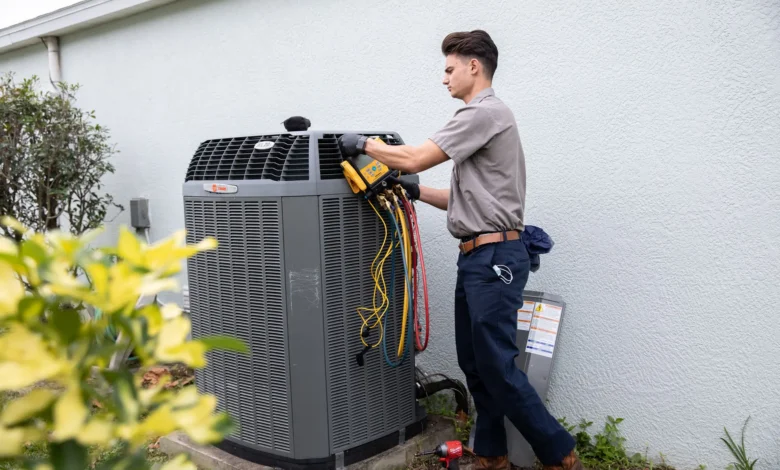
When your air conditioner quits on a hot afternoon, the first few minutes matter. Quick, safe steps can protect the equipment, keep indoor temperatures from climbing too fast, and help an on-call technician solve the problem in a single visit. This article offers a practical triage plan for homeowners: what to do right away, which simple checks provide useful clues, how common symptoms point to specific components, and when an urgent call makes sense versus waiting for a standard appointment. The goal is not DIY repair, but informed action that reduces damage risk and speeds a reliable fix.
- Stabilize the Home and Protect the Equipment
Before you pick up the phone, slow the heat gain. Close blinds on windows facing the sun, switch off appliances that generate heat, and set the thermostat no lower than the upper 70s to prevent continuous strain. If the system blows air but not cold, check for icing: look for frost on the suction line insulation near the air handler or at the evaporator coil access panel. If you see ice, switch the system to Fan only to thaw, then Off after 20 to 30 minutes; running a frozen system can flood the compressor with liquid refrigerant and cause expensive damage. During extreme heat, appointments on the same day go fast; ask whether immediate dispatch is available, but run through these checks first to help the visit succeed.
Handle power safely. If the outdoor unit is silent and the breaker is tripped, you may reset it once. A second trip signals an electrical fault such as a shorted condenser fan motor or failed compressor start capacitor; stop resetting and leave the unit off at the breaker to avoid further damage. Never open control panels or push fan blades by hand. If water is pooling around an indoor unit, a clogged condensate drain may have triggered a float switch that shuts cooling off to prevent overflow. Turn the system off and place towels or a tray to catch drips until the line can be cleared properly.
- Fast Checks That Inform the Technician
Two minutes of observation can shave time off the diagnosis. Replace a visibly clogged return filter to restore airflow. Confirm the thermostat is on Cool and Auto, with fresh batteries if applicable. Walk outdoors: if the condenser fan is spinning but warm air still blows inside, note whether the copper suction line feels cold or the outdoor coil seems unusually hot. If the fan is not spinning and you hear a loud hum, the run capacitor or the fan motor could be failing; do not attempt to start it by hand. Share what you see and hear when you call, and have the system’s model and serial numbers ready.
Document the symptom timeline. Did the AC cycle on and off frequently for a few days before quitting? Was there visible ice on lines, gurgling in the condensate trap, or an error code on the thermostat? Did the breaker trip only when the outdoor unit tried to start? These details point a technician toward likely culprits such as a weak capacitor, a failing contactor, restricted airflow at the evaporator coil, or high head pressure due to a dirty condenser coil. The more precise the description, the more likely the technician arrives with the right parts and an efficient plan.
- What Common Symptoms Point To
A condenser that hums but will not start often indicates a bad start or run capacitor. The capacitor helps motors start and operate properly; when it fails, the motor may overheat and trip a thermal protector. Prolonged humming in this state can damage the compressor or condenser fan motor. A rapid click from the outdoor contactor without startup can suggest low voltage, a control board problem, or safety switches opening.
Ice on the evaporator coil or suction line usually means airflow is restricted or the refrigerant charge is off. A dirty filter, a matted blower wheel, a closed supply register, or a frozen coil all drop suction pressure and cause icing. Thaw the system before any refrigerant measurements, as frost skews pressures and can lead to an incorrect charge. Warm air from the vents while the outdoor unit runs could point to a stuck reversing valve on a heat pump, a failing compressor, or a starved evaporator due to a blocked metering device. An outdoor unit that runs briefly then stops on very hot days may be tripping a high-pressure switch caused by a clogged condenser coil or obstructed airflow around the unit.
- Speed Versus Thoroughness: Deciding on Emergency Service
Sometimes speed is nonnegotiable. If the home includes occupants sensitive to heat, an upstairs nursery that will retain heat overnight, or tenants awaiting relief during a heat event, triaged emergency service is justified. Likewise, active water around an air handler or repeated breaker trips deserves prompt attention to prevent damage. In these scenarios, paying for an urgent call can prevent more costly consequences.
There are trade-offs. Visits outside normal business hours or during peak demand often rely on what is on the truck, which may lead to a temporary repair with a universal part and a later visit for OEM components. Scheduling the next available daytime slot can allow for a more thorough diagnostic routine, complete coil cleaning, and sourcing exact parts. Consider two examples. Example 1: It is 92 degrees and the condenser hums without spinning; postponing risks motor damage and a sleepless night, so an urgent visit makes sense. Example 2: It is a mild evening, the coil is iced, and the home can cool down with cross ventilation; allowing a full thaw and booking the first morning slot positions the technician for accurate readings and a lasting fix.
Coordinating an Efficient Visit and Preventing Repeat Failures
Clear access speeds repairs. Move items away from the air handler closet or attic hatch, make room around the condenser, and secure pets. Share concise notes: filter status, any breaker activity, noises, ice observations, recent maintenance, and thermostat model. A short video of the startup sound can help. If the condensate drain frequently clogs, mention whether a float switch is installed. During the visit, ask for the root cause, not just the failed part, and request readings that confirm system health, such as measured capacitor microfarads versus the rating or whether superheat and subcooling fall within target ranges for the conditions.
After the fix, help the system stay out of trouble. Replace filters on schedule and choose a MERV rating that captures dust without choking airflow. Keep at least a couple of feet of clearance around the condenser and rinse coil fins gently with a garden hose after shutting off power; never use a pressure washer that can crush fins. Pouring a small amount of vinegar into the condensate trap can help deter algae growth, and ensuring the drain has a proper trap and an accessible opening for cleaning makes service easier. Finally, record what was repaired and any part numbers; that log saves time if symptoms return and helps you decide whether a recurring issue points to deeper causes, such as duct restrictions or a failing blower motor.
A sudden AC failure is stressful, but a simple triage plan preserves equipment, sharpens the diagnosis, and guides a sound decision about urgency. Stabilize the space, make safe observations, and share clear details so a technician can move quickly and accurately. Whether you opt for an urgent visit or the first available appointment, these steps improve the odds that one properly prepared service call restores steady, reliable cooling.