How Shippers Actually Achieve Competitive Freight Rates Without False Economies

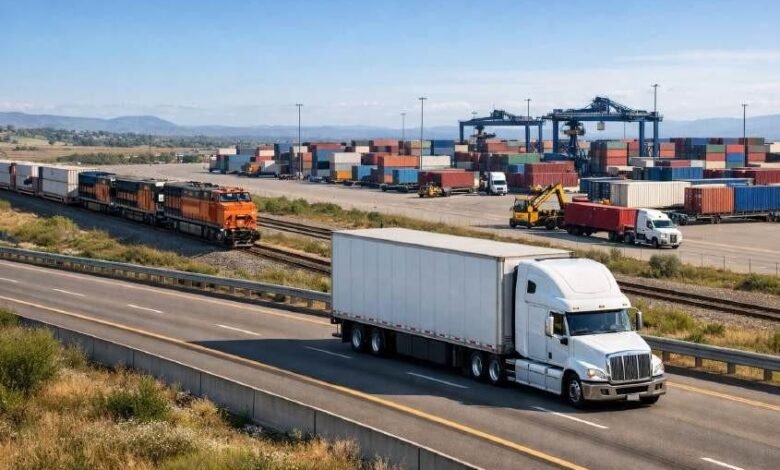
Freight budgets tighten fast when accessorials, reweighs, and service upgrades pile onto the invoice. Yet chasing the lowest quote can backfire if packaging, shipment data, or timing cause fees and delays later. This article focuses on one practical question: how to pay less per shipment without sacrificing reliability. We will examine common, fixable mistakes that inflate less-than-truckload (LTL), partial truckload, and truckload (TL) costs, and show the operational changes that improve quotes and on-time performance. By tightening dimensions and freight class, disclosing site conditions, matching mode to freight profile, and standardizing pallets, shippers can cut avoidable charges. These steps work across lanes and seasons because they address the mechanics of rating, space utilization, and carrier operations, not one specific market.
- Overlooking Freight Class and Density Causes Reclasses and Surprise Fees
Carriers rate many LTL shipments using NMFC freight class, which is driven by density and handling characteristics. Guessing at dimensions or rounding weight can trigger a reweigh or reclass at the terminal, often with an administrative fee and an adjusted linehaul. If a sofa ships under a blanket 6-foot-by-4-foot-by-4-foot estimate but arrives as 6.5 feet long with a bowed overhang, the density changes and the class can jump. Prevent this by measuring every pallet footprint and height, weighing finished loads, and using a density calculator before tendering. Print dimensions and weight on the bill of lading (BOL), attach a photo of the built pallet if possible, and avoid odd overhangs that force the carrier to treat your freight as non-stackable or high-risk for damage.
- Ignoring Accessorials and Site Conditions Bloats the Bill
Accessorials such as liftgate service, residential or limited-access delivery, inside delivery, and appointment fees are not minor details. If a bakery in a strip center needs a liftgate and a 9 a.m. appointment but you book a standard commercial delivery, the driver will either abort, return for a second attempt, or call for authorization, each path adding cost and time. To be quoted for competitive rates on freight shipping, carriers need the facts up front: dock height, forklift availability, yard constraints, business hours, and any driver assist. Accurate disclosures let dispatch assign the right trailer and time-slot on the first try, which keeps linehaul schedules intact and avoids redelivery, storage, and detention charges that erase any savings from an overly optimistic initial quote.
- Shipping by Habit Instead of Matching Mode and Service Level
Mode mismatches are a quiet margin-killer. Six pallets occupying 12 linear feet may cost less as volume LTL or partial truckload than as multiple standard LTL shipments; conversely, 14 short pallets might be cheaper and safer as a single, well-built LTL move if they stack. Intermodal can cut long-haul costs for non-urgent freight, while guaranteed LTL or a time-critical van is the right call for retail compliance or a critical path install. Each choice has trade-offs. Economy service saves money but adds transit days and a potential terminal touch; expedited air-ride costs more but can reduce damage on sensitive electronics. Build a simple decision grid that weighs pallet count, density, stackability, linear feet, delivery deadline, and claims risk. When pickup and delivery windows are flexible by a day, carriers can route your load into better-capacity linehauls, which sometimes yields a lower all-in rate without changing mode.
- Inconsistent Packaging and Palletization Waste Cube and Invite Damage
Carriers sell space. Pallets that overhang, lean, or sag force terminals to isolate or floor-load them, killing cube efficiency and potentially triggering non-stackable or special-handling surcharges. Standardize on 48-by-40-inch pallets where possible, keep heights uniform by SKU family, and specify corner boards, banding, and a full stretch-wrap pattern to the deck. Design packaging so finished pallets are stackable; a clearly labeled, level top surface often lets carriers double-stack in the trailer, improving utilization and your pricing on space-driven quotes. Treat heat-protect or freeze-protect as a planned service, not a last-minute request when temperatures swing. A beverage distributor that tops off pallets to an even 60 inches with protective slip sheets usually sees fewer crush claims and fewer accessorials than one shipping a mix of 42-inch wobblers and 78-inch towers that cannot be safely stacked.
Treating Every Shipment as a One-Off Misses Volume Leverage
Ad hoc tendering hides your true lane profile and keeps you stuck on minimum charges. Consolidate pickups into scheduled pickup days to clear multiple orders in one dispatch, and combine close-dated orders to the same consignee into a single bill of lading to reduce per-shipment minimums. Share a 4- to 8-week forecast for steady lanes; even a rough cadence helps carriers plan drivers and equipment, which can improve pricing. A simple routing guide in your TMS that prefers stackable pallets, targets uniform heights, and flags common accessorials reduces rating variance and invoice disputes. Accurate dock hours, quick turn times, and clear loading instructions cut detention and layover risk. Over a quarter, these operational habits usually outperform aggressive one-time negotiations because they attack the root drivers of cost: variability, idle time, and wasted trailer space.
Competitive freight pricing is less a negotiation tactic than the outcome of reliable information and shipper discipline. Measure and document real pallet dimensions and weight to avoid reweighs and reclasses. Declare site conditions so the right trailer and appointment are planned the first time. Match mode and service level to pallet count, density, stackability, and deadlines instead of repeating last month’s plan. Standardize packaging to protect freight and enable stacking. Finally, use schedules, consolidation, and honest forecasts to give carriers predictable work. Keep auditing invoices for accessorial frequency and reclass trends, and feed those findings back into packaging specs and routing rules. The result is lower spend, fewer surprises, and service that holds up when capacity tightens.