What Is a Willow Wicker Basket?
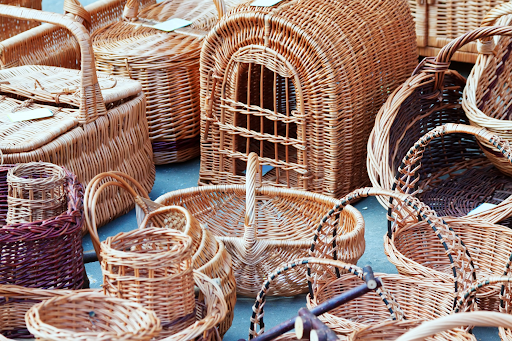
A willow wicker basket is a container hand-woven from willow rods, the flexible young shoots of the willow tree. “Wicker” describes the weaving technique, not the material, so willow, rattan, and bamboo can all be woven into wicker products. Willow is one of the oldest basket materials in the world because it is pliable when soaked, strong once dry, and renewable.
In short: willow is the material, wicker is the method, and a willow wicker basket combines both.
What Counts as a Wicker Product?
A wicker product is any item made by weaving flexible natural fibers. Common examples include:
- Storage baskets and laundry baskets
- Gift hampers and picnic baskets
- Shopping and market baskets
- Trays, planters, and decorative pieces
- Small furniture accents
When buyers search for “wicker product,” they usually want one of two things: practical items for daily use, or decorative pieces for display and gifting. The right choice depends on strength, size, and finish.
How Is a Willow Wicker Basket Made?
Quality willow baskets generally follow this process:
- Harvesting: Willow shoots are cut in winter when the plant is dormant, then sorted by length and thickness.
- Drying or boiling: Rods are air-dried (natural tan or green-gray tone) or boiled to loosen the bark (deeper brown). Peeled willow is called “buff” and looks pale and creamy.
- Soaking: Dried rods are soaked until flexible enough to bend without cracking.
- Weaving: Weavers build a base, set upright stakes, and weave rods around them. The rim and handle are added last.
- Finishing: The basket is trimmed, dried, and inspected for loose ends and uneven spacing.
The final quality depends on the weaver’s skill and the quality of the rods, which is why two baskets that look similar online can feel very different in hand.
Willow vs Other Wicker Materials
| Material | Strength | Flexibility | Look | Best for |
| Willow | High | High when soaked | Natural, rustic, varied tones | Storage, hampers, décor |
| Rattan | High | High | Smooth, uniform | Furniture, lighter baskets |
| Bamboo | Medium to high | Lower | Clean, modern | Trays, light containers |
| Seagrass | Medium | High | Soft, textured | Decorative baskets |
Willow’s main advantage is toughness combined with a warm, handmade look. Its main tradeoff is that it needs reasonable care in very damp or very dry conditions.
What Are Willow Wicker Baskets Used For?
Because they are light, sturdy, and breathable, willow baskets suit many settings:
- Home storage: blankets, towels, toys, magazines, laundry
- Retail and display: gift hampers, produce displays, shop décor
- Gardening: harvesting vegetables, flowers, and herbs
- Events and gifting: wedding and holiday hampers, picnic baskets
- Hospitality: hotel amenity baskets, restaurant bread baskets
Breathability matters especially for food and linens, since air circulates through the weave and reduces trapped moisture.
How to Choose a Good Willow Wicker Basket
Check these points before buying:
- Even weave: Gaps should be consistent, and rods should sit snugly together.
- Sturdy base and rim: These bear the most stress. The rim should be tightly bound with no sharp ends.
- Smooth finish: Run a hand along the inside. Splinters or rough ends are a quality warning sign.
- Handle attachment: Handles should be woven in, not just tacked on.
- Consistent color: Natural variation is normal, but patches of mold or heavy discoloration are not.
- Smell: A mild natural smell is fine. A musty smell suggests rods were stored damp.
Buyer’s Checklist for Wholesale and Bulk Orders
Retailers, gift brands, and hospitality buyers should go further than a visual check:
- Confirm the actual material (pure willow or a blend)
- Ask how rods are dried and stored
- Request samples and approve them before mass production
- Check batch consistency in size, color, and weave
- Confirm packaging that prevents crushing and moisture in transit
From a production standpoint, the most common problems in poorly made baskets are rods dried too fast (causing cracks), uneven rod thickness (causing weak spots), and rushed rim finishing (causing loose ends). A reliable supplier should be able to explain how they control each of these.
How to Care for Wicker Products
Good care can add years to a basket’s life:
- Dust regularly with a soft brush or dry cloth.
- Wipe spills quickly with a lightly damp cloth, then air-dry.
- Keep away from long direct sun and heaters, which can make rods brittle.
- In dry climates, occasional light misting helps prevent cracking.
- Avoid standing baskets in water or leaving them in persistently wet areas.
Where to Find Quality Willow Wicker Baskets and Wicker Products
Whether you are stocking a shop, planning gift hampers, or buying for your home, it helps to compare styles, sizes, and finishes before deciding. Basketgem’s range of willow wicker baskets and wicker products is a useful place to see the available options and shortlist what fits your needs, and then request samples to check quality in person.
Frequently Asked Questions
Is willow the same as wicker?
No. Willow is a plant material. Wicker is a weaving technique that can use willow or other materials.
Are willow baskets durable?
Yes, when well made and cared for. Willow is naturally tough and can last many years in normal indoor use.
Can willow baskets get wet?
Brief moisture is fine if the basket dries properly. Long exposure to water can cause mold or weaken the weave.
Are willow wicker baskets eco-friendly?
Generally yes. Willow regrows quickly after cutting, and baskets are biodegradable at the end of their life.
What is the difference between buff, brown, and green willow?
It comes from processing: peeled (buff), boiled (brown), or air-dried with bark (green-gray).
What should I check before ordering wicker products in bulk?
Material authenticity, weave consistency, sample approval, and packaging quality.
Final Thoughts
A willow wicker basket is a practical, renewable, and long-lasting product when it is woven with care. Focus on weave consistency, strong rims and bases, and honest supplier communication, and your wicker products will look good and last.