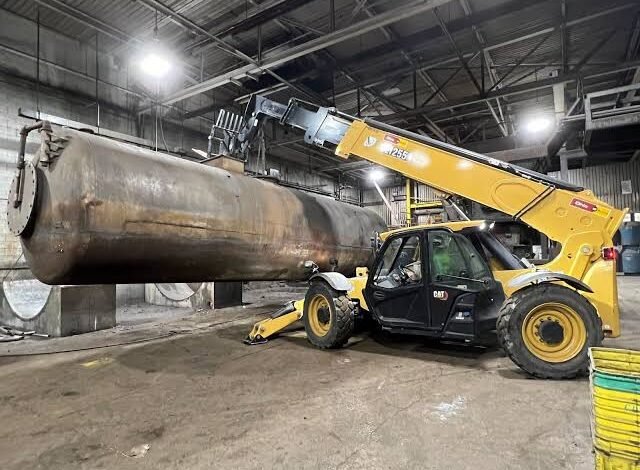
Moving large equipment from one location to another requires considerably more planning than an ordinary freight shipment. Construction machinery, industrial components, agricultural equipment, and specialized structures can exceed standard size or weight limits, creating transportation challenges that need to be addressed before the journey begins.
A successful oversized shipment starts with accurate information, careful preparation, and a transportation plan designed around the specific cargo.
What Makes a Load Oversized?
A load may be considered oversized when its dimensions or weight exceed the standard limits permitted for conventional transportation. The exact requirements can vary depending on the state, route, vehicle configuration, and type of cargo.
Examples of equipment that may require specialized transportation include:
- Excavators and bulldozers
- Cranes and loaders
- Large agricultural machinery
- Industrial generators
- Manufacturing equipment
- Heavy construction components
- Large tanks and vessels
- Structural steel components
Because every shipment is different, transportation requirements should be determined based on the actual dimensions and weight of the load.
Start With Accurate Measurements
One of the most important steps is obtaining precise cargo measurements.
Businesses should determine the equipment’s:
- Length
- Width
- Height
- Weight
- Center of gravity
- Loading configuration
Attachments and accessories should also be considered. An excavator, for example, may have different transportation dimensions depending on whether its boom, bucket, or other components remain attached.
Incorrect measurements can create problems later, particularly when permits, trailer selection, and route clearances are involved.
Selecting the Appropriate Trailer
The trailer used for an oversized shipment should match the cargo’s dimensions and weight.
A standard flatbed may work for certain loads, while taller or heavier equipment may require a step-deck, lowboy, or another specialized configuration.
Trailer selection can affect overall height, ground clearance, weight distribution, and the ability to load and unload the equipment safely.
For this reason, businesses should provide complete shipment information before transportation equipment is assigned.
Route Planning for Oversized Freight
Route planning is one of the most important parts of an oversized equipment move.
A route that appears straightforward on a standard navigation system may not be suitable for a large commercial load. Transportation planners may need to evaluate bridges, tunnels, road widths, construction zones, steep grades, low clearances, and weight restrictions.
Utility infrastructure can also become a consideration when a shipment is particularly tall. In certain situations, additional coordination may be necessary to address overhead obstructions.
Professional oversize load transport services can help businesses plan transportation around these types of logistical requirements.
Understanding Permits
Oversized and overweight shipments may require permits from the relevant transportation authorities.
Permit requirements can vary according to the dimensions and weight of the load, as well as the states and roads involved. A shipment crossing several states may therefore involve multiple permitting requirements.
Businesses should provide accurate information when permits are being arranged. Changes to the load’s dimensions, weight, or route may require additional review.
Starting the permitting process early can also help prevent unnecessary scheduling problems.
Load Securement Is Essential
Large equipment must be secured appropriately for transportation. The securement approach depends on factors such as the equipment’s weight, shape, dimensions, and trailer configuration.
Before departure, the load should be positioned correctly and secured using suitable equipment. A thorough inspection can help identify loose components or other issues before the vehicle enters the road.
During longer journeys, additional inspections may also be appropriate according to applicable requirements and transportation procedures.
Preparing the Pickup Location
The transportation plan should consider more than the road itself. The pickup site must also be capable of accommodating the trailer and loading operation.
Before the scheduled pickup, businesses should evaluate:
- Entrance and exit access
- Available loading space
- Ground conditions
- Overhead clearance
- Loading equipment
- Turning space
- Nearby obstacles
A large trailer may require considerably more room to maneuver than ordinary delivery vehicles.
Preparing the Delivery Site
The destination should receive similar attention.
A shipment can encounter delays if the receiving location does not have enough space for unloading or if the entrance cannot accommodate the transportation equipment.
Communicating with the receiving facility before dispatch allows potential issues to be identified earlier.
For particularly large equipment, businesses may also need to coordinate cranes, forklifts, or other unloading equipment.
Weather and Road Conditions
Weather can affect oversized transportation schedules. Heavy rain, snow, high winds, or other difficult conditions may create additional safety and logistical considerations.
Road construction can also change a planned route after transportation has been scheduled.
Maintaining communication with the transportation provider allows businesses to respond more effectively when unexpected conditions affect the original plan.
How to Reduce Transportation Delays
Several simple steps can make an oversized shipment easier to coordinate.
Provide Complete Information
Give the transportation provider accurate dimensions, weight, pickup details, delivery information, and equipment specifications.
Plan Ahead
Allow sufficient time for route planning, permitting, equipment scheduling, and site preparation.
Confirm Both Locations
Make sure the pickup and delivery sites are accessible to the planned trailer and equipment.
Maintain Communication
Keep relevant employees, site managers, and transportation professionals informed about schedule changes.
Prepare Documentation
Keep equipment specifications, permits, shipping documents, and other relevant information organized and accessible.
Industries That Depend on Oversized Transportation
Oversized transportation plays an important role across several industries.
Construction
Contractors frequently move excavators, cranes, loaders, and other large machines between projects.
Agriculture
Large tractors, combines, harvesters, and specialized farm machinery may require transportation between farms, dealerships, and storage facilities.
Manufacturing
Industrial facilities may need to relocate large machinery during expansions, upgrades, or plant reorganizations.
Energy
Energy-related projects can involve large components and equipment that require carefully planned transportation.
Infrastructure
Road, bridge, utility, and other infrastructure projects may require the movement of specialized machinery and oversized components.
Choosing a Transportation Partner
The right transportation provider should be able to explain how the shipment will be handled from pickup through delivery.
Businesses can ask about experience with comparable loads, trailer options, permitting procedures, route planning, insurance, communication, and delivery expectations.
A detailed quote should also clearly identify the services included and any circumstances that could affect the final cost.
Final Thoughts
Oversized equipment transportation is a coordinated process involving much more than simply placing a large machine on a trailer. Accurate measurements, appropriate equipment, route planning, permits, securement, site preparation, and communication all contribute to a successful shipment.
Businesses that plan these details early can reduce avoidable delays and make the transportation process more predictable.
Whether the shipment involves construction machinery, agricultural equipment, industrial components, or another large load, careful preparation provides a strong foundation for getting valuable equipment where it needs to go safely and efficiently.