Hard water sneaks into daily life quietly. It dulls your dishes, dries out your skin, and shortens the lifespan of appliances you depend on every day. Most homeowners don’t realize how much damage mineral-heavy water causes until they see the evidence: chalky buildup on faucets, soap that won’t lather, or a water heater that’s failing years ahead of schedule.
At Biscayne Water, we’ve spent years helping families reclaim the comfort of clean, soft water in their homes. This isn’t just about convenience. It’s about protecting your plumbing, your appliances, and your daily routine from the slow, corrosive effects of calcium and magnesium buildup.
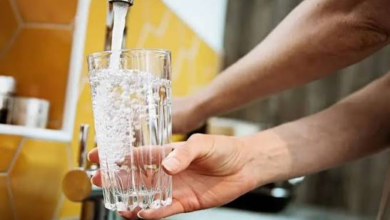
If you’ve ever wondered why your glassware looks cloudy no matter how well you wash it, or why your showerhead keeps clogging, hard water is likely the culprit. The good news? The fix is simpler than most people think.
What Makes Water “Hard” in the First Place?
Hard water contains high concentrations of dissolved minerals, primarily calcium and magnesium. These minerals enter the water supply as it travels through limestone and chalk deposits underground. While they’re not harmful to drink, they wreak havoc on everything they touch.
Here’s what hard water does over time:
- Leaves mineral scale on pipes, faucets, and fixtures
- Reduces the efficiency of water heaters by coating heating elements
- Causes soap and detergent to lose effectiveness, leading to residue on dishes and laundry
- Dries out skin and hair by interfering with soap’s ability to rinse clean
- Shortens the lifespan of appliances like dishwashers and washing machines
The severity varies by region, but many homeowners are surprised to learn their water supply falls into the “hard” or “very hard” category without ever being told.
How Hard Water Quietly Damages Your Home
The effects of hard water rarely show up overnight. Instead, they build gradually, which is exactly why so many people underestimate the problem. Mineral deposits accumulate inside pipes, narrowing the diameter and reducing water pressure over months and years. Water heaters lose efficiency as scale coats their internal components, forcing them to work harder and consume more energy to produce the same amount of hot water.
Even your laundry suffers. Clothes washed in hard water often come out stiff, faded, and less durable because mineral deposits trap fibers and prevent detergent from fully rinsing away. Multiply these small inefficiencies across years of daily use, and the cumulative cost, both in dollars and frustration, adds up fast.
The Case for Installing a Water Softener
A water softening system addresses the root cause rather than just managing the symptoms. Through a process called ion exchange, these systems remove calcium and magnesium ions from your water supply and replace them with sodium or potassium ions. The result is water that lathers easily, leaves no residue, and treats your home’s infrastructure with the gentleness it deserves.
Homeowners who make the switch often notice the difference within days. Skin feels less irritated after showers. Dishes come out of the dishwasher spot-free. Laundry feels softer, and colors stay vibrant longer. These are not marketing claims; they’re the direct, measurable benefits of removing hardness-causing minerals from your water supply.
Beyond comfort, there’s a financial case to be made as well. Appliances that run on softened water experience less scale buildup, which means fewer repairs and longer operational lifespans. Water heaters, in particular, benefit significantly, since scale buildup is one of the leading causes of reduced efficiency and premature failure.
Why Homeowners Choose Biscayne Water
The right water treatment partner matters just as much as choosing to treat your water at all. Water softeners built around your home’s specific needs deliver the best long-term results, and that’s exactly what Biscayne Water focuses on. Rather than offering one-size-fits-all equipment, our team evaluates your water hardness levels, household usage patterns, and plumbing setup before recommending a system.
We understand that every home is different. A family of five with two bathrooms has different water demands than a retired couple in a smaller space. That’s why our approach starts with a real assessment, not a generic sales pitch. Our technicians test your water, walk you through the results, and explain exactly what’s causing the issues you’re experiencing.
Once a system is installed, our commitment doesn’t end there. We provide ongoing support and maintenance guidance to ensure your softener continues performing at its best for years to come. Customers consistently tell us that the difference in their water quality is immediate and lasting, from softer skin and shinier dishes to appliances that simply run better.
If you’ve been dealing with stubborn soap scum, dry skin, or appliances that seem to wear out too quickly, it might be time to have your water tested. A conversation with our team costs nothing, and it could save you thousands in avoided repairs and replacements down the road.
Take the First Step Toward Better Water Today
Hard water is one of those problems that’s easy to ignore until it becomes expensive to fix. The scale buildup in your pipes, the strain on your water heater, and the toll on your skin and laundry all point to the same underlying issue. Addressing it doesn’t require a major renovation or a complicated process. It simply requires the right system, installed by people who understand your home’s unique water needs.
Biscayne Water has helped countless households trade hard, mineral-heavy water for something softer, gentler, and far easier to live with. If you’re ready to see what a difference clean, treated water can make in your home, reach out to our team today for a free water quality assessment. Your appliances, your skin, and your daily routine will thank you.
Frequently Asked Questions
How long does it take to notice a difference after installing a water softener?
Most homeowners notice softer skin and improved lathering within the first few days of use. Appliance benefits, like reduced scale buildup, become more apparent over several weeks and months.
Will a water softener affect my home’s water pressure?
No. A properly sized and installed water softening system should not reduce water pressure. In fact, removing mineral scale from pipes over time can actually improve flow in homes with existing buildup.
Is softened water safe to drink?
Yes. Softened water is safe for drinking, cooking, and all household uses. The sodium added during the ion exchange process is minimal and well within safe dietary limits for most people.
How often does a water softener need maintenance?
Maintenance needs vary by system and usage, but most water softeners require periodic salt refills and occasional professional check-ups to ensure optimal performance.