Why Your AC Falters in Summerlin Heat: Early Signs, Likely Causes, and Safe Checks You Can Do

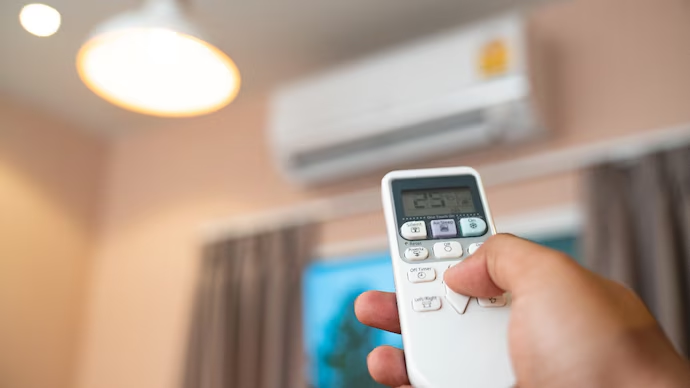
When Summerlin temperatures surge into triple digits, air conditioners run for long periods against low humidity, hot attics, and dusty outdoor conditions. Under this load, small issues can quickly become more serious. A filter that performs adequately in spring may become a major restriction in July, a minor refrigerant leak can contribute to evaporator icing, and a slow condensate drain may trigger a safety float and shut the system down. Recognizing early performance clues and knowing which simple checks you can do safely helps reduce unnecessary strain on compressors, blower motors, and ductwork. This article explains what to watch for, why desert conditions contribute to common symptoms, what homeowners can safely check, and when shutting the system down and calling a qualified technician is the better choice.
- Early Performance Clues During Triple-Digit Days
Watch for changes in how the system cools during the hottest part of the day. Warning signs can include short cycling, warm air despite an active cooling call, visible frost on accessible refrigerant piping, ice around the indoor coil area, water near the air handler, or noticeable differences in airflow between rooms.
Rooms farthest from the air handler may begin feeling warm or stuffy while nearby rooms remain comfortable. The system may also run much longer than usual without bringing the house close to the thermostat setting.
If these symptoms continue after checking the filter and basic airflow pathways, schedule professional diagnostics. Many homeowners start by contacting a Summerlin, Las Vegas Air conditioning repair service so technicians can evaluate refrigerant performance, electrical components, airflow, and system controls before extreme heat makes the problem worse.
Avoid relying on a single temperature reading to diagnose the cause. Several faults can create similar symptoms, so proper measurements matter.
- Likely Causes in Desert Conditions and What They Do to Your System
Dust, landscaping debris, and airborne particles can accumulate on outdoor condenser coils quickly in a dry climate. When the coil becomes heavily restricted, heat transfer declines and the compressor may operate under greater strain.
Indoor airflow problems can create similar performance issues. A heavily clogged filter, undersized return duct, blocked return grille, damaged flex duct, or dirty indoor coil can reduce airflow through the evaporator.
When airflow becomes too low, the evaporator coil may become cold enough for moisture to freeze on its surface. Ice then blocks even more airflow and further reduces cooling performance. When the ice melts, the additional water can also overwhelm a drainage system that is already partially restricted.
Low refrigerant from a leak may also cause poor cooling or coil icing. Refrigerant does not normally disappear through routine operation, so loss of charge generally requires professional leak diagnosis rather than repeated refilling.
Electrical problems can also interrupt cooling. A failed capacitor, fan motor, contactor, control component, or other electrical fault may prevent part of the outdoor system from operating correctly.
Condensate safety controls can shut down equipment when drainage problems create an overflow risk. Never bypass this protective feature just to force the air conditioner to run.
- Safe Checks You Can Do in a Few Minutes
Start with the thermostat. Confirm that it is set to Cool and that the fan is on Auto unless your HVAC professional has recommended another setting.
Check the return filter and replace it if it is visibly dirty or overdue for replacement. Make sure the replacement matches the correct dimensions and suits the system’s airflow capability.
Higher MERV filtration can improve particle capture, but a very restrictive filter can reduce airflow if the return system and filter cabinet were not designed for it. If cooling problems began after changing filter type, mention that change to the technician.
Keep return grilles unobstructed and leave supply registers generally open. Closing several vents to redirect cool air can increase static pressure and create additional airflow problems.
Outside, remove loose vegetation, toys, storage items, and debris from around the condenser while maintaining the manufacturer-recommended clearances.
Avoid removing panels, reaching into the cabinet, or spraying electrical areas. If the outdoor coil has significant buildup, professional cleaning may be safer than attempting to disassemble the unit yourself.
Check around the indoor equipment for unexpected water. If the condensate pan is filling or drainage appears abnormal, turn the cooling system off if there is a risk of overflow and arrange service. Do not bypass a float switch.
If a breaker trips, avoid repeated resets. If it trips again, leave the system off and have a professional evaluate the electrical problem.
- When to Power Down and Call a Technician
Shut the cooling system off if you see substantial ice on refrigerant piping or around the evaporator coil area. Continuing to run a heavily iced system can worsen airflow problems and place additional strain on equipment.
Allow the ice to thaw naturally, following manufacturer guidance. Do not chip, scrape, or pry it away.
Repeated breaker trips, burning odors, smoke, unusual heat near electrical equipment, loud buzzing from a condenser that is not operating normally, or severe mechanical noises should all be treated as reasons to stop using the system and arrange professional service.
Visible oily residue near refrigerant piping may deserve attention, but it should not be treated as definitive proof of a leak without proper testing.
If cooling performance remains poor after correcting an obviously dirty filter or blocked grille, other problems may involve duct leakage, blower operation, refrigerant conditions, electrical components, or equipment capacity.
These issues require proper instruments and training. Leave electrical testing, capacitor work, refrigerant service, and internal equipment repairs to qualified HVAC professionals.
- Small Setting and Design Choices That Improve Performance in Summerlin Homes
Two important trade-offs affect desert cooling. The first is filtration versus airflow. A higher MERV filter can capture smaller particles, but it may also create more resistance. If the system uses a narrow filter slot, a deeper media cabinet or larger filter area may provide better filtration without restricting airflow as much.
The second is indoor temperature versus system runtime. Lower thermostat settings increase cooling demand, particularly during extreme outdoor heat. Ceiling fans can improve perceived comfort by increasing air movement, which may allow some households to use a slightly higher thermostat setting without feeling noticeably warmer.
Outdoor unit placement also matters. Shade may reduce direct solar exposure, but any structure around the condenser must preserve the airflow and service clearances required by the manufacturer. Avoid tight screens, fences, or landscaping that trap hot discharge air around the equipment.
Seal and insulate attic ductwork so cooled air doesn’t gain excessive heat before reaching distant rooms—correct damaged or missing insulation on refrigerant piping using materials intended for HVAC applications.
Consider a two-story Summerlin home where occupants close downstairs registers to force more air upstairs. The increased system resistance may actually reduce total airflow and contribute to coil icing. Restoring normal airflow and correcting the underlying distribution problem is usually more effective than closing multiple vents.
In another case, an outdoor unit may begin humming while the fan does not operate normally during extreme heat. Shutting the equipment down and arranging a professional diagnosis can prevent further strain while technicians identify the electrical or mechanical cause.
Desert Heat Makes Early Warning Signs More Important
Extreme desert temperatures can quickly expose HVAC weaknesses. Reduced airflow, dirty coils, drainage problems, refrigerant faults, and electrical issues that seem minor in mild weather can become much more noticeable once the system runs for long periods.
Homeowners can safely check thermostat settings, filter condition, return and supply openings, visible condensate problems, and obvious debris around the outdoor condenser.
When you see significant icing, repeated breaker trips, unusual electrical symptoms, or mechanical problems, shutting the system down can help protect major components until a technician arrives.
Seasonal professional maintenance can include coil inspection, airflow measurements, electrical testing, condensate evaluation, and refrigerant performance checks according to manufacturer specifications. Combined with basic homeowner observations, these steps can help an air conditioner handle Summerlin’s longest heat waves more reliably and with less unnecessary strain.
<iframe src=”https://www.google.com/maps/embed?pb=!1m18!1m12!1m3!1d3219.675314329304!2d-115.2796664!3d36.1987775!2m3!1f0!2f0!3f0!3m2!1i1024!2i768!4f13.1!3m3!1m2!1s0x80c8c126ec3bd62f%3A0xdf3b8a39fe6250bd!2sSemper%20Fi%20Heating%20and%20Cooling!5e0!3m2!1sen!2sno!4v1771441158535!5m2!1sen!2sno” width=”600″ height=”450″ style=”border:0;” allowfullscreen=”” loading=”lazy” referrerpolicy=”no-referrer-when-downgrade”></iframe>