Home comfort has changed. Bulky ductwork, uneven heating, and sky-high energy bills no longer have to be the norm for homeowners looking to stay cool in summer and warm in winter. A growing number of households across the country are turning to a smarter, more flexible solution that delivers precise temperature control without the hassle of traditional HVAC systems.
That solution has a name familiar to anyone researching modern climate control: the ductless mini-split. Compact, efficient, and surprisingly easy to install, this technology has quietly become one of the most sought-after upgrades for homes of every size and age. Whether you’re renovating an older house without existing ductwork or simply tired of fighting with a thermostat that never seems to get it right, this system offers a refreshing alternative.
This post breaks down what makes ductless mini-splits such a smart investment, how they work, and why so many homeowners are making the switch. By the end, you’ll understand exactly why this technology deserves a serious look for your next home comfort upgrade.
What Makes a Ductless Mini Split Different From Traditional HVAC?
Traditional central air systems rely on a network of ducts to push conditioned air throughout a home. That sounds simple enough, but ducts are notorious for losing energy along the way. Leaks, poor insulation, and inconsistent airflow all chip away at efficiency, leaving some rooms too cold and others uncomfortably warm.
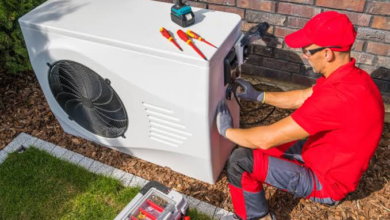
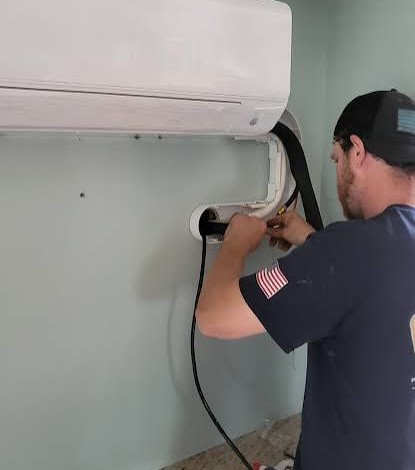
A ductless mini-split skips the ductwork entirely. Instead, it uses an outdoor compressor connected to one or more indoor air-handling units mounted directly in the rooms that need climate control. Each indoor unit operates independently, which means you can cool the living room to a crisp 68 degrees while keeping the bedroom a touch warmer, all without wasting energy conditioning spaces nobody is using.
This zoned approach isn’t just convenient. It directly translates into lower utility bills, since the system only works to heat or cool the areas actually in use. For homes with inconsistent layouts, additions, or rooms that never quite feel right temperature-wise, this kind of targeted control can make a dramatic difference.
How Does Installation Compare to Conventional Systems?
One of the biggest draws of this technology is how little disruption it causes during installation. Traditional ducted systems often require tearing into walls and ceilings to route ductwork, a process that can take days and leave behind plenty of dust and mess. Ductless systems require only a small hole, typically around three inches in diameter, to connect the indoor and outdoor components.
This makes mini splits an especially attractive option for older homes, additions, converted garages, or any space where running traditional ductwork simply isn’t practical. Sunrooms, finished basements, and attic conversions are prime candidates, since these spaces often sit outside the reach of a home’s existing HVAC infrastructure.
Because installation is faster and less invasive, homeowners also tend to see lower labor costs compared to retrofitting a home for central air. That upfront savings, combined with long-term energy efficiency, makes the overall value proposition hard to ignore.
What Energy Savings Can You Expect?
Energy efficiency is where ductless systems really shine. Because there’s no ductwork to lose air through, and each zone can be adjusted independently, homeowners typically see noticeably lower energy consumption compared to traditional forced-air systems. Many modern units also use inverter-driven compressors, which adjust output based on real-time demand rather than cycling on and off at full power. That steady, modulated operation uses less electricity overall and reduces wear on the system.
For households looking to cut down on heating and cooling costs without sacrificing comfort, this efficiency advantage is often the deciding factor. It’s not just about saving money month to month either. Lower energy use also means a smaller environmental footprint, which matters more and more to homeowners thinking about sustainability.
Can One System Really Handle Both Heating and Cooling?
Yes, and this is part of what makes the technology so versatile. Most modern units function as heat pumps, meaning they can both extract heat from indoor air to cool a space in summer and pull warmth from outdoor air to heat a home in winter. This dual functionality eliminates the need for separate heating and cooling systems, simplifying both installation and long-term maintenance.
Even in colder climates, advancements in heat pump technology have made these systems viable year-round options. Homeowners no longer need to maintain a furnace and an air conditioner separately when a single, well-designed system can manage both jobs efficiently.
Who Should Consider Making the Switch?
Not every home needs the same comfort solution, but a few situations make this technology particularly worth considering. Homes without existing ductwork are obvious candidates, since installing traditional ducts after the fact can be expensive and invasive. Additions or converted spaces that fall outside a home’s original HVAC zoning also benefit significantly, as do households dealing with persistent hot and cold spots despite having central air already in place.
Choose a ductless system if minimizing installation disruption and maximizing energy efficiency matter more to you than sticking with a familiar, traditional setup. For homeowners prioritizing long-term savings and room-by-room comfort control, this approach tends to outperform conventional alternatives.
Why Work With Experienced Professionals for Your Installation?
Transform your home’s comfort with a Ductless Mini Split system designed to deliver precise, room-by-room temperature control while cutting your energy costs year-round. Getting the full benefit of this technology, though, depends heavily on proper sizing, placement, and installation. An undersized unit will struggle to keep up during extreme weather, while an oversized one can cycle inefficiently and fail to properly dehumidify a space.
This is where working with a trusted name matters. The Lee Thompson Company has built a reputation for guiding homeowners through every step of the process, from evaluating which rooms would benefit most to recommending the right unit capacity for each space. Instead of guessing at specifications or settling for a generic installation, homeowners working with an experienced team get a system tailored to their home’s actual needs.
Beyond installation, ongoing support matters too. Regular maintenance keeps filters clean, refrigerant levels balanced, and components running efficiently for years to come. A knowledgeable team doesn’t just install the system and walk away. They help homeowners get the most out of their investment long after the installation crew has left.
Making the Comfort Upgrade That Fits Your Home
Switching to a ductless mini split isn’t just a trend. It’s a practical response to the real frustrations homeowners face with outdated, inefficient HVAC systems. From flexible zoning and lower energy bills to minimally invasive installation, the advantages stack up quickly for anyone weighing their options.
If your home has rooms that never feel quite right, or if you’re planning an addition that needs its own climate control, now is a good time to explore whether this technology fits your situation. Reach out to a team with the experience to guide you through sizing, placement, and installation, so you can start enjoying consistent, efficient comfort in every room that matters to you.