
Strengthen Sentence Construction Using P6 English Synthesis and Transformation Books

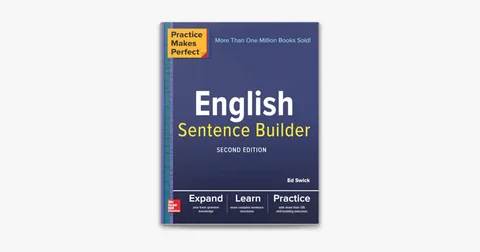
Strong sentence construction is an important part of developing effective English communication skills. For Primary 6 students, learning to combine ideas and change sentence structures accurately can support both schoolwork and examination preparation. P6 English synthesis and transformation books provide structured exercises that allow students to practise grammar, sentence patterns, and meaning-based transformations. With regular practice, learners can become more confident in constructing accurate sentences and applying grammar rules in different contexts.
Understanding Synthesis and Transformation
Synthesis and transformation exercises help students understand how sentences can be combined or restructured while preserving their intended meaning. Synthesis commonly requires learners to join separate sentences using appropriate grammatical structures. Transformation involves changing the form of a sentence without unnecessarily changing its meaning.
These activities require more than memorising grammar rules. Students must understand how clauses, conjunctions, tenses, pronouns, and other sentence components interact. This makes synthesis and transformation useful for developing practical grammar skills.
Students may practise areas such as:
- Combining two or more sentences
- Using conjunctions
- Working with clauses
- Changing sentence structures
- Active and passive constructions
- Direct and indirect speech
- Conditional sentences
- Comparative structures
- Question and statement forms
Why Sentence Construction Matters in Primary 6
Primary 6 students are often expected to communicate ideas clearly and accurately in written English. Good sentence construction can help learners express information logically while avoiding unnecessary repetition or grammatical errors.
At this stage, students are also developing greater control over complex sentence structures. Learning how to connect ideas effectively can support composition writing, grammar exercises, comprehension responses, and other forms of written communication.
Strong sentence construction can help students:
- Express ideas clearly
- Connect related information
- Improve grammatical accuracy
- Use a wider range of sentence structures
- Reduce repetitive writing patterns
- Understand complex sentences
- Develop confidence in English exercises
How Synthesis Exercises Develop Language Skills
Synthesis exercises encourage students to examine the relationship between separate sentences before combining them. Two sentences may express a cause, result, contrast, condition, sequence, or additional piece of information. The learner must identify that relationship and select an appropriate structure.
For example, students may need to determine whether words such as “because,” “although,” “while,” “so,” or “unless” accurately express the connection between ideas. This process encourages learners to think about meaning as well as grammar.
Building Logical Connections
Students learn that sentences should not simply be joined because they can be grammatically connected. The relationship between ideas must also make sense. This develops logical thinking and improves the organisation of written communication.
Reducing Repetition
When students know how to combine ideas, they can avoid writing several short sentences that repeat the same information. Synthesis practice helps them create more efficient sentence structures while preserving important details.
How Transformation Exercises Strengthen Grammar
Transformation exercises require students to modify the structure of an existing sentence. The challenge is to make the required change while preserving the original idea. This encourages careful attention to grammar, tense, word order, and meaning.
For Primary 6 learners, transformation activities can provide valuable practice with common sentence structures. They can also help students become more comfortable recognising how one grammatical form relates to another.
A useful transformation process is:
- Read the original sentence carefully.
- Identify its main grammatical structure.
- Understand the original meaning.
- Determine the required change.
- Rewrite the sentence carefully.
- Check grammar, punctuation, and meaning.
Important Skills Covered in P6 Practice
Well-designed P6 practice resources can cover several language skills rather than focusing on a single grammatical rule. This variety helps students learn how different structures function together within complete sentences.
The best practice is usually progressive, beginning with familiar structures and gradually introducing more complex sentence patterns. This allows learners to develop confidence while still being challenged to improve.
Important areas may include:
- Subject and predicate relationships
- Verb tenses
- Conjunctions
- Prepositions
- Pronouns
- Articles
- Clauses
- Sentence connectors
- Comparative structures
- Active and passive voice
Choosing Suitable Learning Resources
The right learning material should match the student’s current ability and learning objectives. A resource that is too easy may provide insufficient challenge, while one that is too advanced can make practice unnecessarily difficult.
Parents and teachers should examine the range of exercises, explanations, answer keys, and progression of difficulty. Resources that provide examples before independent exercises can be particularly useful because students can first understand the structure and then apply it.
When choosing a resource, consider:
- Primary 6 suitability
- Clarity of explanations
- Variety of exercises
- Progressive difficulty
- Quality of answer explanations
- Grammar topics covered
- Amount of independent practice
- Relevance to school-level learning
Creating an Effective Practice Routine
Regular practice allows students to reinforce sentence structures over time. Instead of completing a large number of questions in one sitting, learners can work through smaller practice sets regularly and review their mistakes.
A good routine should include learning, application, correction, and revision. Students should spend time understanding incorrect answers rather than simply checking the correct option and moving on.
A practical routine can include:
- Reviewing one grammar concept
- Completing a short synthesis exercise
- Practising several transformations
- Checking answers carefully
- Recording common mistakes
- Revisiting difficult questions
- Creating original sentences using the same structures
Common Mistakes to Watch For
Students can make several mistakes when completing synthesis and transformation exercises. One of the most common is changing the original meaning while trying to modify the sentence structure.
Another issue is making unnecessary grammatical changes. When transforming a sentence, students should focus on the required structural change while keeping all relevant information intact.
Common mistakes include:
- Choosing an unsuitable conjunction
- Changing the original meaning
- Using an incorrect tense
- Forgetting subject-verb agreement
- Misplacing pronouns
- Adding unnecessary words
- Omitting important information
- Ignoring punctuation
Teachers can help learners overcome these issues by asking them to explain why a particular answer is correct rather than simply asking them to memorise the pattern.
Combining Different Learning Materials
Synthesis and transformation should be part of a broader English learning programme. Students can strengthen these skills by combining grammar exercises with reading, vocabulary development, writing practice, and comprehension activities.
Resources such as primary school books can provide useful foundational support for younger learners by developing grammar, vocabulary, reading comprehension, and sentence-building abilities. As students progress towards Primary 6, these foundational skills can support more complex sentence construction and examination-oriented practice.
A balanced learning approach can include:
| Learning Resource | Main Focus | Benefit |
| Grammar exercises | Language rules | Improves grammatical accuracy |
| Synthesis practice | Combining ideas | Develops sentence construction |
| Transformation exercises | Sentence restructuring | Builds grammatical flexibility |
| Reading materials | Vocabulary and comprehension | Improves language exposure |
| Writing practice | Independent expression | Develops communication skills |
| Revision exercises | Reinforcement | Strengthens retention |
Using different resources for different purposes can help prevent learning from becoming repetitive while giving students opportunities to apply English in varied situations.
Tracking Progress and Improving Accuracy
Students can make better progress when they actively monitor their performance. Instead of focusing only on marks, they can identify the types of errors they make most frequently.
For instance, one learner may frequently select incorrect conjunctions, while another may struggle with tense changes during transformations. Recognising these patterns allows students to focus their revision more effectively.
A simple error log can include:
- Question attempted
- Incorrect answer
- Correct answer
- Reason for the mistake
- Grammar concept involved
- Correct approach to remember
Reviewing this information regularly can help students recognise recurring patterns and reduce similar errors in future practice.
Making Sentence Practice More Engaging
Grammar practice does not have to rely exclusively on worksheets. Teachers and parents can make sentence-building activities more interactive by connecting exercises to everyday situations, short stories, pictures, and conversations.
Students can be asked to create their own sentences after completing a textbook exercise. They can also transform sentences from a short paragraph or combine ideas from two different statements.
Engaging activities can include:
- Sentence-building games
- Grammar quizzes
- Story-based transformations
- Pair correction activities
- Sentence puzzles
- Error-detection challenges
- Creative rewriting exercises
These activities give students opportunities to apply grammar naturally instead of treating every exercise as a memorisation task.
Preparing for English Assessments
Assessment preparation should involve more than completing practice questions repeatedly. Students need to understand the grammatical concepts behind the questions and become familiar with different ways those concepts may be tested.
Timed practice can help students manage their time, but untimed practice is equally valuable when learning a new structure. Students should first prioritise accuracy and understanding before focusing heavily on speed.
A balanced preparation strategy can involve:
- Learn the relevant grammar concept.
- Study several worked examples.
- Complete untimed practice.
- Analyse mistakes.
- Repeat challenging question types.
- Complete a timed mixed exercise.
- Review the results.
This progression allows learners to build accuracy before gradually developing speed and confidence.
Building Long-Term English Confidence
Confidence develops when students understand how and why a sentence works. Simply memorising answers may help with a particular exercise, but understanding sentence structures allows learners to apply their knowledge to unfamiliar questions.
Students should therefore be encouraged to ask questions about grammar and explore different ways of expressing the same idea. When learners can explain their reasoning, they are more likely to retain the underlying concept.
Long-term improvement can be supported through:
- Consistent grammar practice
- Regular reading
- Vocabulary expansion
- Sentence-building activities
- Independent writing
- Error analysis
- Revision of previously learned structures
Final Takeaway
Strong sentence construction develops through regular exposure to grammar, meaningful practice, and careful correction. P6 English synthesis and transformation books can give Primary 6 learners structured opportunities to practise combining ideas, restructuring sentences, and applying grammar accurately.
The most effective results come from using these resources alongside reading, writing, vocabulary development, comprehension, and regular revision. Students should focus not only on getting an answer correct but also on understanding the grammatical reasoning behind it.
Supporting students with the right study materials can make language practice more purposeful and organised. Language learning books can complement regular learning, and parents or educators can contact us to discover relevant educational materials.
Frequently Asked Questions
1. What do P6 English synthesis and transformation exercises teach?
They teach students how to combine sentences and change sentence structures while maintaining the intended meaning. These activities also reinforce grammar, sentence organisation, and language accuracy.
2. Why are synthesis exercises important for Primary 6 students?
Synthesis exercises help students understand how separate ideas can be connected logically. This can improve sentence construction and support clearer written communication in different English tasks.
3. How can students improve transformation skills?
Students should first understand the original sentence, identify its grammatical structure, and then apply the required change carefully. Reviewing incorrect answers can help reinforce the relevant grammar rule.
4. How often should Primary 6 students practise these exercises?
Short, regular practice sessions can be more manageable than occasional intensive study. Students can adjust the frequency according to their schoolwork, learning needs, and areas requiring improvement.
5. Can reading improve sentence construction?
Yes. Regular reading exposes students to different sentence structures, vocabulary, connectors, and writing styles. This exposure can complement direct grammar and transformation practice.
6. Should students focus on speed when practising synthesis and transformation?
Accuracy and understanding should generally come first when learning a new structure. Once students become comfortable with the concepts, timed practice can help them develop efficiency.


