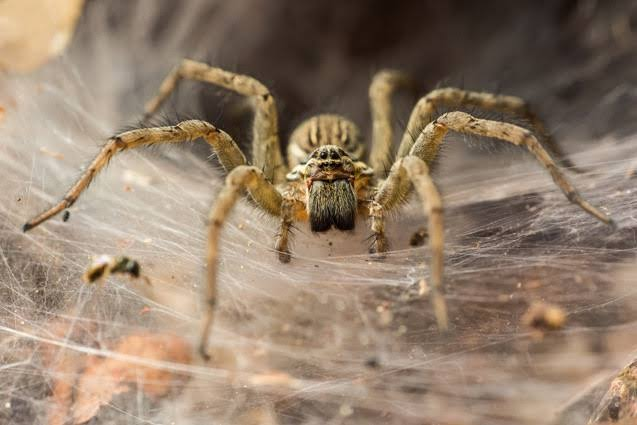
Few things make homeowners jump faster than spotting a spider skitter across the kitchen floor. While most spiders are harmless and even beneficial for controlling other pests, a growing infestation inside your home is a different story altogether. Webs in corners, egg sacs tucked behind furniture, and the occasional venomous visitor can turn your living space into a source of constant anxiety.
The good news? You don’t have to live with eight-legged roommates. Understanding why spiders invade your home, recognizing the signs of infestation, and knowing when to call in professional help can restore your peace of mind and keep your family safe.
This post breaks down everything you need to know about keeping spiders out of your home for good, from prevention tips to professional solutions that actually work.
Why Spiders Keep Showing Up in Your Home
Spiders aren’t picky houseguests. They show up wherever they can find food, shelter, and a place to build their webs undisturbed. Most homes offer all three without even trying.
Basements, attics, garages, and closets provide dark, quiet corners that spiders love. These areas rarely see foot traffic, which means webs can grow for weeks or months without anyone noticing. Add in a steady supply of insects, like flies, moths, or ants, and you’ve created the perfect spider buffet.
Seasonal changes also play a role. As temperatures drop in the fall, spiders look for warmer places to survive the winter. Cracks in your foundation, gaps around windows, or poorly sealed doors become open invitations. Come spring, many species move back outdoors to mate and lay eggs, but some stick around if conditions stay favorable.
Clutter makes matters worse. Cardboard boxes, piles of firewood, and stacks of newspapers create ideal hiding spots. The more hiding places available, the harder it becomes to spot an infestation before it grows out of control.
How to Tell If You Have a Spider Problem
Not every spider sighting means you’re facing an infestation. Seeing one spider occasionally is normal, even in well-maintained homes. However, certain signs suggest the problem has grown beyond a nuisance.
Frequent webs are usually the first giveaway. If you’re clearing cobwebs from the same corners repeatedly, spiders have likely established a consistent presence. Multiple egg sacs are another red flag. A single female spider can produce hundreds of offspring, meaning one unnoticed egg sac can quickly multiply your problem.
Pay attention to other pest activity, too. Spiders feed on insects, so a sudden spider population boom often signals an underlying issue with ants, flies, or other bugs. Addressing only the spiders without tackling their food source rarely solves the problem long-term.
Finally, consider the species. While most household spiders pose little threat, some regions have venomous varieties like black widows or brown recluses. If you’re unsure what you’re dealing with, it’s worth having an expert take a look rather than guessing.
Simple Prevention Steps You Can Take Today
Keeping spiders out starts with making your home less appealing to them in the first place. A few straightforward changes can make a noticeable difference.
Start by sealing entry points. Check windows, doors, and foundation cracks for gaps, and use caulk or weatherstripping to close them off. Spiders are surprisingly good at squeezing through tiny openings, so thoroughness matters here.
Reduce clutter wherever possible. Boxes, old newspapers, and unused items create hiding spots that are hard to monitor. Regularly decluttering storage areas like garages, basements, and attics removes these safe havens.
Address other pests, too. Since spiders follow their food source, controlling flies, ants, and other insects naturally reduces the spider population. Keeping kitchens clean, sealing food containers, and taking out trash regularly all help limit insect activity.
Outdoor maintenance matters as well. Trim back bushes and trees that touch your home’s exterior, since these create natural bridges for spiders to enter. Keep firewood stacked away from your house, and consider using outdoor lighting that’s less attractive to insects, which in turn means fewer spiders.
When DIY Methods Aren’t Enough
Store-bought sprays and homemade remedies can help with minor spider sightings, but they often fall short against established infestations. These products typically target visible spiders without addressing egg sacs, hidden nests, or the underlying insect populations drawing spiders inside.
Over-the-counter treatments also carry risks. Many contain chemicals that require careful handling, especially around children and pets. Without proper application, they can be ineffective or even hazardous.
For venomous species, DIY approaches carry additional concerns. Misidentifying a black widow or brown recluse, or attempting to remove one without proper protection, puts you at unnecessary risk. These situations call for trained professionals who understand spider behavior and know how to handle dangerous species safely.
Trusted Spider Control Services Keep Your Home Spider-Free Year-Round
Spider Control gives homeowners a lasting solution that goes far beyond temporary fixes. Rather than simply spraying visible webs, our trained technicians identify entry points, locate nesting sites, and target the root causes drawing spiders into your home.
Every treatment plan starts with a thorough inspection. Our team examines your home’s interior and exterior, checking basements, attics, crawl spaces, and other common hiding spots. This allows us to pinpoint exactly where spiders are entering and nesting, rather than guessing at a general treatment approach.
From there, we apply targeted treatments designed to eliminate existing spiders while preventing new ones from moving in. Because we also address the insects spiders feed on, our approach tackles the problem at its source instead of offering a short-term band-aid.
Critter Stop also offers ongoing maintenance plans for homeowners who want year-round protection. Regular visits help catch new activity early, before it becomes a full infestation. This proactive approach saves you time, money, and the stress of dealing with recurring spider problems.
Reclaim Your Home from Unwanted Spiders
Spiders might be a natural part of the outdoor ecosystem, but that doesn’t mean they belong inside your home. By understanding what draws them in, watching for warning signs, and taking proactive prevention steps, you can significantly reduce your risk of infestation.
When DIY efforts aren’t cutting it, professional help makes all the difference. Trained technicians bring the expertise, tools, and ongoing support needed to keep spiders out for good, giving you one less thing to worry about.
Ready to take back your space? Contact Critter Stop today to schedule an inspection and discover how our targeted treatment plans can keep your home spider-free all year long.
FAQ
How often should I schedule spider control treatments?
Most homes benefit from quarterly treatments to maintain year-round protection, though homes with severe infestations may need more frequent visits initially.
Are professional spider treatments safe for pets and children?
Yes, when applied correctly by trained technicians, treatments are formulated to target pests while minimizing risk to household members and pets.
Can I prevent spiders without hiring a professional?
Basic prevention steps like sealing entry points and reducing clutter help, but established infestations typically require professional treatment to fully resolve.
What’s the difference between harmless spiders and dangerous ones?
Most household spiders are harmless, but species like black widows and brown recluses are venomous and require careful identification and handling by professionals.