
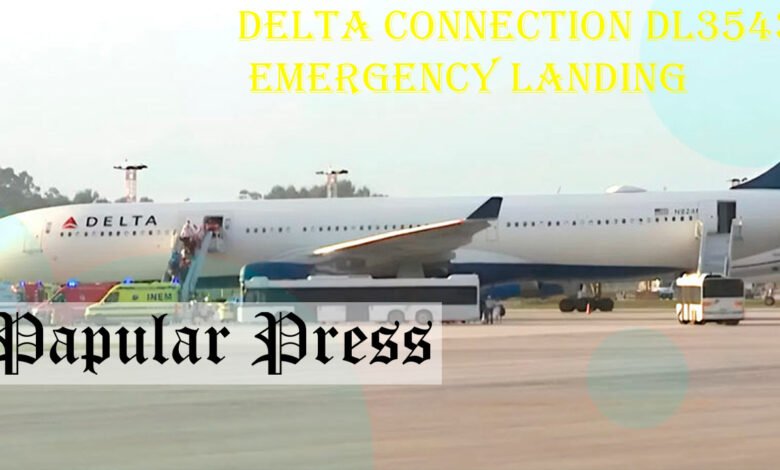
Delta Connection DL3543 Emergency Landing is a search term returning numerous articles describing a dramatic inflight emergency, but a careful check against established aviation incident tracking services and recognized news coverage could not confirm that this specific event actually occurred. This guide walks through exactly what was checked, why the available sources fall short of genuine verification, and what this case teaches about evaluating similar aviation incident claims.
What a Search for This Term Actually Returns
Searching for Delta Connection DL3543 Emergency Landing surfaces a substantial number of articles, but nearly every one identified traces back to a generic content site or a newly created single purpose webpage rather than an aviation specific publication, an established news outlet, or a recognized incident tracking service, a pattern worth noting carefully before treating any of these as a reliable account of a real event.
Why Established Aviation Tracking Sources Show No Record
A specific check against The Aviation Herald, a widely respected and specialist publication that reliably documents genuine commercial aviation incidents including diversions and emergency landings, found no matching record for a Delta Connection flight under this specific number experiencing an emergency landing. as a primary reference for verified aviation incident reporting makes this absence particularly significant, since genuine incidents of this kind are the exact category of event this publication is known for documenting thoroughly and promptly.
Why No Established News Coverage Could Be Found
A genuine emergency landing involving a commercial passenger flight would typically generate coverage from established regional or national news outlets covering the airports and communities involved, given how newsworthy this kind of incident normally is. No coverage of this kind from any recognized outlet could be located for this specific claimed event despite a deliberately thorough search.
Why the Secondary Articles Themselves Raise Concerns
Beyond the absence of primary source confirmation, the articles circulating about this supposed incident show several patterns common to fabricated or speculative content, including newly registered, single purpose domains built seemingly for this one specific topic, generic site names with no clear specialist aviation expertise behind them, and strikingly similar titles and structure across numerous otherwise unrelated looking domains, a pattern consistent with mass produced content rather than independent, original reporting.
Why Flight Numbers Get Reused Across Different Routes and Dates
It is worth understanding that airlines and their regional partners commonly reuse specific flight numbers like DL3543 across different routes and dates over time, meaning even if some flight carrying this number did experience an operational event at some point, confirming the specific claimed combination of this flight number, route, and emergency landing requires genuine primary source confirmation rather than accepting a general claim at face value.
What Responsible Aviation Incident Reporting Looks Like
Genuine aviation incident reporting typically includes verifiable, specific details such as the exact date, the specific aircraft type and operator, confirmation from the airline’s own statement, and corroboration from either a specialist aviation incident tracking service or an established news outlet with a demonstrated track record of accurate reporting. recommends looking specifically for this kind of multi source corroboration before treating any specific incident claim as confirmed fact, a standard the circulating articles about this claimed event do not meet.
Why This Pattern Matters Beyond This One Specific Search Term
This pattern, numerous similarly structured articles describing a specific, dramatic sounding aviation incident with no underlying primary source confirmation, reflects a broader and increasingly common type of content designed to capture search traffic around alarming sounding flight numbers and airline names, rather than genuine journalism reporting on an actual documented event. Recognizing this pattern helps you evaluate other similarly structured search results you may encounter involving different flight numbers.
How to Verify a Genuine Aviation Incident Claim Yourself
If you encounter a specific claim about a flight emergency and want to verify it yourself, checking a specialist aviation incident tracking service for the specific flight number and date, searching for the airline’s own official statements, and looking specifically for coverage from established news outlets covering the relevant airports are all reliable verification steps that go well beyond simply trusting a dramatic sounding headline.
Why Honesty About Verification Gaps Serves Readers Best
Rather than repeating the unverified details found circulating across these secondary articles as though they were confirmed fact, being transparent about this specific verification gap is the most responsible and genuinely useful approach, since presenting unconfirmed claims as established fact would risk spreading inaccurate information about a real airline and its regional partner carriers that readers might otherwise take seriously.
Why Delta Connection Itself Is a Genuinely Real Operating Brand
It is worth being clear that Delta Connection is a genuine, real branding used by several regional airline partners operating flights on behalf of Delta Air Lines, meaning the broader entity named in this claim is entirely legitimate even though the specific incident attached to this particular flight number could not be confirmed through any primary source.
A Quick Recap of the Key Points
To summarize, no specialist aviation incident tracking service or established news outlet could confirm a Delta Connection DL3543 emergency landing, despite numerous articles describing the claimed event, and the newly created, generically structured nature of those circulating articles points toward unverified content rather than a confirmed real world incident, even though Delta Connection itself is a genuinely real regional airline brand.
Why This Guide Took an Honest Approach Rather Than Simply Repeating the Claim
It would have been considerably easier to simply summarize the dramatic details found circulating across these secondary articles without questioning their accuracy, but doing so would have risked spreading an unverified or fabricated claim about a real airline brand as though it were established fact, a tradeoff this guide was not willing to make.
Why Newly Registered Domains Are a Specific Warning Sign Here
A specific detail worth highlighting is that several of the domains hosting articles about this claimed incident appear to be newly created, single purpose pages built around this exact topic rather than established publications with a broader, ongoing editorial history. notes that a cluster of brand new, narrowly focused domains all covering one specific claim is a recognizable pattern associated with content built specifically to capture search interest around a particular topic, rather than genuine ongoing journalism.
What Genuine Delta Air Lines Incident Reporting Looks Like by Comparison
Delta Air Lines and its regional Delta Connection partners do have a documented operational and safety history that can be verified through established aviation and news sources covering any actual incidents the airline has experienced, a meaningful contrast to this specific unverified claim, which lacks exactly the kind of primary source documentation a genuine incident involving the airline would typically generate. provides this kind of verifiable comparison point for readers wanting a fuller, properly sourced picture of the airline’s actual documented history.
A Final Practical Reminder
The next time you encounter a dramatic sounding aviation headline involving an unfamiliar flight number, taking just a few minutes to check it against a specialist aviation tracking service and established news coverage, the same steps walked through in this guide, will give you a considerably more reliable answer than trusting whichever article happens to appear first in your search results.
Why This Kind of Content Tends to Target Recognizable Airline Brands
Content built around fabricated or unverified aviation incident claims tends to specifically target recognizable, genuinely existing airline brands precisely because these real world names carry inherent search interest and borrowed credibility, even when the specific incident attached to them cannot be confirmed through any primary source.
Why Readers Should Remain Open to Updated Information
If credible primary source confirmation of this specific claimed event does emerge from a specialist aviation tracking service or recognized news outlet, that would change the picture described in this guide, and readers encountering updated, properly sourced information are encouraged to weigh that new evidence on its own merits rather than treating this guide’s current conclusion as necessarily permanent.
What This Case Teaches About Evaluating Regional Airline Incident Claims
Regional airline partners operating under larger airline brand names, like Delta Connection’s relationship to Delta Air Lines, can sometimes create additional confusion when evaluating incident claims, since a reader might reasonably wonder whether an incident involved the regional operator specifically or the larger parent brand, making it even more important to trace any specific claim back to a primary source rather than assuming accuracy based on a recognizable brand name alone.
How Regional Airline Branding Structures Typically Work
Major airlines commonly operate a network of regional partner carriers under a shared branding umbrella, flying smaller aircraft on shorter routes while presenting a unified customer facing identity, a structure that is entirely legitimate and common across the airline industry, but one that can occasionally make it less immediately obvious which specific operating carrier was actually involved in a particular claimed incident.
Why Checking Multiple Independent Sources Remains the Gold Standard
No single verification check is ever completely foolproof on its own, which is why checking multiple independent sources, a specialist aviation tracking service, established news coverage, and the airline’s own official statements, together remains the most reliable overall approach for confirming whether a specific aviation incident claim reflects a genuine, documented event.
Why This Guide’s Conclusion May Change if New Evidence Emerges
This guide’s current conclusion reflects the best available evidence at the time of research, and should new, credible primary source documentation of this specific claimed event emerge in the future, that would appropriately update the picture presented here, consistent with how any well reasoned conclusion should remain open to revision based on new, properly verified evidence.
Why Taking the Time to Explain the Verification Process Matters
Rather than simply asserting that this claim could not be confirmed, walking through the specific verification steps taken throughout this guide gives readers a transferable process they can apply themselves the next time they encounter an unfamiliar, dramatic sounding aviation claim circulating online.
How This Case Fits Into a Broader Pattern of Search Driven Content
This specific case fits into a broader, increasingly recognized pattern across the web, where search interest around a specific, narrow combination of terms, in this case a flight number paired with a dramatic incident type, attracts content built primarily to capture that search traffic rather than to report on a genuinely verified event, a pattern worth watching for across many other topics beyond aviation specifically.
Conclusion
A careful check against The Aviation Herald and established news coverage could not confirm that a Delta Connection DL3543 Emergency Landing incident actually occurred as described across numerous circulating secondary articles. The absence of primary source confirmation, combined with the newly created, single purpose nature of many circulating domains, points toward this being unverified or fabricated content rather than a documented real world aviation event.
Frequently Asked Questions
Did Delta Connection DL3543 actually make an emergency landing?
This could not be confirmed. No specialist aviation incident tracking service or established news outlet has any record matching this specific claimed event.
Why do so many articles describe this incident if it cannot be verified?
The pattern of numerous newly created, similarly structured articles describing a dramatic incident with no primary source confirmation is consistent with content built to capture search traffic rather than genuine journalism.
Is Delta Connection a real airline brand?
Yes, Delta Connection is a genuine branding used by several regional airline partners operating flights on behalf of Delta Air Lines, entirely separate from the question of whether this specific incident occurred.
How can I check whether a specific flight incident actually happened?
Check a specialist aviation incident tracking service like The Aviation Herald for the specific flight number and date, and search for coverage from established news outlets covering the relevant airports.
Do airlines reuse the same flight number across different dates and routes?
Yes, flight numbers like DL3543 are commonly reused over time, meaning confirming a specific claimed incident requires matching the exact date and route, not just the flight number alone.