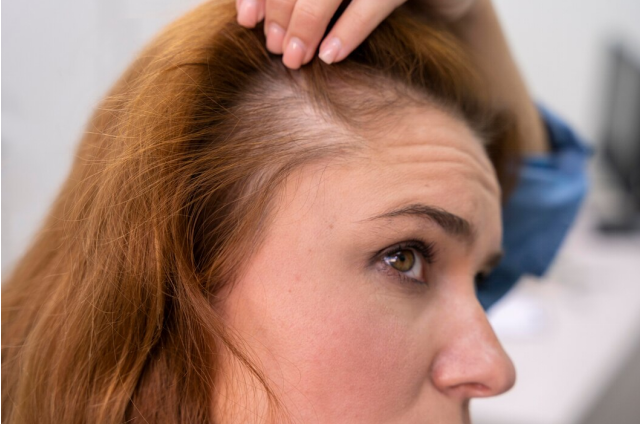
Achieving thicker, healthier hair requires a dual approach that combines professional clinical procedures with structured daily care. Many people seeking advanced solutions look for an exosome hair treatment in Raleigh to kickstart cellular regeneration and target thinning at the root. While these cutting-edge clinical sessions provide the biological signals needed for dormant follicles to resume active production, your home care routine preserves and amplifies those results. Integrating professional scalp treatments with your everyday shampooing, brushing, and styling habits ensures that your investment yields maximum density. Understanding how to align these two worlds is the key to sustainable, long-term hair restoration and overall confidence.
Understanding the Science of Scalp Growth Factors
To successfully merge clinical treatments with daily maintenance, you must first understand how cellular signals affect hair biology. Hair loss often occurs when hair follicles shrink and spend too much time in the resting phase. Professional treatments counteract this stagnation by delivering highly concentrated signaling molecules directly to the scalp tissue. Utilizing growth factor therapy helps reactivate these dormant follicles by stimulating local blood circulation and promoting protein synthesis. These proteins act as messengers, instructing sluggish cells to enter the active growth phase and build stronger keratin structures.
The Role of Cellular Communication
Cellular communication dictates the speed and quality of hair regeneration. When a specialist applies concentrated proteins to your scalp, they trigger a cascade of healing responses. This process increases the supply of oxygen and nutrients to the hair bulb, which thickens the individual hair shafts over time. However, these clinical interventions do not exist in a vacuum. The mechanical and chemical environment of your scalp on a daily basis either supports or hinders this cellular activity. For instance, using harsh sulfates can inflame the scalp, neutralizing the beneficial signaling molecules. Therefore, your daily routine must focus on maintaining a calm, clean, and nourished environment to allow these therapeutic proteins to perform their restorative work without interruption, maximizing your clinical outcomes.
Optimizing Your Cleansing Routine After Treatment
The days immediately following an advanced clinical session require precise care to avoid washing away your progress. If you have recently undergone an exosome hair treatment in Raleigh, your scalp is in an active state of recovery and assimilation. During this critical window, you must alter your cleansing habits to protect the micro-channels created during the procedure. Avoid washing your hair for at least twenty-four to forty-eight hours post-treatment to allow the cellular serum to fully absorb into the dermal papilla.
Choosing the Right Cleanser
Once you resume washing, select a mild, pH-balanced, sulfate-free shampoo. Sulfates strip the natural lipid barrier of the scalp, which leads to dryness and chronic inflammation. Inflammation is the primary enemy of cellular regeneration, as it disrupts the growth cycle and can cause premature shedding. Gently massage the cleanser into your scalp using only your fingertips; never use your fingernails, which can scratch the healing skin and introduce unwanted bacteria. Rinse with lukewarm water rather than hot water, as high temperatures strip essential moisture and irritate sensitive follicles. By keeping the scalp clean without stripping its protective oils, you create the ideal environment for the applied cellular signals to continue working beneath the surface for weeks to come.
Daily Topical Synergies and Ingredient Selection
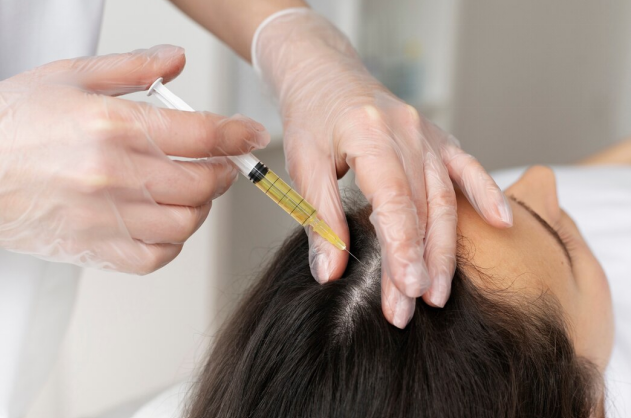
Your daily topical regimen should complement, not conflict with, your clinical sessions. When undergoing professional growth factor therapy, the home-care products you apply can either accelerate your progress or cause unwanted chemical interference. Look for daily leave-in serums that contain copper peptides, biotin, and rosemary oil. These ingredients naturally soothe the scalp and support microcirculation, reinforcing the signals delivered during your clinical visits.
Avoiding Counterproductive Ingredients
Simultaneously, you must identify and eliminate ingredients that clog follicles or cause chemical stress. Silicones, heavy oils, and synthetic fragrances often leave a stubborn residue on the scalp. This buildup forms a physical barrier that prevents topical serums from penetrating the skin. Furthermore, restrict the use of high-alcohol styling products, such as aerosols and strong-hold gels, which dry out the hair shaft and irritate the scalp surface. If you use prescription topicals like minoxidil, consult your specialist about the timing of your applications. Often, you will need to pause these strong topicals for a few days after a clinical session to prevent irritation, resuming them once the scalp barrier has fully healed. This coordinated approach ensures your daily products work in harmony with your professional treatments to yield the best possible density.
Physical Stimulation and Scalp Health Habits
Physical habits play a massive role in how well your scalp absorbs and utilizes therapeutic treatments. Incorporating a daily scalp massage is an excellent, cost-free way to boost the efficacy of an exosome hair treatment in Raleigh. Using light to medium pressure with your fingertips for four minutes daily increases blood flow to the area. This increased circulation delivers oxygen and essential nutrients directly to the active hair follicles, amplifying the cellular signals.
Brushing and Heat Management
The tools you use also impact your overall scalp health. Switch to a soft-bristle brush or a wide-tooth comb to minimize mechanical stress on the hair roots. Pulling too hard on tangles can damage fragile new hairs that are just beginning to grow. Additionally, limit the use of high-heat styling tools like blow dryers, straighteners, and curling irons. Excessive heat degrades the keratin proteins in the hair shaft and dries out the scalp skin, which can trigger overproduction of sebum. When you must use heat, apply a lightweight thermal protectant and keep the tool on the lowest effective setting. Minimizing physical and thermal trauma allows the follicle to focus its resources on growth factor therapy recovery and hair production, rather than constantly repairing surface damage. Consistent care yields real results.
Conclusion

Combining clinical scalp procedures with a mindful daily maintenance routine is the most reliable path to achieving lasting hair density. Advanced treatments initiate the cellular repair process, but your daily habits sustain that momentum over the following weeks and months. By selecting gentle, sulfate-free cleansers, avoiding irritating ingredients, and practicing gentle physical care, you protect your scalp and allow the active treatments to work efficiently. Consistency is the foundation of any successful hair restoration journey. Treat your scalp as a delicate ecosystem, and align your daily protocols with your clinical sessions to enjoy the full benefits of your hair restoration investment and maintain healthy hair for years to come.