
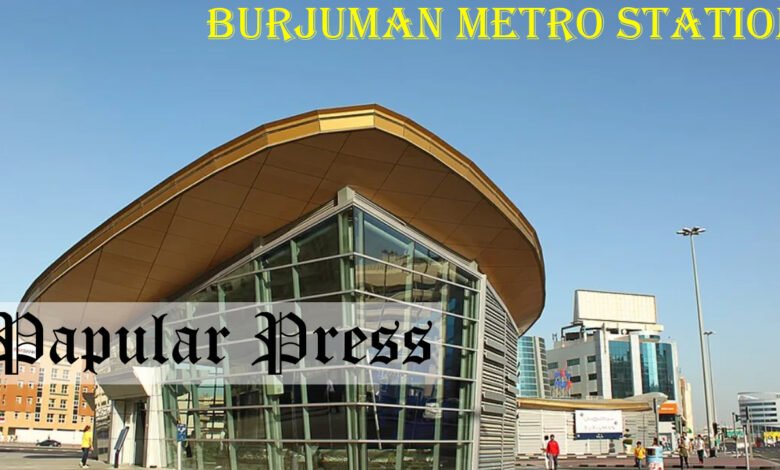
BurJuman Metro Station is one of the most important transit hubs in Dubai, serving as one of only two interchange points between the Red and Green Lines of the Dubai Metro network. This guide covers the station’s history, layout, ridership significance, and practical tips for anyone navigating through it on a daily commute or a visit to the city.
Where BurJuman Station Is Located
BurJuman station sits underground at the intersection of Sheikh Khalifa Bin Zayed Street and Khalid Bin Al Waleed Road in the Bur Dubai district, placing it close to the BurJuman shopping centre after which the station is named, along with a dense surrounding area of hotels, offices, and residential buildings that make the station a consistently busy point on the network throughout the day.
The Station’s History and Name Change
The station originally opened on September 9, 2009, as part of the initial stretch of the Red Line, under the name Khalid Bin Al Waleed. It was later renamed BurJuman in November 2012, after the nearby shopping centre, a change that better reflected how most commuters and visitors already referred to the area in everyday conversation.
Why BurJuman Is Such a Critical Interchange
BurJuman holds particular importance within the Dubai Metro system because it is one of only two stations where passengers can transfer directly between the Red Line and the Green Line, the network’s two main routes. This interchange function makes BurJuman considerably busier than most single line stations, since it serves not only passengers beginning or ending their journey there but also the substantial volume of riders simply passing through to switch lines.
The Station’s Unusual Four Platform Layout
Reflecting its role as a major interchange, BurJuman features an unconventional layout with four side platforms spread across two levels, two platforms per level, a design specifically built to handle the heavier passenger flow and more complex movement patterns that come with serving two separate metro lines at a single station. outlines how this kind of interchange design supports smoother transfers during peak commuting hours compared to a simpler single platform arrangement.
How Busy BurJuman Station Actually Is
BurJuman ranks as the second busiest station across the entire Dubai Metro network, having served more than 15.6 million passengers since it first opened. This ridership figure reflects both its role as a genuine destination station for the surrounding Bur Dubai district and its function as a critical interchange point for passengers traveling across the wider city.
The Station’s Distinctive Design Features
Beyond its practical transit function, BurJuman station includes design elements reflecting Dubai’s maritime heritage, with wall imagery depicting traditional fishing and pearl diving scenes. The station is also known for its distinctive jellyfish shaped chandeliers, designed by Czech artist Jitka Kamencova Skuhrava, giving the station a visual identity that distinguishes it from many of the network’s more utilitarian stops.
What’s Nearby BurJuman Station
The station’s location places it within easy reach of several notable destinations, including the BurJuman shopping centre itself, a range of hotels catering to both business and leisure travelers, and the broader Bur Dubai district known for its mix of traditional souks and modern commercial development. This proximity to both shopping and cultural attractions is part of why the station sees such consistently high foot traffic throughout the week.
Tips for Navigating BurJuman as an Interchange
Given its complex four platform layout, first time visitors transferring between the Red and Green Lines at BurJuman should allow a little extra time compared to a simpler single line station, and should pay close attention to the overhead signage directing passengers to the correct platform level for their specific onward line and direction, since the station’s layout can feel more involved than many of the network’s more straightforward stops.
How BurJuman Fits Into the Wider Dubai Metro Network
As one of the Dubai Metro’s most heavily used interchange stations, BurJuman plays an outsized role in how efficiently the entire network functions, since any delay or congestion at a major transfer point like this one can have ripple effects across journeys well beyond the station itself. has noted how interchange stations like BurJuman have become increasingly important as the city’s metro ridership has grown alongside its population and visitor numbers in recent years.
Why Understanding Interchange Stations Matters for Commuters
For regular commuters who rely on the Dubai Metro, understanding which stations function as interchange points, and planning routes accordingly, can meaningfully reduce overall travel time, since choosing a route that minimizes unnecessary line changes or that times a transfer at a particularly busy station outside peak hours can make a noticeable difference to a daily commute.
How BurJuman Compares to Dubai’s Other Major Stations
Among the Dubai Metro’s full roster of stations, only one other location besides BurJuman offers a Red and Green Line interchange, making these two stations collectively responsible for handling nearly all of the cross line transfer traffic across the entire network. This concentration of interchange activity at just two points is part of why both stations, and BurJuman in particular given its higher overall ridership, see such consistently heavy use throughout the day.
Why Visitors Often Pass Through BurJuman Without Realizing Its Significance
Many tourists and short term visitors to Dubai pass through BurJuman station specifically to reach the nearby shopping centre or to transfer onward to other parts of the city, often without realizing they are passing through one of the network’s two most structurally important station frequently mention BurJuman as a convenient reference point precisely because of its central location and its role as a transfer hub connecting so many other parts of the city within a single, reasonably short journey.
What Makes BurJuman’s Surrounding Area Worth Exploring
Beyond its function as a transit hub, the area immediately surrounding BurJuman station offers a genuinely interesting mix for anyone with time to explore before or after a metro journey, from the modern retail environment of the BurJuman shopping centre itself to the older, more traditional streets of Bur Dubai nearby, giving visitors a chance to experience two quite different sides of the city’s character within a short walking distance of a single metro station.
How the Station Handles Peak Hour Congestion
Given its role as a major interchange, BurJuman experiences particularly heavy congestion during the city’s typical morning and evening peak commuting hours, when both line transfer passengers and station specific arrivals and departures combine to create significantly higher platform and corridor traffic than at most other points on the network. Commuters with flexible schedules often find that traveling slightly outside these peak windows makes for a noticeably smoother experience when passing through this particular station.
How BurJuman Connects to the Rest of Dubai’s Transport Network
Beyond the metro itself, BurJuman station typically connects to surrounding bus routes and taxi ranks, giving passengers a range of onward transport options once they exit the station, a common feature of major interchange stations within well integrated public transport systems. describes how stations like BurJuman are designed specifically to function as a seamless link between the metro network and these other transport modes, supporting door to door journeys well beyond what the metro line alone could provide.
Why Understanding Station History Adds Useful Context
Knowing that BurJuman operated under a different name for its first few years adds useful context for anyone encountering older references to Khalid Bin Al Waleed station in historical maps, older guidebooks, or long time residents’ recollections, helping avoid any confusion between what might otherwise appear to be two entirely separate stations rather than one station that was simply renamed partway through its operational history.
What First Time Riders Should Know Before Their First Transfer
For anyone riding the Dubai Metro for the first time and planning to transfer lines at BurJuman, a few small preparations make the experience considerably smoother, having your fare card or ticket ready before reaching the platform, checking the overhead directional signs rather than simply following the crowd, and building in a few extra minutes of buffer time if the transfer falls during a typical morning or evening rush period when the station is at its busiest.
Why This Station Reflects Dubai’s Broader Transit Growth Story
BurJuman’s growth from a relatively standard single line station into one of the network’s busiest interchange points mirrors the broader growth story of the Dubai Metro itself, a system that has expanded significantly in both ridership and route coverage since its original 2009 opening, reflecting the city’s continued population growth and its position as a major regional hub for business and tourism.
Why a Well Designed Interchange Station Matters to an Entire City
A well designed interchange station like BurJuman does more than simply move passengers from one platform to another, it genuinely shapes how livable and connected a city feels for the people relying on public transport daily, since a poorly designed or overly congested transfer point can discourage metro use entirely in favor of less efficient, more congestion prone private transport options. Dubai’s investment in BurJuman’s four platform design reflects a broader recognition of just how much a single well functioning interchange can influence ridership patterns across an entire city network.
A Quick Recap of the Key Facts
To summarize, BurJuman Metro Station opened in 2009 as Khalid Bin Al Waleed before being renamed in 2012, serves as one of only two Red and Green Line interchange points on the Dubai Metro, ranks as the network’s second busiest station with over 15.6 million passengers served, and features a distinctive four platform layout along with jellyfish shaped chandeliers and maritime heritage wall art.
Why Accessibility Features Matter at a Station This Busy
Given the sheer volume of passengers passing through BurJuman daily, accessibility features such as elevators, tactile guidance paths, and clear accessible signage play a particularly important role here compared to quieter, single line stations, since any accessibility bottleneck at a station this heavily trafficked affects a correspondingly larger number of commuters with mobility needs.
Final Practical Reminder for Anyone Using This Station
Whether you are a daily commuter or a first time visitor, remembering that BurJuman is one of only two cross line transfer points on the entire Dubai Metro network is the single most useful fact to keep in mind, since it explains both why the station feels busier than most others and why planning your journey timing around it can make a genuine difference to your overall travel experience across the city.
Conclusion
BurJuman Metro Station stands as one of the Dubai Metro network’s most important transit hubs, serving as one of only two interchange points between the Red and Green Lines, ranking as the system’s second busiest station, and featuring a distinctive four platform layout alongside design elements celebrating Dubai’s maritime heritage. Anyone navigating the station for the first time should allow a little extra time for the transfer and pay attention to platform level signage given its more complex layout.
Frequently Asked Questions
What lines does BurJuman Metro Station serve?
BurJuman serves both the Red Line and the Green Line, making it one of only two stations on the Dubai Metro network where passengers can transfer directly between these two lines.
When did BurJuman Metro Station open?
It opened on September 9, 2009, originally under the name Khalid Bin Al Waleed, before being renamed BurJuman in November 2012 after the nearby shopping centre.
How busy is BurJuman Metro Station?
It is the second busiest station on the entire Dubai Metro network, having served more than 15.6 million passengers since it opened.
Why does BurJuman have such an unusual platform layout?
Its four side platforms across two levels were specifically designed to handle the heavier passenger flow and more complex transfer patterns that come with serving as a major interchange between two metro lines.
What is BurJuman Metro Station named after?
It is named after the nearby BurJuman shopping centre, having originally opened under the name Khalid Bin Al Waleed before being renamed in 2012.