A Panama City Homeowner’s Framework for AC Repair vs. Replacement in Coastal Conditions

Coastal heat and humidity make central air a necessity across the Florida Panhandle, but salt air and long cooling seasons push equipment hard. When a system struggles, deciding between repair and replacement is rarely obvious. Age matters, but so do refrigerant type, coil corrosion, duct static pressure, and how well the system manages indoor humidity. This practical framework focuses on what actually changes the math in a Gulf Coast climate. By weighing component health, airflow, leak risk, and moisture control, you can choose a path that protects comfort and budget without guesswork.
- Salt Air, Humidity, and What They Do to AC Components
Gulf air attacks metals and electronics. On the outdoor unit, salt accelerates aluminum fin oxidation and can lead to galvanic corrosion between copper tubing and aluminum. As the condenser coil degrades, it rejects less heat, head pressure rises, and the compressor runs hotter and longer. Electrical parts suffer too. Contactors develop pitted faces, capacitors swell or drift out of spec, and corroded spade connectors overheat. These failures often appear as nuisance breakdowns that disguise a larger pattern of wear caused by environmental conditions.
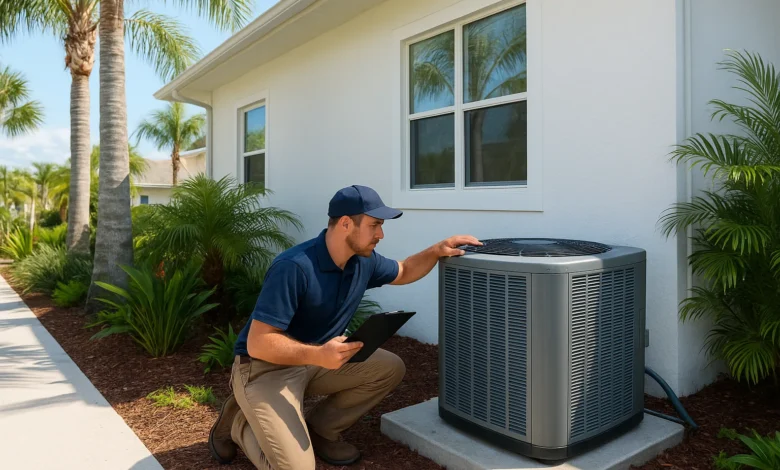
Consider a coastal condenser with crumbling fins and a history of capacitor and contactor swaps. You can keep replacing parts, but restricted heat transfer is still stressing the compressor. Coating a coil can slow further corrosion, yet it cannot reverse lost metal. In borderline cases, a seasoned HVAC contractor in Panama City will weigh proximity to salt spray, present coil condition, and compressor health to estimate remaining life. If the coil is far gone, replacement often prevents a summer failure that forces an emergency decision at the worst time.
- Airflow and Ductwork Can Make or Break the Decision
Even a system with high efficiency underperforms if it cannot breathe. Total external static pressure tells you whether the air handler, return, supply trunks, and filter are working together or fighting the blower. Undersized returns, long flex runs with tight bends, and restrictive MERV 13 filters can push static far above the blower’s rating. The results are familiar in humid homes: noisy vents, a freezing evaporator coil, short cycling, and poor dehumidification. Fixing airflow might be the most valuable “repair” you can make. Sealing leaky attic ducts, adding a return, or selecting a less restrictive filter can restore coil temperature, reduce latent load, and postpone replacement by years. It also allows proper sizing of the next system instead of increasing capacity to mask duct problems.
- Diagnostics That Change the Math
Numbers beat hunches when money is on the line. Superheat and subcooling readings show whether the charge and metering device are doing their jobs. High superheat with low subcooling can signal an undercharge or a starved evaporator, while low superheat with high subcooling can point to an overcharge or restricted metering device. A sticky thermostatic expansion valve (TXV) may mimic low charge symptoms. A megohm test of compressor windings helps predict imminent failure beyond a simple amp draw. For suspected leaks, look for oil staining at flare nuts, Schrader cores, and the evaporator coil, then confirm with an electronic detector. Repeatedly “topping off” refrigerant is not a fix; it masks a leak and risks compressor damage. Refrigerant type matters as well. If the system uses an older or costly refrigerant, limited availability can tilt the decision toward replacement when major repairs are needed.
- Moisture Control, Comfort, and Efficiency Trade-Offs
In Panama City’s climate, comfort is as much about relative humidity as temperature. Variable speed air handlers and compressors with two stages or variable capacity run longer at lower output, keeping the evaporator coil cool and drawing more moisture from the air. Many thermostats include a dehumidify mode that lowers fan speed on a call for cooling to improve latent removal. A dedicated dehumidifier serving the entire home can handle shoulder seasons when sensible load is low, but humidity is high. The trade-off is upfront cost and, sometimes, duct modifications to maintain proper static pressure. While SEER2 ratings matter for operating cost, humidity control strategy and duct compatibility often determine whether a new system actually feels better indoors.
Installation Details That Protect Your Investment
Quality installation and commissioning are the difference between published performance and results in actual operating conditions. When replacing equipment, assess the refrigerant line set. Replacing it is ideal; if reuse is necessary, flush properly and braze with a nitrogen purge to prevent internal oxidation. Pull a deep vacuum and verify it with a decay test. Install a new liquid line filter drier, weigh in the initial charge, and adjust it using subcooling and superheat. Verify temperature split and document total external static pressure to confirm the duct system supports the blower. Outdoors, set the condenser on a level pad with good drainage, use fasteners that resist corrosion, and maintain clearances for airflow. Indoors, trap and slope the condensate drain correctly and include a float switch for overflow protection. These details directly influence reliability and moisture control.
A thoughtful decision about repair versus replacement looks past age and brand to the realities of coastal operation. Start with the environment’s impact on coils and electronics, then test what you cannot see: airflow, charge, metering, and compressor health. Consider refrigerant availability, your home’s humidity priorities, and any duct changes required to make new equipment shine. Finally, insist on commissioning steps that prove the system and ductwork are matched. Whether you keep an existing unit running or opt for a modern variable-speed system, decisions grounded in measurements and local conditions will deliver steadier comfort through the Panhandle’s longest months.