Healthy trees start below the surface, yet most homeowners never think about what’s happening underground until a tree starts declining. Soil compaction, girdling roots, and buried root flares are silent threats that slow growth and shorten a tree’s lifespan. At Arborwright Tree Care, we use a technique called air spading to diagnose and treat these hidden problems without harming the delicate root systems that keep your trees alive.
If you’ve noticed a tree that seems to be struggling despite regular watering and care, the issue might not be visible from above ground at all. Root-related problems are among the most commonly overlooked causes of tree decline, and traditional digging methods often make things worse by severing roots in the process. That’s where air spading changes the game for homeowners and property managers alike.
This post explains what air spading is, why it matters for tree health, and how Arborwright Tree Care uses this technology to deliver long-term results for your landscape.
What Is Air Spading and How Does It Work?
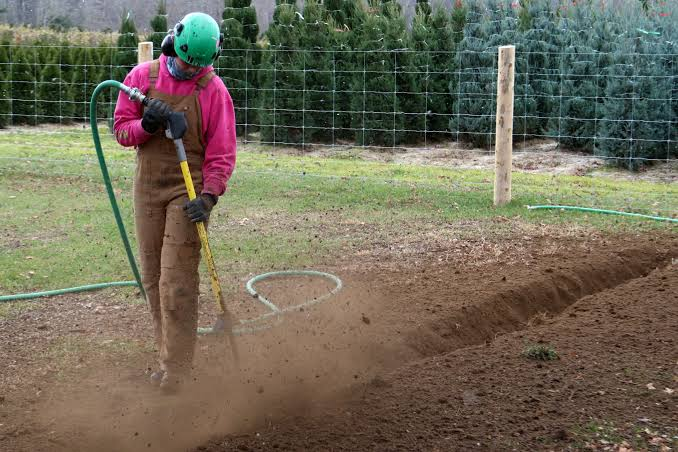
Air spading is a root-care technique that uses high-velocity compressed air to break up and remove soil from around a tree’s root system without damaging the roots themselves. Instead of a shovel or excavator, arborists use a specialized tool that blasts air at speeds strong enough to loosen soil while leaving roots, utility lines, and underground structures completely intact.
This matters because traditional excavation methods are inherently risky near root zones. A single cut from a shovel or trencher can sever a major root, destabilizing the tree and opening it up to disease or pest infestation. Air spading eliminates that risk entirely, making it possible to safely inspect, treat, and correct problems that would otherwise go unnoticed until it’s too late.
Common Tree Problems That Air Spading Can Solve
Soil Compaction
Compacted soil is one of the most common issues affecting urban and suburban trees. Foot traffic, construction equipment, and even heavy lawn mowers can compress the soil around a tree’s root zone, squeezing out the air pockets roots need to absorb oxygen and water. Over time, this suffocates the root system and leads to stunted growth, yellowing leaves, and reduced resistance to stress.
By loosening compacted soil without disturbing the roots, air spading allows oxygen and moisture to reach the root zone again. In many cases, this simple intervention can reverse early signs of decline and restore a tree’s vigor within a single growing season.
Girdling Roots
Girdling roots occur when a root grows in a circular pattern around the base of the trunk instead of extending outward. Left unaddressed, these roots can choke off a tree’s vascular system, cutting off the flow of nutrients and water. This condition is often invisible until the tree shows serious signs of stress, including canopy thinning or trunk flattening.
Air spading makes it possible to expose these roots safely so they can be identified and corrected before they cause irreversible damage. Catching girdling roots early is one of the most effective ways to extend a tree’s healthy lifespan.
Buried Root Flares
The root flare, where the trunk widens and transitions into the root system, should always be visible above the soil line. When trees are planted too deep or soil and mulch accumulate over time, the flare becomes buried, trapping moisture against the bark and creating ideal conditions for rot and fungal disease.
Air spading gently removes the excess soil to re-expose the root flare, allowing the tree to breathe and reducing the risk of trunk decay. This is one of the most frequent issues our team encounters, and it’s also one of the easiest to fix with the right equipment.
Why Choose Professional Air Spading Over DIY Methods
Air spading requires specialized equipment and training to use safely and effectively. The air compressors used in professional-grade tools generate enough force to move soil quickly, but handling that equipment without experience can lead to incomplete results or accidental damage to nearby landscaping, irrigation lines, or utility infrastructure.
Professional arborists also know how to interpret what they find once the soil is removed. Identifying a girdling root or a disease pathogen requires training that goes beyond simply operating the equipment. This combination of the right tools and the right expertise is what separates a successful root-zone treatment from a wasted effort.
How Arborwright Tree Care Approaches Root Zone Diagnostics
At Arborwright Tree Care, root health is the foundation of every tree assessment we perform. Our certified arborists begin with a visual inspection of the tree’s canopy, trunk, and surrounding soil conditions to identify warning signs before any equipment is used. From there, we determine whether air spading is the right solution for the specific issue at hand.
Air spading offers a precise, non-invasive way to expose and protect tree roots while minimizing the risk of damage during excavation and soil management. Once the soil is carefully cleared, our arborists assess the root structure, check for signs of disease or pest activity, and recommend a treatment plan tailored to the tree’s condition. This might include soil amendments, root pruning, or simply re-grading the area to prevent future compaction and support healthier root development.
Our approach prioritizes the long-term health of your landscape over quick fixes. We believe that addressing root problems early, before they manifest as visible canopy stress, is the most cost-effective way to protect the trees that add value and beauty to your property.
Protect Your Trees From the Ground Up
Tree health doesn’t start with the leaves or branches. It starts underground, where root systems quietly determine whether a tree thrives or struggles. Ignoring soil compaction, girdling roots, or buried flares can shorten a tree’s life by years, while a proactive approach can add decades of healthy growth.
If you’ve noticed signs of stress in your trees, or if you simply want peace of mind about what’s happening beneath the soil, reach out to Arborwright Tree Care for a root zone assessment. Our team has the equipment and expertise to diagnose issues accurately and treat them without compromising your tree’s root system.
Frequently Asked Questions
How often should trees be checked for root problems?
Most healthy trees benefit from a root zone inspection every two to three years, though older trees or those showing signs of stress should be checked annually.
Does air spading harm the tree?
No. The technique is specifically designed to avoid harming roots, bark, or trunk tissue, making it one of the safest methods available for root zone work.
How long does an air spading service take?
Depending on the size of the tree and the extent of the issue, most sessions take between one and three hours to complete.
Is air spading only used for problem trees?
Not at all. Many property owners use it proactively as part of routine tree care to catch potential issues before they become serious.