Few household nuisances are as frustrating as a sink that won’t drain or a shower that turns into a shallow pool every time you wash your hair. It starts small — a little hesitation as water swirls down the drain — and before you know it, you’re standing ankle-deep wondering what went wrong. The good news? Most drain problems have a clear cause and an even clearer solution.
Clogged drains don’t happen overnight. They build slowly, layer by layer, as grease, soap scum, hair, and debris cling to the inside of your pipes. By the time you notice gurgling sounds or lingering odors, the blockage has usually been forming for weeks or even months. Left unchecked, it can lead to backups, leaks, and in worse cases, costly pipe damage.
This post breaks down why drains clog, the warning signs you shouldn’t ignore, and how professional cleaning can keep your plumbing system running the way it should — quietly, efficiently, and without the headaches.
Why Do Drains Clog in the First Place?
Every drain in your home handles a different kind of waste, which means every drain clogs for a different reason.
- Kitchen sinks often suffer from grease and food particles that harden inside the pipes over time.
- Bathroom drains are usually victims of hair, soap residue, and toothpaste buildup.
- Shower and tub drains combine both hair and soap scum, creating stubborn clogs that are tough to clear with store-bought solutions.
- Outdoor and main line drains can become blocked by tree roots, dirt, or leaves that work their way into the pipe over the years.
Each of these causes builds gradually, narrowing the pipe’s interior until water simply can’t pass through fast enough. That’s when you start noticing the telltale signs of a slow or clogged drain.
Warning Signs Your Drains Need Attention
Most drain issues give off warning signals long before they turn into emergencies. Watch for:
- Water draining slower than usual in sinks, tubs, or showers
- Gurgling noises coming from pipes or drains
- Unpleasant odors near sinks or floor drains
- Frequent clogs that keep coming back, even after using a plunger
- Water backing up in one fixture when another is used (for example, the toilet bubbling when you run the washing machine)
If any of these sound familiar, it’s a sign that something deeper in your plumbing system needs attention — not just a quick fix at the surface.
Why DIY Methods Often Fall Short
It’s tempting to reach for a bottle of liquid drain cleaner the moment water starts backing up. While these products can offer temporary relief, they rarely solve the underlying problem. Chemical cleaners can also be harsh on older pipes, leading to corrosion over time.
Plungers and basic drain snakes have their place, but they typically only clear the surface of a clog rather than the full extent of the blockage. For stubborn or recurring clogs, a more thorough approach is needed — one that reaches deep into the pipe and clears debris completely rather than just pushing it further down the line.
The Benefits of Professional Drain Maintenance
Routine drain maintenance does more than just fix an immediate problem. It protects your entire plumbing system from long-term damage. Here’s how:
Prevents major backups. Addressing small clogs before they grow prevents the kind of backup that can damage flooring, cabinets, and walls.
Extends the life of your pipes. Built-up debris puts extra strain on pipes, which can lead to cracks or leaks over time. Keeping drains clear reduces that stress.
Improves water flow throughout your home. Clean drains mean faster, more reliable drainage in every sink, tub, and shower.
Reduces unpleasant odors. Trapped debris is often the source of persistent smells coming from drains. Removing it eliminates the odor at its source, not just the symptom.
Saves money in the long run. Addressing minor clogs now is almost always less expensive than repairing a burst pipe or replacement later.
How AG Plumbing PA LLC Keeps Your Pipes Flowing Freely
When drains slow down or back up, having a team that understands the full picture of your plumbing system makes all the difference. At AG Plumbing PA LLC, every job starts with identifying exactly where and why a clog has formed, rather than guessing at a quick fix.
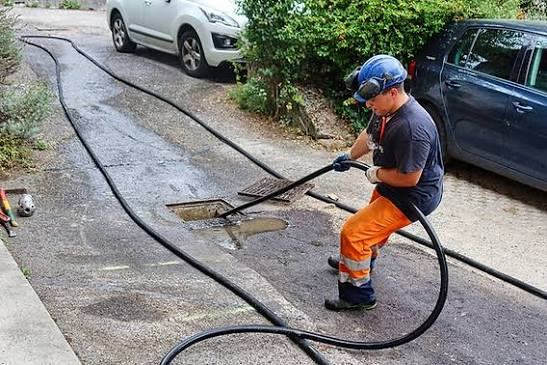
A thorough, long-lasting solution for pipes that keep backing up no matter what you try is exactly what our Drain Cleaning service delivers. Using specialized tools designed to reach deep into pipe systems, our technicians remove buildup completely rather than simply pushing it further along, so your drains stay clear longer and your plumbing runs the way it should.
We work on everything from single sink clogs to full main line blockages, using methods tailored to the type of pipe and the nature of the obstruction. That means no guesswork, no unnecessary chemicals, and no shortcuts that leave the real problem untouched.
Our team also takes the time to walk you through what caused the clog in the first place, so you can make small changes at home that help prevent it from happening again. Education paired with hands-on expertise is part of what sets our approach apart.
Keep Your Home Running Smoothly
A slow drain might seem like a minor inconvenience, but it’s often a sign of a bigger issue building beneath the surface. Catching it early — and addressing it properly — can save you time, money, and plenty of frustration down the road.
If your sinks are draining slower than they used to, or you’ve noticed gurgling, odors, or recurring clogs, don’t wait for a small problem to become a major repair. Reach out to AG Plumbing PA LLC today to schedule a thorough inspection and get your drains flowing freely again.
Frequently Asked Questions
How often should drains be professionally cleaned?
Most homes benefit from a professional drain cleaning once a year, though homes with older pipes or frequent clogs may need service more often.
Can chemical drain cleaners damage my pipes?
Yes. Repeated use of harsh chemical cleaners can corrode pipes over time, especially older metal pipes, making professional cleaning a safer long-term option.
What’s the difference between a drain snake and professional drain cleaning?
A drain snake typically breaks up or pushes through a clog, while professional cleaning removes buildup from the interior of the pipe entirely, resulting in longer-lasting results.
Is slow drainage always a sign of a clog?
Not always, but it’s one of the most common causes. Slow drainage can also indicate venting issues or problems further down the plumbing line, which a professional inspection can identify.