The Role of Modern Material Handling Equipment in Improving Industrial Efficiency

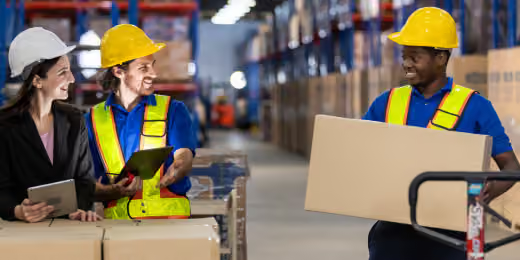
Industrial businesses require dependable machinery and organized transportation systems to manage their daily activities efficiently. Warehouses, manufacturing facilities, distribution centers, and commercial operations regularly move heavy products, raw materials, finished goods, and specialized components between different departments. These activities require careful planning because inefficient material movement can increase labor expenses, delay production schedules, and create unnecessary pressure on employees. Businesses need practical solutions that simplify lifting, transportation, storage, and inventory management while maintaining safe working conditions. Modern material handling equipment provides essential support for completing these tasks through machinery designed for different weights, dimensions, and working environments. Forklifts, pallet trucks, scissor lifts, boom lifts, conveyors, and other specialized machines allow organizations to manage demanding workloads more effectively. Selecting suitable machinery helps companies improve productivity, reduce repetitive manual work, and maintain better control over their operations. A reliable equipment strategy also enables businesses to respond to changing workloads, manage expenses, and develop more efficient industrial processes.
Understanding Industrial Handling Needs
Every industrial facility has different handling requirements based on the materials it processes, the products it stores, and the activities employees perform throughout the day. A distribution warehouse may need equipment for unloading shipments, organizing pallets, and preparing customer orders, while a manufacturing operation may require machinery capable of transporting heavy components between production stations. Before selecting material handling equipment, businesses should examine the average weight of their loads, the dimensions of their products, the frequency of transportation, and the distance materials need to travel. Facility layout is another important consideration because narrow aisles, limited turning areas, ceiling heights, and floor conditions can influence how effectively machinery operates. Selecting equipment without understanding these requirements may result in unnecessary expenses or operational difficulties. Managers should evaluate existing workflows and identify activities that consume excessive time or require repeated manual handling. This assessment helps businesses determine which machinery will provide the greatest practical value and how different equipment solutions can improve productivity throughout their facilities.
Improving Warehouse Productivity
An organized warehouse allows employees to receive, store, retrieve, and dispatch products with fewer delays and less unnecessary movement. However, achieving consistent productivity requires suitable machinery, properly arranged storage systems, and clearly defined transportation routes. When inventory is stored in inconvenient locations or equipment cannot move comfortably through available aisles, employees may spend valuable working hours completing routine transportation tasks. Appropriate material handling equipment helps reduce these difficulties by making it easier to move products between receiving areas, storage racks, packaging stations, and shipping departments. Forklifts can transport heavy palletized goods, pallet trucks can support shorter transportation activities, and conveyor systems can move products between designated workstations. Businesses should also organize inventory according to product dimensions, weight, and retrieval frequency to improve accessibility. Regularly reviewing warehouse operations allows managers to identify congestion, unnecessary handling, and underused storage space. Combining suitable machinery with an efficient warehouse layout creates a more organized working environment, improves order preparation, and helps companies maintain consistent productivity during periods of increased demand.
Selecting the Right Forklifts
Forklifts are essential machines for businesses that regularly transport heavy materials, load delivery vehicles, and organize palletized inventory. However, selecting the right forklift requires careful consideration of operating conditions and the specific tasks the machine will perform. Different models offer different lifting capacities, maximum heights, turning radiuses, tire configurations, and power systems. Electric forklifts are frequently considered for indoor environments where reduced operating noise and the absence of exhaust emissions during operation are beneficial. Internal combustion forklifts may be suitable for certain outdoor applications and demanding industrial conditions, depending on ventilation and equipment specifications. When choosing material handling equipment, businesses should also consider average load weights, operating hours, available maneuvering space, and maintenance requirements. A forklift that is too large for a facility may create difficulties in narrow aisles, while a machine with insufficient lifting capacity may not safely support the required workload. Careful equipment selection helps businesses improve transportation efficiency, protect valuable inventory, and reduce unnecessary pressure on employees. Proper training and routine inspections are equally important for ensuring that forklifts remain suitable for their intended applications.
Exploring Specialized Lifting Solutions
Some industrial activities require more specialized machinery than standard forklifts and pallet trucks can provide. Maintenance departments, manufacturing facilities, and industrial workplaces may need equipment that allows employees to access elevated areas or position materials at specific heights. Scissor lifts provide vertical access through an elevated platform, while boom lifts offer additional reach depending on their design and configuration. These machines can support suitable installation activities, facility maintenance, equipment inspections, and other approved elevated work applications. Businesses should examine working height, platform capacity, operating space, surface conditions, and manufacturer specifications before selecting a machine. Choosing appropriate material handling equipment for specialized applications can improve task efficiency and reduce dependence on unsuitable lifting methods. Employees must also receive relevant training and follow the safety procedures associated with each machine. Equipment should never be operated beyond its rated capacity or outside its approved working conditions. Access to different lifting solutions gives businesses greater flexibility when managing projects that involve several types of machinery and specialized operational requirements.
Managing Equipment Expenses
Industrial machinery represents a considerable investment, and businesses should evaluate the full financial implications before purchasing additional equipment. The initial purchase price is only one part of the total expense because ownership also involves maintenance, repairs, replacement components, insurance, fuel or electricity, storage, and eventual equipment upgrades. These costs can become difficult to manage when machinery is used irregularly or when operational requirements change throughout the year. Companies should evaluate how frequently each machine will operate and whether purchasing provides sufficient long-term value. Selecting material handling equipment based on actual workload helps prevent unnecessary spending on machinery that may not be used regularly. Rental arrangements can also provide a practical alternative when businesses need additional equipment for temporary projects, seasonal demand, or unexpected operational changes. Managers should compare rental costs with ownership expenses and consider transportation, maintenance responsibilities, and contract conditions before making a decision. A well-planned equipment budget helps organizations maintain access to reliable machinery while preserving financial resources for inventory, employee development, facility improvements, and other important business priorities.
Flexible Equipment Rental Options
Industrial workloads often fluctuate because of seasonal demand, large customer orders, new contracts, production increases, and unexpected equipment breakdowns. During these periods, businesses may require additional machinery to maintain their normal workflow and complete projects on schedule. Purchasing extra equipment for every temporary requirement can create unnecessary expenses, particularly when machinery may remain unused after a project is completed. Renting provides businesses with an opportunity to access suitable machinery for a specific period without making a permanent investment. Companies can explore material handling equipment through Tri-Lift Industries to find equipment and services that support different warehouse, industrial, and lifting requirements. Before selecting a rental solution, managers should confirm the machine’s specifications, lifting capacity, operating condition, delivery arrangements, and expected rental duration. They should also understand the responsibilities related to maintenance, servicing, and reporting technical problems. Proper planning helps businesses ensure that rented machinery is available when needed and appropriate for the intended tasks. Flexible rental options can support operational continuity while allowing companies to manage changing workloads without committing substantial capital to additional equipment purchases.
Maintaining Equipment Performance
Regular maintenance is essential for keeping industrial machinery in reliable working condition and reducing unexpected interruptions. Forklifts, pallet trucks, conveyors, and specialized lifting machines contain mechanical, electrical, and hydraulic components that require appropriate inspections and servicing. Depending on the equipment, maintenance procedures may include checking tires, brakes, forks, hydraulic hoses, batteries, chains, steering systems, and safety devices. Conveyor systems may require additional attention to belts, rollers, drive mechanisms, and alignment to ensure consistent product movement. Businesses should follow manufacturer recommendations and establish maintenance schedules according to equipment usage and working conditions. Properly maintained material handling equipment can provide more dependable performance and help reduce the possibility of costly mechanical problems. Employees should also complete required pre-operation checks and immediately report visible damage, unusual noises, fluid leaks, or other signs of malfunction. Equipment that presents a potential safety concern should remain out of operation until qualified technicians have inspected it. Maintaining accurate service records helps managers monitor equipment condition and plan necessary repairs before minor problems become more serious.
Strengthening Workplace Safety
Workplace safety must remain a priority whenever employees operate lifting machinery or work around moving products and industrial vehicles. Heavy loads, restricted visibility, overloaded equipment, damaged components, and poorly organized aisles can create serious hazards. Businesses should establish clear operating procedures and ensure that only appropriately trained and authorized employees operate machinery requiring specific qualifications. Forklift operators must understand load capacities, load positioning, turning procedures, braking distances, and safe transportation practices. Employees working with material handling equipment should also understand the limitations of their machines and follow manufacturer instructions during daily operations. Warehouse managers should establish designated pedestrian routes, organize vehicle movement areas, and prevent unnecessary congestion around loading zones. Storage racks should be suitable for their intended loads and inspected regularly for damage. Employees must know how to report mechanical defects and workplace hazards before they result in accidents. Regular training, equipment inspections, and clear communication help businesses maintain responsible operating standards while protecting employees, products, and valuable industrial infrastructure.
Improving Inventory Organization
Effective inventory management depends on organized storage arrangements and efficient transportation systems. Businesses handling large quantities of products need storage infrastructure that allows employees to identify, retrieve, and move materials without unnecessary delays. Pallet racks, industrial shelving, cantilever systems, and specialized storage solutions help companies organize inventory according to product dimensions, weight, and retrieval requirements. Appropriate material handling equipment supports these arrangements by allowing employees to transport products between storage locations, picking stations, and shipping areas. Forklifts and reach trucks can help access elevated pallet positions, while pallet trucks provide convenient movement for suitable loads across designated warehouse routes. Managers should also consider how frequently individual products are accessed when organizing storage locations. Frequently required inventory should be positioned where employees can retrieve it efficiently, while other products can be stored in suitable areas that do not interfere with regular workflows. Clear labeling and accurate inventory records further improve organization. Combining effective storage systems with appropriate machinery helps businesses reduce unnecessary movement, improve product accessibility, and maintain better control over warehouse activities.
Training Employees for Better Operations
Employee training plays an important role in improving machinery performance and maintaining safe industrial operations. Even high-quality equipment cannot provide its full benefits when operators do not understand its controls, operating limits, inspection requirements, and safety procedures. Businesses should provide appropriate training based on the machinery employees are expected to use. Forklift operators need to understand lifting capacity, load stability, visibility restrictions, and safe transportation practices, while employees using scissor lifts or boom lifts must follow the specific procedures associated with those machines. Training should also explain how to identify potential equipment problems and report defects before they create unnecessary interruptions. Employees working with material handling equipment should understand the importance of routine inspections and responsible operating practices. Refresher training can reinforce established procedures and help workers adapt when new machinery or operational processes are introduced. Supervisors should encourage communication between operators, warehouse personnel, and maintenance technicians to identify concerns quickly. Investing in employee development improves confidence, reduces avoidable mistakes, and supports more consistent performance throughout the workplace.
Preparing for Future Business Growth
Business expansion often creates additional demands on warehouses, manufacturing facilities, and distribution operations. Higher inventory volumes, increased production, new product categories, and larger customer orders can place pressure on existing machinery and storage infrastructure. Businesses should regularly evaluate whether their current equipment can support future workloads or whether additional machinery will be necessary. Expanding material handling equipment capabilities may involve acquiring additional forklifts, upgrading conveyors, introducing specialized lifting solutions, or reorganizing storage areas. Managers should also examine whether existing transportation routes provide enough space for increased machinery movement and inventory volume. In some situations, improving the warehouse layout may provide greater value than purchasing additional equipment. Other operations may require machinery upgrades to accommodate heavier loads or more demanding production schedules. Planning these changes in advance allows businesses to compare suitable options, evaluate expenses, and avoid rushed purchasing decisions. A practical expansion strategy supports operational efficiency while helping organizations develop facilities capable of handling changing business requirements.
Choosing a Reliable Equipment Provider
Selecting a dependable equipment provider is an important decision for companies that rely on machinery throughout their daily operations. Businesses need more than access to different machines because technical guidance, maintenance support, replacement parts, and equipment availability also influence overall performance. Before choosing a supplier, managers should evaluate product quality, available machinery, rental arrangements, service capabilities, and technical expertise. An experienced provider can help businesses compare equipment specifications and identify suitable solutions based on lifting requirements, operating conditions, and project schedules. Reliable service support is particularly valuable because unexpected machinery problems can interrupt production and delay important shipments. Companies should also understand warranty coverage, maintenance responsibilities, delivery arrangements, and rental conditions before entering an agreement. Working with an experienced supplier makes it easier to manage equipment requirements and obtain professional assistance when operational needs change. A dependable equipment partnership can support future machinery purchases, simplify maintenance planning, and help businesses maintain consistent performance across their facilities.
Maximizing Productivity With Material Handling Equipment
Businesses seeking better industrial performance should focus on selecting machinery that directly supports their daily operational requirements. The right combination of forklifts, pallet trucks, scissor lifts, boom lifts, conveyors, and storage systems can improve the movement of products throughout warehouses and manufacturing facilities. However, achieving long-term benefits requires more than simply purchasing machinery. Companies must also establish maintenance schedules, train employees, organize transportation routes, and regularly evaluate equipment performance. Selecting suitable material handling equipment helps businesses reduce unnecessary manual work, improve inventory accessibility, and manage demanding workloads more effectively. Managers should also compare purchasing and rental arrangements to determine which option provides the best balance of financial value and operational flexibility. Access to dependable machinery and professional technical support can help companies respond to unexpected requirements without compromising productivity. By combining appropriate equipment with organized processes and responsible operating procedures, businesses can improve workplace efficiency and create a stronger foundation for continued industrial development.
Conclusion
Efficient material movement is essential for maintaining productivity, improving warehouse organization, protecting employees, and controlling industrial operating expenses. Businesses should carefully evaluate their lifting requirements, storage arrangements, facility layouts, and daily workloads before selecting machinery. Forklifts, pallet trucks, conveyors, scissor lifts, boom lifts, and specialized industrial machines each provide valuable capabilities when chosen for appropriate applications. Regular maintenance, operator training, and organized workplace procedures further improve equipment performance and reduce unnecessary interruptions. Flexible rental solutions can also help companies manage temporary projects and change operational requirements without making unnecessary long-term investments. Working with a dependable equipment provider gives businesses access to suitable machinery, technical assistance, and ongoing support. With proper planning and an effective equipment strategy, organizations can improve daily workflows, manage resources responsibly, and prepare their industrial operations for sustainable growth.