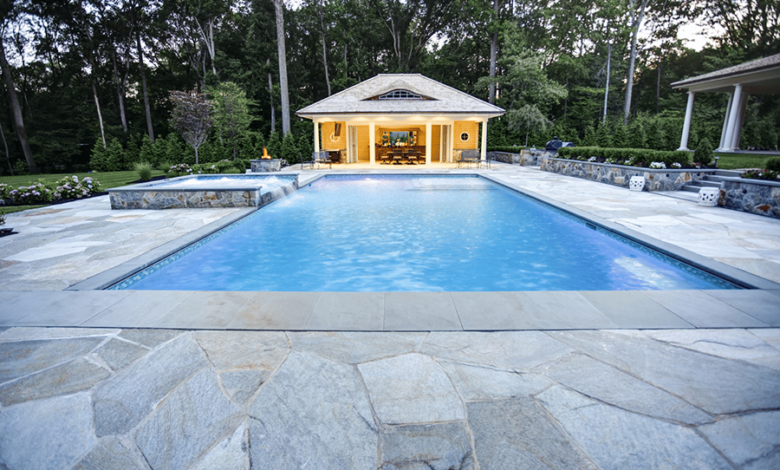
A swimming pool can completely transform the outdoor appearance of a residential property, but the surrounding landscape determines how comfortable, attractive, and functional the entire environment becomes. A thoughtfully designed pool deck provides more than a decorative border around the water; it creates a welcoming space for relaxation, entertainment, family activities, and outdoor enjoyment. Homeowners increasingly choose pavers for poolside improvements because they offer a combination of design flexibility, durability, and practical maintenance advantages. Available in numerous colors, patterns, textures, and shapes, pavers make it possible to create customized outdoor surfaces that complement different architectural styles and landscaping arrangements. A professionally designed pool deck can also improve the organization of the outdoor environment by establishing dedicated areas for seating, walking, dining, and other activities. When materials are selected carefully and the supporting foundation is prepared correctly, the finished surface can provide long-term functionality while enhancing the overall appearance of the property.
Creating a Functional Poolside Environment
The design of a swimming pool area should begin with an understanding of how the space will be used throughout the year. Some homeowners want a peaceful environment where they can relax beside the water, while others need a larger entertainment area that accommodates outdoor furniture, dining arrangements, and gatherings. The available space, swimming pool dimensions, existing landscape features, and household requirements should all influence the proposed layout. A well-planned deck provides enough room for comfortable movement without making the surrounding area appear crowded or difficult to maintain. It should also create convenient connections between the swimming pool, exterior entrances, patios, gardens, and other outdoor features. Considering these details before construction begins allows homeowners to establish a practical layout that supports different activities while maintaining a balanced appearance.An attractive poolside environment also requires attention to the relationship between the paving materials and the surrounding architecture. The colors and textures selected for the deck should complement exterior walls, outdoor furniture, garden features, and nearby hardscaping elements. Neutral shades can create a calm and sophisticated appearance, while contrasting borders can introduce visual interest and distinguish separate activity areas. Homeowners may also incorporate decorative patterns to create a distinctive design without making the overall landscape feel overwhelming. The objective should be to establish a consistent visual theme in which every feature contributes to the overall environment. By combining practical planning with thoughtful design decisions, property owners can transform an ordinary swimming pool area into a comfortable outdoor retreat that feels like a natural extension of the home.
Understanding the Benefits of Paver Surfaces
Pavers are popular for outdoor improvements because their individual construction provides flexibility in both installation and maintenance. Unlike a single continuous concrete slab, a paved surface consists of separate units arranged over a prepared foundation. This construction method allows contractors to create different patterns, accommodate curved edges, and work around existing landscape features. Concrete pavers are available in various shapes, sizes, and finishes, making them suitable for traditional and contemporary pool designs. Natural stone offers another attractive option for homeowners who appreciate organic textures and distinctive color variations. Depending on the selected product, pavers can provide a durable walking surface while allowing the overall deck to reflect the property’s architectural character.Another advantage is the ability to address certain localized problems without replacing the entire paved area. If individual units become damaged, stained, or uneven, they may be removed and replaced after the underlying issue has been corrected. This can make some repairs more manageable compared with surfaces that require extensive reconstruction when localized damage occurs. Pavers can also be incorporated into larger hardscaping projects involving walkways, patios, retaining walls, and outdoor kitchens. However, their performance depends on suitable materials, appropriate base preparation, proper drainage, and careful workmanship. Homeowners should therefore consider the complete paving system rather than focusing exclusively on the appearance of the individual units. Selecting quality products and using appropriate construction methods can help create an attractive surface that remains practical under regular outdoor use.
Selecting Suitable Materials for Pool Decks
Material selection is one of the most important decisions in any poolside improvement project because the surface must perform well under conditions that differ from those found in ordinary outdoor areas. Pool decks are regularly exposed to water, splashes, moisture, cleaning products, sunlight, and changing temperatures. The selected pavers should therefore be suitable for exterior applications and provide appropriate traction when wet. Concrete pavers are widely used because they offer considerable design flexibility and are available in different textures and finishes. Natural stone can create a distinctive appearance, although individual stone varieties have different characteristics and maintenance requirements. Porcelain pavers may also be suitable when specifically manufactured and rated for exterior use, with appropriate slip-resistance properties.Homeowners should evaluate the characteristics of each material before making a final decision. Surface texture, heat absorption, color stability, thickness, cleaning requirements, and compatibility with the intended installation system can all influence long-term satisfaction. Lighter colors may be preferable in areas exposed to substantial sunlight because some darker surfaces can become uncomfortably warm. However, the actual temperature depends on the material, finish, environmental conditions, and amount of direct exposure. Property owners should also ask about sealing requirements and the manufacturer’s recommendations for maintaining the selected product. A material that looks attractive in a sample may require more maintenance than another option with similar visual qualities. Reviewing these practical considerations helps homeowners select pavers that balance appearance, comfort, and dependable performance.
Preparing a Stable Foundation
A successful paved surface begins beneath the pavers themselves. Proper ground preparation is essential because the stability of the finished deck depends on the quality of the supporting foundation. Before construction begins, contractors should examine the existing soil, identify unsuitable materials, and determine the appropriate excavation depth. Vegetation, loose soil, debris, and other obstacles must be removed so that the prepared area can support the planned paving system. Once excavation is complete, the ground is graded and compacted according to the project’s specifications. A suitable aggregate base is generally installed in layers and compacted to establish a stable foundation. This process helps distribute loads and reduces the likelihood of settlement, shifting, and uneven surfaces.The thickness and preparation requirements of the base depend on the site conditions, selected materials, and expected use of the pool deck. Areas with weaker soil conditions may require additional preparation to achieve the necessary stability. Contractors should also consider the relationship between the proposed deck and the existing pool structure to avoid creating unnecessary pressure or drainage problems. Careful measurements help establish consistent elevations around the swimming pool, entrances, steps, and surrounding landscape features. Skipping preparation steps to reduce construction time can create problems that are difficult to correct after the pavers have been installed. Investing in a properly prepared foundation helps protect the finished surface and supports the long-term performance of the entire outdoor improvement.
Managing Water and Surface Drainage
Drainage deserves particular attention in swimming pool environments because the surrounding surface is constantly exposed to moisture. Water can come from swimming activities, rainfall, cleaning, and nearby landscaping systems. If it is not directed appropriately, it may collect in low areas, create slippery conditions, or contribute to erosion beneath the paved surface. A properly designed deck should establish suitable slopes that direct water toward appropriate drainage locations while protecting the pool structure and nearby buildings. Contractors may incorporate surface grading, drainage channels, or other suitable water-management features depending on the property’s layout. The correct design should account for existing elevations, soil characteristics, and the direction in which runoff naturally moves across the outdoor area.Effective drainage also helps maintain the stability of the paving foundation. When water repeatedly enters the supporting layers without an appropriate route for removal, it may contribute to movement or loss of base material. This can eventually cause pavers to settle unevenly, creating gaps and changes in surface elevation. Homeowners should discuss drainage requirements during the planning stage rather than waiting until construction is almost complete. The contractor should evaluate nearby downspouts, irrigation systems, garden beds, and other features that may influence water movement. A properly coordinated drainage plan helps maintain a cleaner and more comfortable poolside environment while reducing the likelihood of avoidable maintenance problems.
Exploring Creative Paver Patterns
Paver patterns offer homeowners an opportunity to customize the appearance of their swimming pool surroundings. Traditional layouts can provide a timeless look, while more elaborate arrangements introduce decorative character and visual movement. Running bond patterns create an organized appearance and can complement simple architectural styles. Herringbone patterns offer a more distinctive arrangement, while basketweave designs can introduce additional visual interest through alternating units. Circular layouts and curved borders may also be suitable for swimming pools with rounded edges or distinctive landscape features. The choice of pattern should consider the shape of the pool, the dimensions of the deck, and the overall appearance of the property.Color combinations can further enhance these designs by creating borders, highlighting seating sections, and establishing visual connections between different outdoor areas. Some homeowners prefer a consistent color throughout the deck, while others use contrasting shades to create a more customized appearance. Natural-looking combinations can complement garden landscapes, whereas clean neutral tones may work particularly well with contemporary exterior designs. Contractors should also consider how the selected pattern affects cutting requirements and material quantities, especially around curves and irregular boundaries. Careful planning reduces unnecessary material waste and helps achieve consistent alignment throughout the project. By selecting an appropriate combination of patterns, colors, and finishes, homeowners can create a pool deck that feels distinctive without sacrificing functionality.
Improving Comfort and Slip Resistance
Comfort and safety are essential considerations when choosing a surface for an area where people frequently walk barefoot. Pool decks become wet during normal use, so the selected materials should provide suitable traction under expected conditions. Textured pavers may offer better grip than certain smooth finishes, although slip resistance varies according to the material and surface treatment. Homeowners should request product information and choose paving products specifically appropriate for poolside applications. They should also consider how the material feels underfoot during hot weather, because surfaces exposed to prolonged sunlight can become uncomfortable. Selecting suitable colors and finishes can help improve the overall experience without compromising the appearance of the landscape.Installation quality also influences the safety of the completed deck. Individual pavers should remain properly aligned, with consistent joints and stable edges that do not create unnecessary height differences. Special attention is required around steps, pool entrances, drainage points, and transitions between different paving materials. Poorly fitted units can create trip hazards even when the selected pavers are otherwise suitable for outdoor use. Homeowners should also consider lighting around the swimming pool so that walking surfaces remain visible during evening activities. Combining appropriate materials with accurate installation, suitable drainage, and routine inspections helps create a more comfortable environment for family members and guests.
Integrating Pavers with Outdoor Living Features
A swimming pool often serves as the central feature of a larger outdoor living environment. Surrounding elements such as patios, pergolas, outdoor kitchens, garden beds, and seating areas can make the property more useful and enjoyable. Coordinating the paving materials across these features creates a sense of continuity and helps the entire landscape feel professionally designed. For example, matching pavers can connect the pool deck with an adjoining patio, while decorative borders can distinguish the dining area from the swimming zone. Retaining walls and raised planters may also introduce additional structure while creating opportunities for greenery and seasonal landscaping. The layout should provide convenient walking routes between these features without creating unnecessary obstacles.Outdoor kitchens are particularly useful additions for homeowners who enjoy entertaining. A nearby cooking area can provide convenient access to food preparation and dining spaces while allowing guests to remain connected to the swimming pool environment. The design should account for appliance placement, utility connections, cleaning requirements, and appropriate clearances. Pergolas, umbrellas, and other shade features can improve comfort by reducing direct sun exposure in seating areas. Decorative lighting can also make the outdoor environment more welcoming after sunset. Planning these elements together helps create a coordinated landscape in which the pool deck supports several activities instead of functioning as an isolated paved surface.
Understanding the Paver Installation Process
The installation process requires accuracy at every stage because small mistakes can affect the appearance and stability of the completed surface. After excavation and base preparation, contractors establish the appropriate bedding layer according to the selected paving system. The pavers are then positioned according to the planned pattern, with attention given to alignment, spacing, and finished elevations. Cutting is often necessary around pool curves, drainage structures, steps, and other fixed features. These areas require careful measurements because irregular gaps and poorly fitted edges can reduce the overall quality of the finished design. Professional installers also use appropriate equipment and construction methods to maintain consistency throughout the paved area.Once the pavers have been positioned, the joints are filled with suitable material according to the manufacturer’s specifications and the selected paving system. Edge restraints may be necessary to help maintain the shape of the deck and prevent movement along exposed boundaries. The completed surface is inspected for uneven units, alignment concerns, and other visible problems before the project is considered finished. Depending on the product, a suitable sealer may also be recommended to protect the surface or enhance its appearance. Professional pool deck paver installation requires coordination between material selection, foundation preparation, drainage planning, accurate placement, and final finishing. When each stage is handled correctly, the result can provide a visually appealing and functional poolside surface that supports regular outdoor use.
Maintaining Pavers for Lasting Performance
Regular maintenance helps preserve the appearance and functionality of a paved pool deck. Sweeping removes leaves, dirt, and loose debris that may collect between individual units, while periodic washing helps remove ordinary surface buildup. Spills from food, beverages, sunscreen, and other substances should be addressed using cleaning products appropriate for the selected pavers. Homeowners should avoid harsh chemicals or aggressive cleaning techniques unless they are specifically approved for the material. Pool chemicals should also be handled carefully to minimize unnecessary exposure to surrounding surfaces. Establishing a simple cleaning routine helps maintain a neat outdoor environment and reduces the likelihood of stubborn stains developing over time.Joint maintenance is another important consideration because the material between pavers helps maintain their alignment and stability. Depending on the paving system, joint material may require periodic inspection and replenishment. Weeds or organic growth can occasionally appear when debris accumulates between units, particularly in areas that remain damp. Removing unwanted growth and addressing missing joint material helps preserve the appearance of the deck. Sealing may be suitable for some products, but it should only be performed when recommended by the manufacturer and appropriate for the specific material. Regular inspections can also identify settlement, loose units, and drainage concerns before they develop into more significant problems.
Choosing Experienced Hardscaping Professionals
Selecting the right contractor is essential for achieving a successful pool deck project. Homeowners should look for professionals with experience in excavation, grading, base preparation, drainage systems, paver placement, cutting, and edge restraints. Reviewing previous projects can provide insight into the contractor’s workmanship and ability to handle different pool shapes and outdoor layouts. A detailed estimate should explain the materials, preparation requirements, proposed design, construction schedule, and expected project costs. Clear documentation helps homeowners understand the work involved and makes it easier to compare proposals from different professionals. Contractors should also be willing to discuss product specifications and explain how their recommended materials will perform in a poolside environment.Communication throughout the project is equally important. Property owners should ask how drainage will be managed, how the foundation will be prepared, and what measures will be taken to maintain consistent surface elevations. They should also discuss the maintenance requirements of the selected pavers and whether any protective treatments are recommended. A professional contractor should provide practical recommendations based on the property’s conditions rather than focusing only on decorative preferences. Choosing a contractor solely because of a low estimate can lead to problems if essential preparation or finishing work has been excluded. Evaluating experience, materials, communication, and construction methods helps homeowners make a more informed decision and invest confidently in their outdoor improvement.
Conclusion
A carefully designed pool deck can significantly improve the appearance, comfort, and functionality of a residential outdoor environment. Pavers provide numerous opportunities to customize the swimming pool surroundings through different materials, colors, patterns, and textures. From preparing a stable foundation and managing drainage to selecting slip-resistant finishes and integrating additional outdoor living features, every decision contributes to the quality of the finished project. Homeowners should prioritize suitable materials, accurate installation, and practical maintenance requirements to achieve a surface that performs well under regular exposure to water, sunlight, and everyday use.Investing in professional pool deck paver installation helps property owners create a more attractive and organized swimming pool environment while supporting long-term usability. With appropriate planning, experienced workmanship, and regular maintenance, a paved deck can become an important part of the property’s outdoor living space. Whether the goal is to create a relaxing seating area, improve the appearance of an existing swimming pool, or coordinate several landscape features, quality paver work offers a versatile way to enhance the entire exterior. A well-executed project provides a welcoming setting for recreation, relaxation, and memorable gatherings while complementing the home’s overall design.