What to Record Before You Request Electrical Service: Details That Speed Safe Troubleshooting

When a circuit trips or lights start flickering, the fastest route to a safe fix is sharing clear, concrete information with the electrician. A few focused observations can narrow hundreds of possible faults to a short list the moment the technician arrives. This is not about doing the repair yourself. It is about noting the right symptoms, photos, and context so the professional can diagnose efficiently and avoid unnecessary panel time. The notes below show what to gather for common residential issues, from a repeatedly tripping breaker to a GFCI that will not reset, and which safety steps to take while you wait.
- Identify the Circuit: Panel Labels, Breaker Behavior, and Load Clues
Start at the service panel. Note the exact breaker that tripped, whether it is a standard thermal-magnetic breaker, GFCI breaker, or AFCI breaker, and how it behaves. A breaker that instantly trips may point to a short or ground fault. One that holds for a few seconds under load suggests an overload or intermittent arc. Avoid repeatedly resetting a breaker that continues to trip. Photograph the panel directory and the breaker positions. Also list what was running at the time: space heater, microwave, hair dryer, vacuum, or window AC. High inrush loads can push a borderline circuit over its rating, and that pattern helps the electrician decide whether to rework the circuit, redistribute loads, or replace a failing breaker.
If you plan to request service from Upfront Electrical, include photos of the panel label, the specific breaker, and any subpanel fed from the main. Add the breaker’s amp rating, the room names on the directory, and whether the panel uses tandem breakers or has a full-size slot available. This information affects decisions such as installing a dedicated 20 amp circuit for small appliances or moving a refrigerator off a kitchen lighting circuit. Sharing it in advance can prevent a return trip just to verify capacity.
- Receptacle and Switch Symptoms That Narrow the Fault
Outlets and switches can reveal a lot. A warm faceplate, buzzing dimmer, or a plug that wobbles points to loose contacts or connections inserted into the back of receptacles. Lights that brighten in one room while dimming in another can indicate a loose neutral on a branch circuit with multiple wires. A receptacle with one outlet controlled by a switch can be normal by design, but if both halves used to work and one no longer does, a broken tab or loose pigtail may be to blame. For outlets without signs of damage or overheating, note whether a lamp works in one location but not another nearby. This provides a clue about where an open connection may lie.
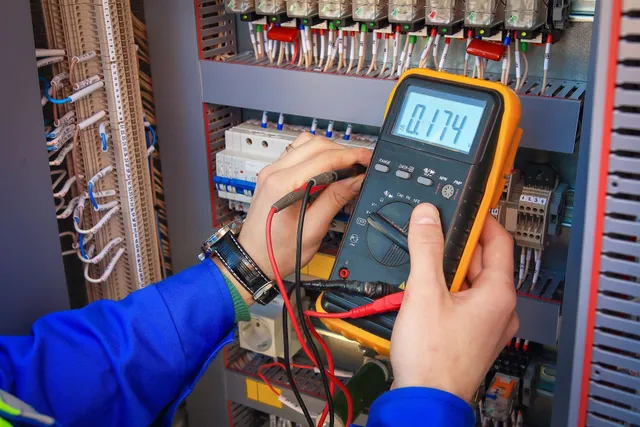
Provide simple results rather than assumptions. For example, “Bedroom lamps flicker only when the ceiling fan changes speed,” or “The hallway switch works from the top of the stairs but not from the bottom.” Avoid probing receptacles or switches with electrical testing equipment unless you are trained to use it safely. The electrician can combine these observations with typical failure points, such as loose receptacle connections or overcrowded junction boxes, to identify the likely problem device.
- GFCI and AFCI Trips and What They Tell the Electrician
Ground fault circuit interrupters (GFCIs) and arc fault circuit interrupters (AFCIs) trip for different reasons, and that difference speeds troubleshooting. A GFCI trips when it detects current leaking from the intended circuit path, often from moisture or a damaged cord. If a bathroom GFCI will not reset, list which downstream outlets also lost power. A patio receptacle that trips after heavy rain hints at a wet protective cover or a compromised exterior box. Note the GFCI’s indicator light color and whether pressing TEST and RESET changes it, provided the device shows no signs of damage or moisture exposure.
An AFCI looks for arcing signatures. Common culprits include vacuums, older treadmills, or corded tools with worn brushes. If the bedroom AFCI trips only when a certain vacuum starts, record that pattern. On combination GFCI and AFCI breakers, mention whether the trip occurs on startup or randomly after minutes of operation. The electrician may test for parallel arcing at a loose wire connector, series arcing at a loose receptacle connection, or unwanted trips from incompatible dimmers and LED drivers. These distinctions shape whether the fix is a device replacement, a wiring repair, or a compatibility change.
- When the Issue May Be at the Service: Main Panel, Subpanels, and Neutral Problems
Some problems point upstream of individual circuits. Widespread dimming, appliances running sluggishly, or lights brightening on one electrical leg while dimming on the other can indicate a loose service neutral. That can damage electronics and should be addressed urgently. Note if the symptoms occur across multiple rooms on different breakers. If a subpanel feeds an addition or garage, photograph its exterior label and note any available information about its installation. In typical residential installations, neutral and ground conductors should remain isolated in subpanels. Record any visible corrosion at the meter base or service mast and whether weather was a factor.
Technical constraints matter here. Equipment owned by the utility often includes the service drop and meter, while the homeowner typically owns the panel and feeders, depending on local utility rules. Do not pull the meter or remove protective covers on energized equipment. A practical tradeoff exists between gathering detail and staying safe: limit your documentation to exterior photos and observations with the panel cover on. The electrician can perform voltage drop checks, inspect neutral connections, and evaluate whether a problem on the utility side warrants a service call.
Safety Steps and the Information to Share When You Schedule
If a breaker trips repeatedly, unplug portable loads on that circuit and leave the breaker off until it is evaluated. For a suspected neutral problem, stop using affected equipment and contact a qualified electrician or the utility promptly. If you notice burning smells, smoke, visible arcing, or signs of overheating, keep clear of the equipment and contact emergency services when appropriate. Do not tape breakers closed, bypass a GFCI, or run extension cords as a substitute circuit. Note any unusual odors, popping sounds, or visible arcing from a safe distance. List exact times and weather conditions because humidity and temperature can influence marginal connections and exterior boxes.
When you schedule service, provide three essentials: clear photos of the panel directory and breakers, a brief timeline of what was on when the issue occurred, and a list of affected rooms and devices. Include device details when relevant, such as the dimmer model controlling new LED fixtures, the age of a window AC, or whether an EV charger or space heater was recently added. After the visit, keep the panel directory updated, label critical receptacles and GFCI locations, and consider preventive steps like surge protection for the entire home or moving appliances with high electrical demand to dedicated circuits. That small investment in documentation pays off on the next call.
Good notes do not replace skilled diagnostics, but they shorten the path to a safe, durable repair. By recording which breaker trips, which outlets fail, and what loads were in play, you give the electrician a head start before tools touch the panel. If a GFCI refuses to reset after a storm, or an AFCI trips when a treadmill starts, those specifics can help distinguish moisture intrusion, arcing, or compatibility issues. Pair that clarity with simple safety steps, and you will reduce downtime, avoid guesswork, and help ensure the final fix matches the real cause rather than the nearest symptom.