How Coastal Conditions Around Carlsbad Wear on Your AC and the Early Signs You Can Check

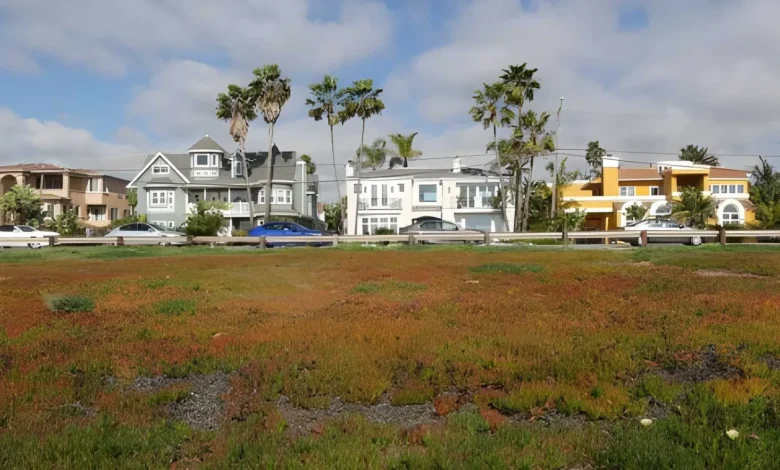
Homes along the North County coast enjoy cooler evenings, but the same salt air and marine layer that rust outdoor grills can also wear down your air conditioning. Aluminum fins pit, electrical parts age faster, and sand works into fan housings. Farther inland, long afternoons over 95 degrees push compressors to their limits. For homeowners in Carlsbad, Oceanside, Vista, San Marcos, and Escondido, recognizing small performance changes before peak heat can prevent a midsummer breakdown and protect expensive components like the compressor and evaporator coil. Here is a focused, practical look at early clues, what they usually mean, and simple checks you can do safely.
- Clues You Can Spot Before the System Quits
Pay attention to what the system does during the first warm week. If supply vents feel lukewarm while the outdoor condenser runs, something is reducing heat transfer. Short cycling is another red flag: the unit starts, stops within a few minutes, then repeats. Ice on the large insulated suction line outside suggests the evaporator coil is freezing. Water around the indoor air handler points to a clogged condensate drain or a tripped float switch. A sudden, louder-than-usual hum from the outdoor unit when the fan blade doesn’t spin often points to a failed capacitor or a seized condenser fan motor.
Online searches for AC repair in Carlsbad spike during the first heat wave for a reason: those early symptoms often appear after months of salt, dust, and moisture buildup. Catching them early can keep head pressure in check, avoid nuisance breaker trips, and prevent the compressor from overheating during the season’s first long runtime.
- What Those Symptoms Often Mean Inside the System
Lukewarm air with a running outdoor unit often points to restricted airflow or a refrigerant-side issue. A clogged filter or matted evaporator coil starves the coil of warm return air, lowering coil temperature until it ices over. Low refrigerant charge can do the same by reducing evaporator pressure. Both conditions reduce heat absorption, so the indoor coil gets too cold while the outdoor condenser runs hot, pushing head pressure up and stressing the compressor.
Short cycling can stem from a failing capacitor that cannot reliably start the compressor, an overheating compressor hitting its internal thermal overload, or excessively high static pressure from undersized or blocked ducts that causes the system to shut down early. Water around the air handler usually traces to a clogged condensate trap or drain line. Many systems include a condensate safety switch that opens the control circuit when water backs up, so the indoor blower or the entire system may stop until the blockage is cleared. A steady clicking at the outdoor unit with no start suggests a contactor or capacitor problem, both of which are live electrical parts that require proper handling.
- Coastal Versus Inland: How Microclimates Change Failures
Near the beach in Carlsbad or Oceanside, salt spray and the marine layer corrode condenser fins and tiny copper-to-aluminum joints, degrading heat transfer. Picture a townhouse a few blocks from the water: the outdoor unit runs, but cooling feels weak by afternoon. An inspection finds the condenser coil’s fins coated with a sticky film of salt and lint, plus a wobbly condenser fan blade with a worn hub. Dirty fins trap heat and raise head pressure; the tired fan moves less air, worsening the problem.
In Escondido or San Marcos, blazing late-day sun bakes the condenser. A west-facing unit on a gravel pad can ingest dust, and the compressor may trip its thermal overload after a long cycle. Shade structures help but must preserve airflow clearance on all sides. Coastal protective coatings on coils resist corrosion but add cost and can slightly reduce heat transfer if applied too thickly. That trade-off is often worthwhile within a half-mile of the ocean but less critical inland, where heat, not salt, is the primary stressor.
- Low-Risk Checks You Can Do Today
Start with airflow. Replace a clogged return filter and vacuum dust from return grilles. Verify the thermostat is set to Cool and Fan to Auto, and that it is not in a sun patch that can skew readings. Step outside, confirm the condenser has at least two feet of clearance on all sides, and remove leaf piles or fencing that blocks the coil intake. If the outdoor fan doesn’t spin but you hear a hum, turn off the system at the disconnect to prevent motor or compressor damage. After any power-off, wait five minutes before turning the system back on to allow the ccompressor’santi-short-cycle protection to reset.
If the condenser coil is visibly dirty, cut power and gently rinse from the inside out with a garden hose. Do not use a pressure washer, and avoid blasting from the outside in, which drives debris deeper and bends fins. If you routinely buy high-MERV filters for allergies, remember the trade-off: better filtration can also raise static pressure and reduce airflow as the filter loads with dust. In many homes, a mid-range pleated filter changed more frequently protects the evaporator coil without starving it of air.
- When to Stop Troubleshooting and Call a Licensed Technician
Ice on the evaporator coil or suction line, repeated breaker trips, a burnt electrical smell, or a compressor that starts and shuts down within seconds are all signs to stop and call a technician. Electrical parts like capacitors and contactors store and switch power even when the thermostat is off, and EPA-certified technicians must handle refrigerant. Persistent humidity, chronically warm rooms at the ends of duct runs, or noise that sounds like metallic knocking can indicate deeper issues such as a failing expansion device, duct design problems, or liquid refrigerant returning to the compressor.
Routine maintenance is still the best prevention. A technician can measure superheat and subcooling, check the contactor and capacitor under load, test the condenser fan amperage, clear the condensate line at the trap, and verify that static pressure across the air handler is within manufacturer limits. In North County, many homeowners schedule this service in late spring, before inland heat or coastal corrosion turn small inefficiencies into full outages.
Coastal air and inland heat stress your AC differently. Still, the earliest clues are remarkably consistent: weaker airflow, warmer supply air, unusual cycling, ice, and water around the air handler. Address airflow first, keep the condenser coil clean, and respect electrical and refrigerant boundaries to spare the compressor and help the system ride out the season. A short checklist now can mean fewer surprises when temperatures spike, whether your porch catches salt spray in Carlsbad or bakes in late-day sun in Escondido.