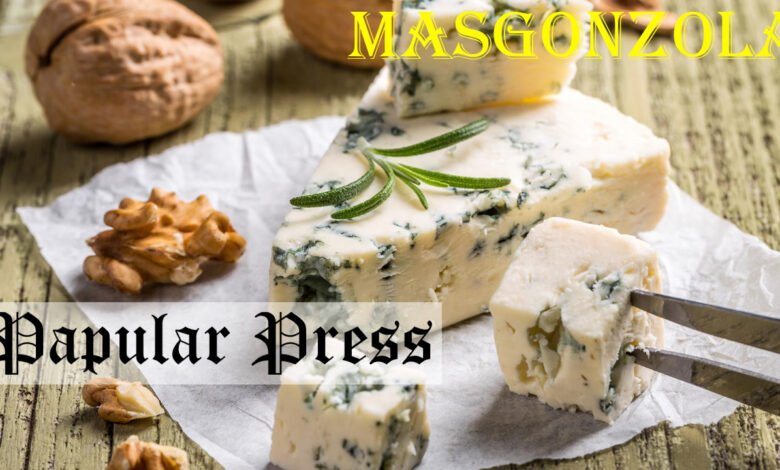
Masgonzola is a name that sounds like it belongs on a cheese counter next to gorgonzola, brie, and camembert, yet a close look at the available content reveals no real manufacturer, no verifiable product listing, and no dairy industry record behind the word at all. This guide walks through what existing articles claim, why the name pattern itself is a strong clue, and how to verify similar food product claims yourself.
What Do Existing Articles Claim About Masgonzola?
Content describing masgonzola frames it as a type of cheese, generally positioned as something related to or inspired by gorgonzola, the well known Italian blue cheese. Descriptions tend to focus on general sensory language, tangy, creamy, bold flavor, without ever naming a specific dairy producer, a country of origin with any verifiable cheese making tradition behind this specific name, or a protected designation of any kind. No article names a specific creamery, a specific region, or a specific date when this cheese supposedly began being produced.
Why the Name Itself Is a Significant Clue
The name masgonzola is worth examining closely on its own, since it so closely echoes gorgonzola, one of the most recognizable Italian blue cheeses in the world, protected under European Union law as a Protected Designation of Origin product. Gorgonzola has a well documented history stretching back centuries, tied to a specific geographic region in northern Italy, and its production is governed by strict, legally defined standards that specify exactly where and how genuine gorgonzola must be made. A name that closely resembles this well established, legally protected cheese name, while adding no verifiable new information about an actual distinct product, fits a recognizable pattern of manufactured search terms designed to piggyback on the search interest and cultural recognition of a real, famous product.
How Protected Designation of Origin Actually Works
Understanding how protected cheese names actually work in the European Union helps explain why the masgonzola case is worth real skepticism. A Protected Designation of Origin status, which genuine gorgonzola holds, means the cheese can legally only be produced in specific, legally defined regions using traditional methods, and any product using the protected name outside those legal requirements would face serious regulatory and trademark consequences. This legal framework exists specifically to protect both consumers, who can trust that a product labeled with a protected name meets specific quality and origin standards, and traditional producers, who built their reputation and livelihood around a name tied to real geography and history. A supposed new cheese variety with a name this close to a legally protected product, yet with no verifiable manufacturer or regulatory registration of its own, does not fit how legitimate specialty cheese products actually reach the market.
What a Real Specialty Cheese Product Looks Like
For useful comparison, genuine specialty and artisanal cheeses, even ones far less famous than gorgonzola, are generally traceable to a specific creamery or dairy producer, often with a physical address, a website describing their actual production methods, and in many cases specific certifications or awards from recognized cheese competitions or dairy industry organizations. They typically appear in distributor catalogs, at identifiable retail locations, or through specialty food import companies whose own business registration can be checked. Reviews of genuine specialty cheeses tend to appear on established food and cooking publications with editorial standards, or from identifiable food bloggers and reviewers with a documented history of covering real specialty food products. Masgonzola, as described across the available content, has none of these markers.
No Verifiable Dairy Industry Presence
A search for masgonzola within dairy industry trade publications, cheese competition records, or specialty food distributor catalogs turns up no verifiable results connecting the name to an actual, currently produced cheese. Legitimate specialty cheeses, even small, regional, or newly introduced ones, typically leave some trace in these industry specific channels, since cheese producers generally want visibility within the trade and among cheese enthusiasts actively seeking new products to try. The complete absence of this kind of trade specific footprint, combined with the vague, sensory only language used to describe masgonzola and its suspicious naming similarity to a famous protected cheese, provides a fairly clear signal that no real, currently produced cheese exists behind this specific name.
Why Food and Product Names Are a Common Target for This Pattern
Fabricated search terms built around plausible sounding food product names are a recognizable category within the broader pattern of manufactured search content, since food related searches, recipes, product reviews, and buying guides, generate substantial and consistent search interest. A name that sounds like it could plausibly be a real, if obscure, cheese variety gives content built around it a head start in appearing legitimate to a casual reader, particularly when it echoes the sound and cultural association of a genuinely famous product like gorgonzola. This makes invented food names a practical target for this kind of content regardless of whether any real product exists to back up the claims being made.
The Practical Risk of Trusting Unverified Food Product Claims
Beyond the general frustration of wasted research time, treating an unverified food product name as though it were a real, purchasable item carries its own small practical risk, particularly for anyone with food allergies or dietary restrictions who might search for specific ingredient or allergen information about a product that does not actually exist in any traceable form. Reliable ingredient and allergen information only exists for real, traceable food products with an actual manufacturer standing behind stated ingredient lists, something a name like masgonzola cannot offer given the complete absence of any verifiable producer.
How to Verify a Specialty Cheese Claim Yourself
If you come across an unfamiliar cheese name and want to check whether it is genuine, a few practical steps can help. Search specifically for the name alongside terms like “creamery,” “dairy,” or “producer” to see whether a specific, identifiable manufacturer appears. Check whether the name appears in established food and beverage industry publications or specialty cheese retailer catalogs, which generally only list products with a verifiable supply chain behind them. Look specifically for whether the name closely echoes an already famous, legally protected product name without adding any new, checkable detail, a pattern that should raise the same caution here as it does with masgonzola specifically.
Why Protected Cheese Names Receive Extra Legal Attention
It is worth understanding why a name this close to gorgonzola specifically deserves extra scrutiny compared to a more generic invented food term. Protected Designation of Origin names carry real legal weight in the European Union and, through various international trade agreements, are recognized to varying degrees in other markets as well. Producers attempting to market a genuinely new product using a name deliberately similar to a legally protected term can face real trademark and consumer protection consequences, which makes it somewhat unusual for a legitimate new cheese brand to choose a name this close to an existing protected product in the first place, adding another layer of doubt to the masgonzola claims beyond the general absence of verifiable manufacturer information.
The Broader Pattern of Sound Alike Product Names
Masgonzola fits into a broader, well documented pattern where manufactured content builds a plausible sounding but ultimately unverifiable name by taking a real, recognizable product name and altering it slightly, hoping to catch some of the search interest and immediate cultural recognition attached to the original without needing to establish an entirely new brand identity from scratch. This pattern appears across food products, technology names, and consumer goods generally, and recognizing the underlying technique, a near miss on a famous existing name paired with vague, unverifiable descriptive content, helps identify similarly constructed fabricated terms even outside the specific food category.
What to Do If You Are Actually Looking for Blue Cheese Alternatives
If you found your way to masgonzola while genuinely searching for gorgonzola alternatives or similar blue cheese varieties, redirecting that search toward well documented, genuinely available options will serve you far better. Real alternatives to gorgonzola include other blue cheeses like Roquefort, Stilton, and Danish blue, all of which have well documented histories, identifiable producers, and are widely available through legitimate cheese retailers and grocery stores. Specialty cheese shops and their staff can also offer genuine recommendations based on flavor profile and availability, a far more reliable path than pursuing a name that fails this many basic verification checks.
A Practical Checklist for Evaluating Unfamiliar Food Product Names
Beyond the specific case of masgonzola, a short checklist can help evaluate any unfamiliar specialty food name encountered online in the future. No identifiable manufacturer, creamery, or producer named anywhere in the available content is a significant warning sign. A name that closely echoes an already famous, established product without offering any new, specific, checkable detail deserves added scrutiny. An absence from specialty food trade publications, distributor catalogs, or cheese competition records, despite claimed uniqueness or quality, is another meaningful gap. Vague, purely sensory descriptive language, tangy, creamy, bold, without any specific sourcing, production method, or geographic origin rounds out the pattern worth watching for.
Why This Matters Even Beyond One Specific Cheese Name
Even readers who have no particular interest in cheese specifically benefit from understanding the verification approach used here, since the same basic checks, searching for a named, identifiable producer, checking trade publications and established retailers, and noticing suspiciously close resemblance to an already famous product name, apply equally well to evaluating any unfamiliar specialty food or consumer product claim encountered in the future. Building this habit protects against wasted time and, in cases involving actual health or allergy concerns, against relying on food safety information that has no real, traceable source behind it.
What Cheese Enthusiasts Should Know Before Trusting a New Name
Cheese enthusiasts who enjoy discovering lesser known varieties are, in some ways, exactly the audience this kind of content targets, since a genuine appetite for trying new and interesting cheeses can make an unfamiliar name feel like an exciting discovery rather than a claim worth double checking first. This is not a reason to avoid trying new cheeses, plenty of genuinely obscure, regional, or small batch cheeses exist and are well worth seeking out, but it is a reason to apply the same basic verification standard to an exciting new name as you would to any other unfamiliar product claim. A quick search for a named producer or a listing on a specialty retailer’s site takes only a moment and can save the frustration of searching for a product that does not actually exist anywhere you could buy it.
How Content Like This Spreads Across Multiple Sites
Manufactured food product content like the material surrounding masgonzola often spreads across several similarly structured websites in a short period of time, frequently reusing the same vague sensory descriptions and general framing with only minor wording changes between versions. This pattern typically reflects coordinated content production rather than independent food writers or reviewers each separately discovering and testing a genuine product. When several websites describe an unfamiliar food item using nearly identical language, without any of them naming a specific producer or citing a specific source for their information, that similarity itself is a meaningful signal that the content originated from a shared, unverified starting point rather than from independent, hands on reviews of an actual product.
Conclusion
Masgonzola does not correspond to any real, verifiable cheese product currently available on the market. No identifiable manufacturer, dairy producer, or trade industry record can be found connecting the name to an actual, traceable cheese, and its close resemblance to gorgonzola, a genuinely famous and legally protected Italian cheese, fits a recognizable pattern of manufactured content borrowing recognition from an established product name. Anyone actually interested in gorgonzola style blue cheeses should look toward well documented, genuinely available alternatives from established cheese producers and retailers instead.
Final Thoughts on This Case
Masgonzola is a useful reminder that a food related search term sounding familiar and plausible is not the same as it being genuinely real and available. The habit of checking for a specific, named, and verifiable producer before trusting descriptive claims about any unfamiliar product, food or otherwise, remains the most reliable way to separate genuine specialty items from manufactured search content built around a catchy but ultimately empty name.
Frequently Asked Questions
What is masgonzola?
Based on available evidence, masgonzola does not correspond to a real, verifiable cheese product. No identifiable manufacturer or dairy industry record supports its existence.
Is masgonzola a real type of gorgonzola?
No, genuine gorgonzola is a legally protected Italian cheese with a specific, defined geographic origin, and no verifiable connection exists between it and the name masgonzola.
Why does masgonzola sound so similar to gorgonzola?
This kind of close resemblance to an already famous, recognizable product name is a common pattern in manufactured search content designed to borrow existing recognition and search interest.
Can I actually buy masgonzola anywhere?
No verifiable retailer, distributor, or dairy producer offering a product by this name could be found, which strongly suggests it is not an actual purchasable cheese.
What should I look for instead if I want a gorgonzola alternative?
Well documented blue cheeses like Roquefort, Stilton, or Danish blue are genuine, widely available alternatives with verifiable producers and histories.