Tank or Tankless? A Practical Framework for Sizing and Siting a New Water Heater in Georgia Homes

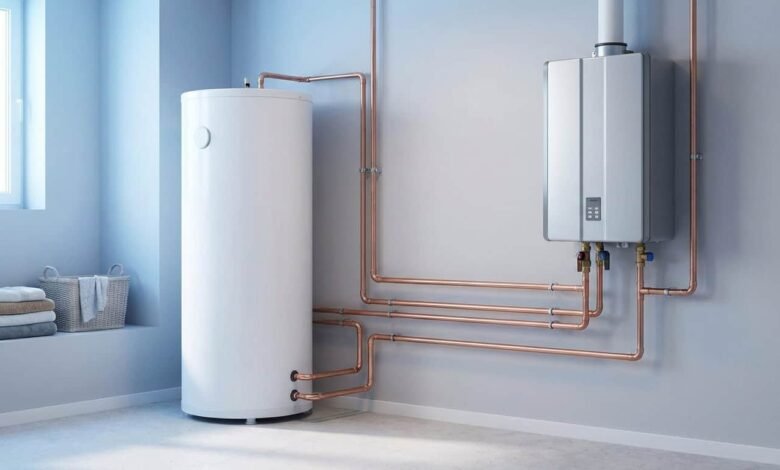
Replacing a water heater is one of those projects that looks simple until you get into the details. Capacity, recovery rate, vent routing, electrical supply, condensate management, and even water quality can all dictate what will work in your house. In North Georgia’s mix of slab-on-grade homes, attic installs, and garage mechanical rooms, the best result comes from making decisions in the right order. This article walks homeowners through a step-by-step way to choose between tank and tankless units, determine realistic capacity, and select a safe, serviceable location without guesswork.
- Measure Peak Use: First Hour Rating vs. Tankless GPM
Start with demand, not brand or fuel. For storage tanks, the first hour rating combines tank size and burner or element recovery to predict how many gallons of hot water you can draw in the busiest hour. For tankless units, look at gallons per minute at a given temperature rise. Build a quick picture of peak use: simultaneous showers, a laundry cycle, and a dishwasher run stack up differently than a single soaking tub fill in the evening. Match this peak to an FHR or GPM that clears your busiest hour with a little headroom, not so much that you pay to heat unused capacity all year.
Local groundwater temperatures and pipe runs change real-world output, especially for on-demand units, which heat to a set temperature above incoming cold. During colder months, the same tankless can deliver less GPM at the target setpoint than in summer. Homeowners planning Water Heater Installation in Flowery Branch often find two distinct scenarios dictate sizing: a family with consecutive morning showers and laundry needs a higher FHR or GPM than a household with fewer occupants and occasional guests but a large whirlpool tub. Oversizing reduces shortfalls but costs more up front and can add standby losses for tanks; undersizing invites tepid showers during peak periods.
- Fuel and Venting Will Narrow the Realistic Options
Fuel availability shapes what is practical. Gas opens the door to tanks with high recovery rates and tankless units with high BTU ratings, but only if the gas line is sized to the appliance input and length of run. Long branches or undersized piping can starve a tankless, causing nuisance shutdowns or poor temperature stability. Venting is another constraint: tanks with atmospheric venting typically need a lined chimney or B vent, while power vent and direct vent models can route through walls or roofs with approved materials. Condensing units often allow PVC venting and produce condensate that must be drained properly.
All electric options avoid combustion venting but require adequate service capacity and a dedicated 240 volt circuit. Heat pump water heaters add efficiency and can dehumidify a garage or utility room, yet they need sufficient air volume and clearances and can cool the surrounding space. If the only feasible location lacks easy vent routing for gas, an electric or heat pump unit may fit better. If the panel is maxed out, a gas appliance with accessible venting may be simpler. The right choice reflects real constraints in your walls, ceiling cavities, and breaker panel, not just the yellow energy label.
- Attic, Garage, or Closet: Site Requirements That Avoid Headaches
Placement drives both risk and serviceability. An attic install saves floor space but raises stakes for leaks. Use a drain pan sized to the tank footprint with a dedicated drain to the exterior, and consider a water leak detector or pan float switch. The temperature and pressure relief valve discharge must terminate at an approved location, never capped. Condensing tankless and high-efficiency tanks generate condensate that needs a trapped drain line, neutralizer where required, and protection against freezing if routed through an unconditioned space.
Garages and closets trade different constraints. A garage offers easy access and shorter vent runs, but vehicles, stored items, and elevations required by code may limit placement. A closet near bathrooms shortens waits for hot water, yet combustion appliances need adequate makeup air. If grilles, louvered doors, or ducted combustion air are not feasible, a sealed combustion direct vent model that pulls air from outdoors can solve the issue. One common scenario is a bedroom conversion that shrinks a former utility area; in that case, a direct vent tankless with concentric intake and exhaust can maintain safe combustion without borrowing indoor air.
- Water Quality, Expansion, and Routine Care
Water quality affects output and lifespan. Hard water promotes scale on tankless heat exchangers and inside tank surfaces, raising energy use and reducing flow. A sediment filter, softener, or cartridge that inhibits scale can protect the appliance. Plan for maintenance access: tankless units need isolation valves for annual descaling with a pump and cleaning solution, and storage tanks benefit from periodic sediment flushing through the drain valve. Checking or replacing the anode rod on a tank can delay corrosion and extend service life.
Thermal expansion deserves attention in homes with a check valve or pressure-reducing valve on the main. Without an expansion tank correctly sized and pressurized to match house pressure, heated water has nowhere to go, which can cause dripping relief valves or stress on fixtures. Pressure that routinely spikes beyond the heater’s intended operating range will show up as mysterious valve leaks long before the heater fails. Addressing water quality and expansion at installation time prevents callbacks and keeps recovery rates closer to factory specs.
Safety Devices and Details Inspectors Look For
Several small parts carry big safety weight. The temperature and pressure relief valve must be the correct rating for the unit and piped in an approved material with proper slope and termination. Dielectric unions help prevent galvanic corrosion where copper meets steel nipples. Units fired by gas typically require a sediment trap, sometimes called a drip leg, to catch debris before it reaches the burner. Combustion appliances should be paired with carbon monoxide alarms in the living space. Set water temperature around 120 degrees Fahrenheit to balance scald protection with hygiene; if you need extra effective capacity from a smaller tank, a thermostatic mixing valve allows storing water hotter while delivering safer temperatures at the tap.
Permits and inspections are not just red tape. A permit triggers a neutral safety check on vent pitch and support, clearances to combustibles, earthquake strapping where required by local rules, relief valve piping, gas leak testing, and electrical bonding and grounding. Inspectors also verify that condensate drains are trapped and directed to a proper receptor. Skipping these details can void warranties, risk property damage, or, in worst cases, create health hazards that are invisible day to day.
The most suitable water heater projects follow a simple sequence. Define peak hour hot water use, then confirm which fuels and vent paths are feasible, and choose a site with proper drainage, clearances, and combustion air. Address water quality and thermal expansion so the unit keeps performing like new, and complete safety details that pass inspection the first time. Approach the job with this order of operations, and you will land on a properly sized installation that complies with applicable codes and delivers steady hot water with fewer surprises in the years ahead.