Artificial Zoo: What This Concept Really Means and Why It’s Gaining Attention

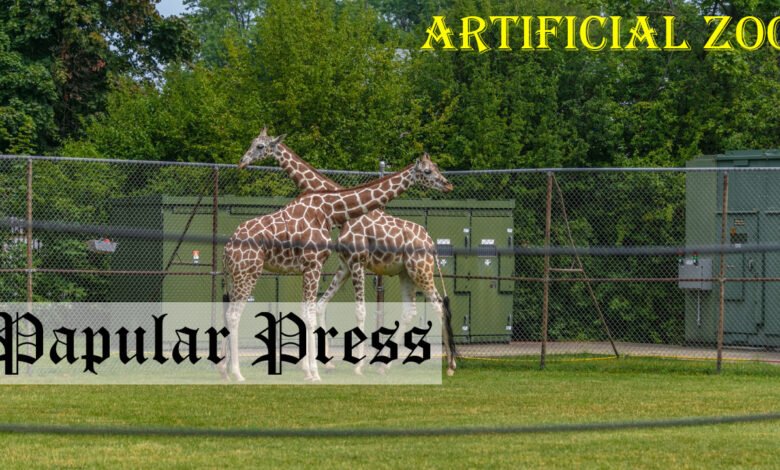
An artificial zoo refers to a wildlife exhibit that replaces some or all of its living animals with robotic, animatronic, or otherwise synthetic substitutes, and this idea has moved from a novelty exhibit concept into a genuinely active area of scientific and ethical debate. Rather than a single company or product, the term describes a broad category of real projects, research questions, and public exhibits that are reshaping how people think about the future of zoos and animal encounters. This guide explains what an artificial zoo actually involves, the real projects behind the concept, and the genuine debate over whether robots should replace living animals in captivity.
What Does the Term Artificial Zoo Actually Describe?
An artificial zoo is not a single named institution but rather a general category covering any wildlife exhibit built around robotic or animatronic animals instead of, or alongside, living creatures. This includes traveling exhibitions like The Robot Zoo, which uses giant mechanical models to demonstrate how real animal bodies function, as well as more experimental efforts exploring lifelike robotic dolphins, insects, and other creatures designed to mimic natural behavior closely enough to substitute for a living animal in an educational or entertainment setting.
Real Exhibits Already Using This Concept
Several genuine, documented exhibitions already apply the artificial zoo concept in practice. The Robot Zoo exhibition, which has traveled to science centers and museums, uses oversized mechanical animal models to show visitors the internal mechanics behind real animal movement and anatomy. Some zoos and aquariums have also introduced giant robotic insects, such as butterflies and bees, as supplementary exhibits alongside their living animal collections, giving visitors an engaging way to learn about anatomy and behavior without disturbing live animals.
Why Researchers Are Taking Robotic Animal Replacements Seriously
Beyond entertainment focused exhibits, academic researchers have published peer reviewed work examining the ethics of animal like robots and their potential role in reducing animal captivity. This research explores genuinely difficult questions, including whether a sufficiently advanced robotic dolphin or other animal could provide a comparable educational and emotional experience for visitors while avoiding the welfare concerns associated with keeping large, intelligent animals in captivity long term.
The Case for Artificial Zoos
Advocates for expanding the artificial zoo concept point to several genuine benefits. Robotic exhibits eliminate concerns about captive animal welfare entirely, since no living creature is confined for public display. They can also be engineered to demonstrate specific anatomical or behavioral details more clearly than a living animal would allow, and they remove the ongoing veterinary, dietary, and enclosure costs associated with maintaining live animal populations, particularly for species that are difficult or expensive to keep in captivity responsibly.
The Case Against Fully Replacing Living Animals
Critics of a fully artificial zoo model raise equally genuine concerns. Many argue that no robotic substitute can currently replicate the unpredictable, genuinely alive quality of encountering a real animal, an experience many researchers believe plays an important role in building public empathy and support for conservation. There is also concern that normalizing artificial substitutes could reduce public engagement with the urgent, real world conservation challenges facing endangered species, since a robotic exhibit carries no direct stake in a species’ actual survival in the wild.
How This Debate Connects to Broader Animal Welfare Discussions
The artificial zoo concept sits within a larger, ongoing conversation about the ethics of keeping wild animals in captivity generally, a debate that has intensified as public and scientific scrutiny of traditional zoo and aquarium practices has grown in recent years. Some researchers view robotic animals not as a wholesale replacement for living creatures but as a complementary tool that could allow certain particularly sensitive or endangered species to be phased out of direct public display while still offering an educational experience.
What Makes a Robotic Exhibit Convincing
The technical challenge behind any artificial zoo exhibit lies in making the robotic animal convincing enough to hold visitor attention and interest. Engineers working on projects like robotic dolphins have focused heavily on replicating natural swimming motion, skin texture, and even simulated breathing patterns, since visitors are quick to notice mechanical stiffness or unnatural movement that breaks the illusion of encountering something alive.
How to Tell a Genuine Artificial Zoo Project From Vague Content
Because “artificial zoo” describes a real but still developing category rather than one specific company or brand, it is worth being alert to vague online content that uses the phrase without pointing to any specific exhibit, research project, or institution. Genuine coverage of this topic will typically name a specific exhibition, a specific research paper or institution, or a specific zoo or aquarium piloting robotic exhibits, rather than describing the concept only in broad, promotional terms.
What the Future Might Look Like
Most researchers and zoo professionals currently view artificial zoos as a complement to, rather than a full replacement for, traditional living animal exhibits, at least for the foreseeable future. Genuine progress in robotics and materials science continues to make animatronic exhibits more convincing and more affordable, suggesting the concept will likely expand gradually rather than triggering an abrupt, wholesale shift away from living animal collections at established zoos and aquariums.
Why This Topic Matters Beyond Novelty Value
Understanding the real debate behind artificial zoos matters because it touches on genuinely important questions about animal welfare, conservation funding, and how the public forms an emotional connection to wildlife. As robotic technology continues improving, the choices zoos and aquariums make about incorporating artificial exhibits will likely shape how future generations experience and learn about the natural world.
What Museum and Science Center Visitors Can Learn From These Exhibits
Beyond the entertainment value, artificial zoo exhibits are often deliberately designed as teaching tools, giving visitors a chance to see mechanisms that would otherwise be hidden inside a living animal’s body. A giant mechanical model of a grasshopper’s legs, for example, can demonstrate the specific muscle and joint arrangement that allows the real insect to jump many times its own body length, a detail that would be impossible to observe directly in a living specimen without specialized equipment. Coverage of science and technology exhibits from established outlets regularly highlights this kind of educational value as one of the strongest arguments in favor of expanding artificial zoo style exhibits at museums and science centers.
How Funding and Conservation Priorities Shape This Debate
Zoos and aquariums operate under real budget constraints, and decisions about whether to invest in expensive robotic exhibits or continue funding the care of living animal collections often come down to genuine financial tradeoffs rather than purely philosophical ones. Some conservation focused organizations have begun exploring whether funds saved by replacing certain difficult to care for species with robotic substitutes could be redirected toward habitat protection and field conservation work, a genuinely significant consideration in an industry where conservation funding is often limited relative to the scale of the challenges facing wild animal populations.
Conclusion
An artificial zoo is a real and actively developing concept describing wildlife exhibits built around robotic or animatronic animals rather than living creatures, supported by genuine exhibitions like The Robot Zoo and serious academic research into the ethics of animal like robots. The debate over whether these substitutes can or should replace living animals in captivity remains genuinely unresolved, balancing real welfare benefits against concerns about weakening the emotional and educational power of encountering a living animal. Readers interested in this topic should look for specific, named exhibits and peer reviewed research rather than vague general claims about the concept.
A Quick Recap of the Key Points
To summarize, artificial zoos describe a genuine and growing category of robotic and animatronic wildlife exhibits, supported by real projects like The Robot Zoo and serious academic research into animal welfare ethics, with an active and unresolved debate over how far this substitution should eventually go.
What to Watch for as This Field Develops
Anyone following the artificial zoo concept going forward should watch specifically for named institutions announcing concrete pilot programs, published research results, or specific new exhibits, rather than general trend pieces describing the idea in the abstract. Established science and technology journalism outlets tend to cover genuine developments in this space with specific, checkable details about the institutions and researchers involved, offering a considerably more reliable way to track real progress than vague online content repeating the same general concept without new, verifiable substance.
Why Children Often Respond Differently to Robotic Exhibits
Educators who have observed visitor behavior around robotic animal exhibits note that children sometimes engage with them differently than they do with living animals, occasionally asking more direct questions about how a mechanism works rather than simply observing quietly, since a robotic exhibit invites a more explicitly curious, hands on kind of engagement. This difference does not necessarily make one type of exhibit better than the other, but it does suggest robotic exhibits may serve a genuinely distinct educational purpose rather than simply acting as a lesser substitute for a living animal encounter.
A Final Practical Reminder
Whenever you come across content describing an artificial zoo, remember to look for a specific, named exhibit, research paper, or institution rather than accepting the general concept at face value, since a genuinely well documented development in this field will always be traceable to a specific, checkable source rather than vague, general trend language alone.
Why This Debate Will Likely Continue for Years
Given the genuine complexity of the ethical, financial, and educational questions involved, the debate over artificial zoos is unlikely to resolve quickly or decisively in either direction. Instead, most observers expect a gradual, uneven expansion of robotic exhibits alongside continued living animal collections, with individual institutions making their own decisions based on their specific budgets, conservation priorities, and audience expectations, rather than any single industry wide standard emerging in the near future.
Why Curiosity About This Topic Is Worth Encouraging
Genuine interest in how zoos might evolve over the coming decades reflects a broader, healthy public engagement with questions about animal welfare and conservation that deserve serious attention regardless of which direction the artificial zoo concept ultimately takes. Readers who follow this topic through specific, verifiable sources rather than vague trend content will be better equipped to form their own informed view as real projects and research continue to develop.
A Closing Thought on Balancing Innovation and Tradition
Zoos have always evolved alongside changing public expectations, moving away from small barred cages toward larger, more naturalistic enclosures over past decades, and the artificial zoo concept may represent simply the next stage in that same long running evolution rather than a sudden, radical break from tradition. Viewed this way, the current debate looks less like a battle between technology and nature and more like a continuation of the same underlying question zoos have always faced, how to balance genuine animal welfare with a meaningful, educational visitor experience.
Frequently Asked Questions
What is an artificial zoo?
It refers to a wildlife exhibit or concept that uses robotic or animatronic animals instead of, or alongside, living creatures, rather than one specific named institution.
Are there real examples of artificial zoos today?
Yes, exhibitions like The Robot Zoo and robotic insect and dolphin projects at various science centers and aquariums are genuine, documented examples of this concept in practice.
Why are some researchers studying robotic zoo animals?
Researchers are examining whether robotic substitutes could reduce animal welfare concerns associated with captivity while still providing an educational and emotionally engaging experience for visitors.
Could robots fully replace living animals in zoos?
Most experts currently view artificial exhibits as a complement to living animal collections rather than a full replacement, given ongoing debate over whether robots can replicate the value of encountering a real, living creature.
What are the main criticisms of artificial zoos?
Critics argue that robotic substitutes cannot fully replicate the emotional and educational impact of live animals and worry that normalizing artificial exhibits could reduce public engagement with real conservation challenges.