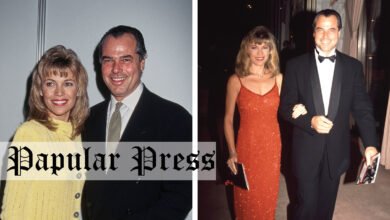
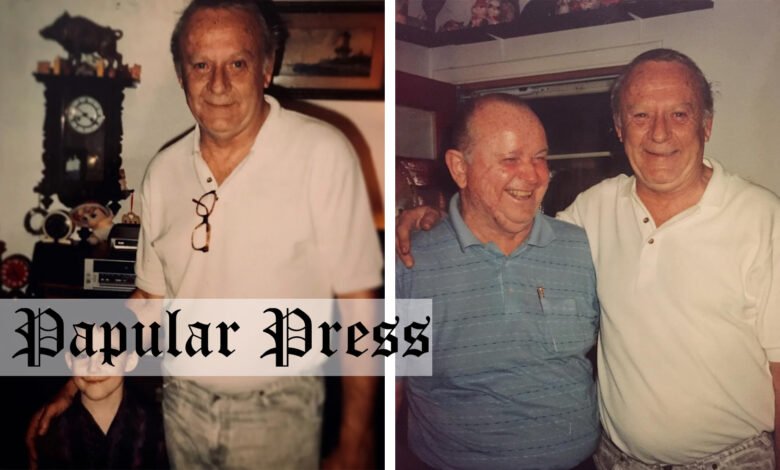
Larry Linville remains one of television’s most memorable supporting actors, best remembered for his portrayal of the pompous, hapless Major Frank Burns on the long-running series M*A*S*H. Born Lawrence Lavon Linville, he was the son of Harry Lavon Linville and Fay Pauline Linville (née Kennedy), and his journey from a small California town to Hollywood stardom is a story of talent, discipline and quiet reinvention. This article traces his upbringing, his rise on stage and screen, his family life and the legacy he left behind after his death in 2000.
Detailed Bio Table
| Category | Details |
|---|---|
| Full name | Lawrence Lavon “Larry” Linville |
| Date of birth | 29 September 1939 |
| Place of birth | Ojai, California, United States |
| Date of death | 10 April 2000 |
| Place of death | New York City, New York, United States |
| Age at death | 60 |
| Father | Harry Lavon Linville |
| Mother | Fay Pauline Linville (née Kennedy) |
| Education | El Camino High School; University of Colorado, Boulder; Royal Academy of Dramatic Art (RADA), London |
| Occupation | Actor |
| Years active | 1960 to 2000 |
| Best known for | Major Frank Burns in M*A*S*H (1972 to 1977) |
| Spouses | Five marriages, including Kate Geer (1962 to 1975) |
| Children | Kelly Linville (born 1970) |
| Notable works | M*A*S*H, The Love Boat, Fantasy Island, The Jeffersons, Paper Dolls, Murder She Wrote, Night Court, ER |
| Cause of death | Pneumonia, following complications from cancer surgery |
Early Life and Family Background
Larry Linville was born on 29 September 1939 in Ojai, a small town in Ventura County, California. He was the son of Harry Lavon Linville and his wife, Fay Pauline Kennedy. The family later moved to Sacramento, where young Larry grew up and attended El Camino High School, graduating with the class of 1957.
His interests as a teenager leaned more towards science than the stage. Linville enrolled at the University of Colorado at Boulder to study aeronautical engineering, a field far removed from the acting career that would eventually define his life. Somewhere along the way, however, the pull of performance proved stronger than his interest in aircraft design.
That pull led him to apply for a scholarship at the prestigious Royal Academy of Dramatic Art (RADA) in London, one of the most respected drama schools in the world. Winning a place there marked the true beginning of his acting journey and gave him a rigorous, classical grounding in stagecraft that would serve him for decades.
Training and Early Acting Career
After completing his studies in London, Linville returned to the United States and began building his craft in regional theatre. He joined the Barter Theater in Abingdon, Virginia, a respected year-round repertory company under the direction of Robert Porterfield. This stage experience gave him the discipline and range that later translated smoothly to television work.
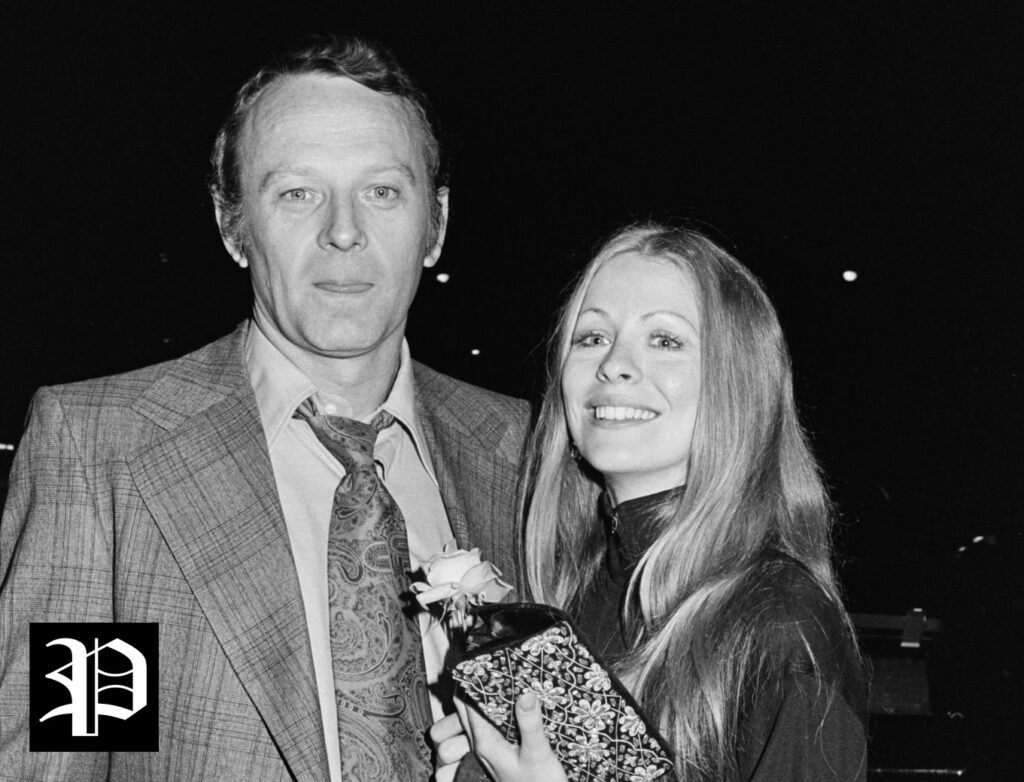
His early screen career began in the late 1960s with small guest roles on established American series. He appeared in episodes of Marcus Welby, M.D. and Bonanza, gradually building a reputation as a dependable character actor. One of his more notable early parts came as a police officer on the crime drama Mannix, a role that helped him gain wider industry recognition before his breakout came in the early 1970s.
These formative years were not glamorous, but they were essential. Linville spent nearly a decade honing his timing and stage presence before the role that would make him a household name arrived.
The Role That Defined Him: Frank Burns in M*A*S*H
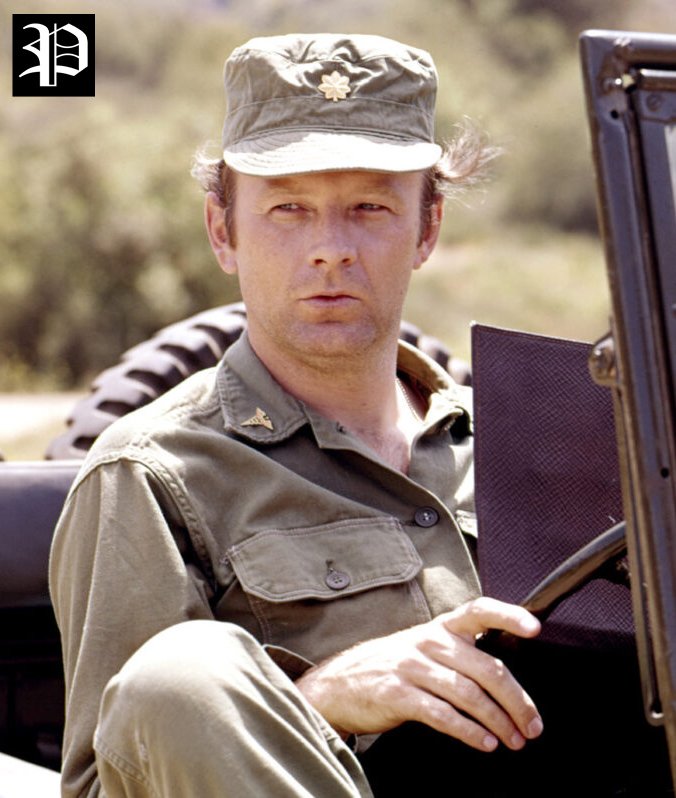
In 1972, Linville signed a five-year contract to join the cast of M*A*S*H, the CBS television series based on the Korean War comedy-drama. He was cast as Major Frank Burns, an ill-tempered, self-righteous and often inept army surgeon whose overzealous devotion to military rules made him a constant target of ridicule from his colleagues. The character had originally been portrayed by Robert Duvall in the 1970 feature film, but it was Linville’s television version that became iconic to millions of viewers.
Frank Burns was designed to be unlikeable, and Linville played the part with a comic precision that turned a one-note antagonist into a beloved fixture of the show. His on-screen nickname, “Ferret-Face,” was coined not by the writers but by his own brother, a detail that speaks to the sense of humour Linville carried into his work. Despite playing such a divisive character, he built genuine friendships with his castmates, particularly Gary Burghoff, who later described him as a “renaissance man” with wide-ranging interests, including a passion for aviation that echoed his earlier academic pursuits.
By his fifth season, Linville felt he had exhausted what the character had to offer. He later explained that he chose not to renew his contract because he felt he had done everything possible with the role. He also noted that the final season had been particularly difficult, as his character had lost the comedic partnership with Loretta Swit’s Hot Lips Houlihan, leaving Frank to absorb the show’s jokes largely on his own. He departed the series in 1977, six years before it eventually ended, without a proper farewell episode. His character’s exit was explained in the following season’s premiere through an offscreen storyline involving a breakdown and transfer to a veterans’ hospital.
Life After M*A*S*H
Leaving a hit series is a gamble for any actor, and Linville never again reached the same level of fame after departing M*A*S*H. That said, his career remained active and varied. He took on the lead role of Major General Kevin Kelley in the short-lived series Grandpa Goes to Washington, and he made frequent guest appearances on popular shows of the era, including The Love Boat, Fantasy Island, where he played a bumbling genie trapped in a bottle, and The Jeffersons, in which he appeared as a hotel executive.
He also returned to the world of Bonanza-style Westerns and crime dramas periodically, and took on a memorable dramatic guest role in the acclaimed mystery series Murder, She Wrote, working opposite Angela Lansbury. In the 1980s, he starred in the ABC drama Paper Dolls, which offered viewers a glimpse behind the scenes of the fashion industry. He later appeared on Night Court in 1991 and made a guest appearance on ER in 1994, showing his continued willingness to take on smaller character roles well into his later career.
Linville never became a series regular again in the way he had been on M*A*S*H, but he consistently worked as a jobbing actor with more than seventy acting credits to his name by the end of his life. His final screen performance came in the 2004 comedy West from North Goes South, released posthumously.
Personal Life and Family
Larry Linville’s personal life included five marriages over the course of his adult life. One of his most notable relationships was with actress Kate Geer, whom he married in April 1962. Geer was the daughter of actor Will Geer and sister of actress Ellen Geer, placing Linville firmly within a well-connected theatrical family. The couple had a daughter, Kelly Linville, born in January 1970, who went on to become a photographer and unit still technician in Los Angeles. Linville and Geer divorced in 1975.
Kelly Linville was his only child, and by most accounts, Linville maintained a private but caring family life away from the spotlight that his television fame brought him. Colleagues who worked alongside him consistently described a personality at odds with his on-screen persona. Where Frank Burns was petty, selfish and cowardly, Linville himself was remembered as courteous, open-minded and genuinely well-liked by those around him.
Health Struggles and Death
In February 1998, doctors discovered a malignant tumour beneath Linville’s sternum, and he underwent surgery to remove part of his lung. The procedure marked the beginning of a two-year health battle that he faced largely out of the public eye. Complications from the cancer surgery eventually led to pneumonia, and Larry Linville died at Memorial Sloan Kettering Cancer Center in New York City on 10 April 2000, at the age of sixty.
His passing made him the second member of the original M*A*S*H cast to die, following the death of McLean Stevenson in 1996. Fellow cast member Alan Alda spoke warmly of him following his death, remembering him as a talented actor who had made audiences love to hate his character, a testament to the skill Linville brought to a role that could easily have felt one-dimensional in less capable hands.
Legacy and Recognition
More than two decades after his death, Larry Linville is still fondly remembered by fans of classic television. M*A*S*H remains one of the most acclaimed and awarded series in American television history, and Frank Burns is widely regarded as one of its most memorable supporting characters. Linville’s performance helped shape the tone of the show’s earlier, more comedic seasons, and his interplay with the rest of the ensemble cast remains a touchstone for fans revisiting the series today.
Beyond M*A*S*H, his body of work across drama, comedy and guest appearances reflects a working actor’s dedication to his craft over several decades. His story, from an aspiring aeronautical engineer to a classically trained RADA graduate and finally to a beloved television character actor, illustrates a career built on versatility rather than a single stroke of luck.
Conclusion
Larry Linville’s career proves that a single well-crafted role can define an actor’s legacy while never fully capturing the person behind it. As the son of Harry Lavon Linville, he moved from a quiet Californian upbringing to classical training in London and, eventually, to television history through his portrayal of Frank Burns. Though his life was cut short at sixty, his contribution to one of America’s most celebrated television series continues to resonate with audiences today.
Frequently Asked Questions
1. Who was Larry Linville?
Larry Linville was an American actor best known for playing Major Frank Burns in the television series M*A*S*H between 1972 and 1977.
2. Who was Larry Linville’s father?
His father was Harry Lavon Linville. His mother was Fay Pauline Linville, née Kennedy.
3. Where was Larry Linville born?
He was born in Ojai, California, on 29 September 1939, and raised in Sacramento.
4. Why did Larry Linville leave M*A*S*H?
He chose not to renew his five-year contract after the fifth season, feeling he had done everything possible with the character of Frank Burns.
5. Did Larry Linville study acting formally?
Yes. After studying aeronautical engineering at the University of Colorado, he won a scholarship to the Royal Academy of Dramatic Art in London.
6. What other shows did Larry Linville appear in?
Beyond M*A*S*H, he appeared in The Love Boat, Fantasy Island, The Jeffersons, Paper Dolls, Murder She Wrote, Night Court and ER, among others.
7. Was Larry Linville married?
He was married five times, including a marriage to actress Kate Geer from 1962 to 1975, with whom he had a daughter.
8. Did Larry Linville have children?
Yes, he had one child, a daughter named Kelly Linville, born in 1970, who became a photographer.
9. How did Larry Linville die?
He died of pneumonia on 10 April 2000, following complications from surgery to remove a malignant tumour beneath his sternum.
10. What was Larry Linville really like compared to his character?
Unlike the selfish and cowardly Frank Burns, colleagues described Linville as kind, courteous and well-liked on set.