Give Your Garage the Comeback It Deserves With a Coating That Actually Holds Up

Few spaces in a home take as much daily abuse as the garage floor. Hot tires roll across it, oil drips onto it, and heavy tools get dragged over every inch of its surface. Over time, even the toughest concrete starts to crack, stain, and crumble under the pressure. If your garage floor looks more like a battlefield than a functional space, it might be time to rethink how you’re protecting it.
At Carbon Concrete Coatings, we believe your garage should work as hard as you do, without falling apart in the process. That’s why more homeowners are turning away from traditional epoxy and toward a tougher, longer-lasting alternative that can handle whatever life throws at it.
This post breaks down what makes a high-performance floor coating different, why it matters for your home, and how the right solution can completely change the way you use your garage.
Why Does Your Garage Floor Wear Out So Quickly?
Concrete is strong, but it’s also porous. That means it naturally absorbs moisture, oil, and chemicals over time. Add in temperature swings, constant foot traffic, and the weight of vehicles, and you’ve got a recipe for cracking, pitting, and discoloration.
Untreated concrete floors also tend to produce dust, especially as the surface breaks down. This dust can spread throughout your home, settle on stored items, and even affect indoor air quality. On top of that, bare concrete offers zero resistance to hot tire pickup, a common issue where tires leave permanent marks or cause the surface to lift.
Without a protective layer, your garage floor is essentially left to fend for itself against daily wear and tear. That’s a losing battle.
What Makes a High-Performance Coating Different From Standard Options?
Not all floor coatings are created equal. Many homeowners default to epoxy because it’s widely available and affordable, but epoxy comes with real limitations. It can yellow under UV exposure, take days to cure, and often struggles with temperature resistance.
A polyaspartic-based formula solves many of these problems at once. Polyaspartic coatings cure significantly faster than epoxy, often within hours rather than days, which means less downtime for your garage. They also resist UV damage, so your floor won’t turn yellow or fade after sitting in direct sunlight for months.
Durability is where this type of coating truly stands out. It’s formulated to withstand impact, abrasion, and chemical exposure far better than traditional alternatives, making it a smart choice for garages that see heavy daily use.
How Does a Coated Floor Improve Everyday Life in the Garage?
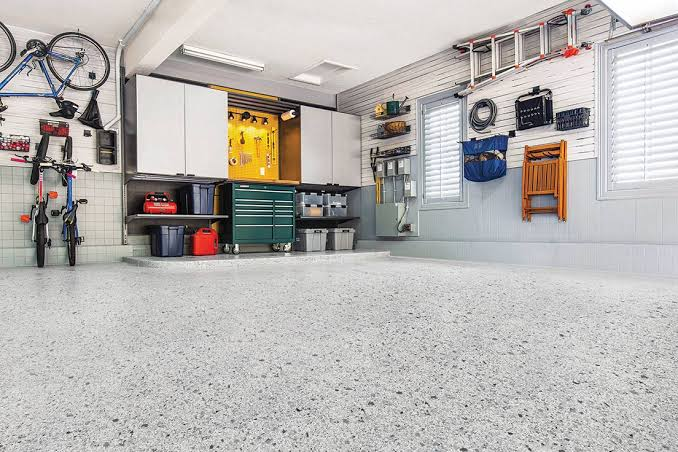
Beyond protection, a coated floor changes how a space feels and functions. A smooth, seamless finish makes it easier to sweep up debris, wipe away spills, and keep the area looking clean without constant scrubbing.
For homeowners who use their garage as a workshop, home gym, or extra storage area, a coated floor provides a stable, slip-resistant surface that holds up to foot traffic and equipment alike. It also adds a polished look that can boost curb appeal if your garage door is ever left open for guests or potential buyers to see.
There’s also a practical financial upside. A well-protected concrete floor is less likely to crack or deteriorate, which means fewer repair costs down the road. Think of it as an investment that pays for itself through reduced maintenance over time.
What Should You Look for in a Quality Floor Coating?
When comparing options, a few factors make a real difference in long-term performance:
- Cure time: Faster curing means your garage is back in use sooner.
- Chemical resistance: Look for coatings that resist oil, gasoline, and household cleaners without staining.
- UV stability: A coating that resists yellowing will keep your garage looking fresh for years.
- Impact and abrasion resistance: Heavy tools, dropped equipment, and daily traffic shouldn’t chip or wear down the surface.
- Slip resistance: A textured finish adds safety, especially in garages that get wet from rain or snow runoff.
These details might seem small, but they add up to a floor that performs well long after installation.
Why Professional Installation Makes a Measurable Difference
While DIY kits exist, professional application typically delivers better, longer-lasting results. A long-lasting polyaspartic garage floor coating designed to resist stains, chips, and fading starts with proper surface preparation, something that’s easy to get wrong without the right tools and experience.
At Carbon Concrete Coatings, our process begins with thorough diamond grinding to open the concrete’s pores and remove any existing coatings or contaminants. This step is critical because a coating applied to an improperly prepped surface is far more likely to peel or bubble over time. From there, we apply multiple layers formulated for maximum adhesion and durability, followed by a topcoat that locks in the finish and adds resistance to scuffs and chemicals.
The result is a floor that not only looks professionally finished but performs that way too, standing up to years of use without the cracking or fading that plagues lower-quality applications.
Making the Right Choice for Your Garage
Choosing a floor coating isn’t just about appearance. It’s about protecting an investment in your home and making daily life easier, whether you’re parking cars, running power tools, or turning your garage into a functional living space.
If your current floor is cracked, stained, or simply outdated, it may be time for an upgrade that’s built to last. A professionally installed, high-performance coating can transform both the function and feel of your garage, giving you a surface that’s easier to maintain and tougher against everyday wear.
Ready to see the difference a durable, expertly applied coating can make? Reach out to Carbon Concrete Coatings today for a consultation and take the first step toward a garage floor that works as hard as you do.
Frequently Asked Questions
How long does a polyaspartic coating take to cure?
Most polyaspartic coatings cure within a matter of hours, allowing garages to return to normal use much faster than traditional epoxy, which can take several days.
Will the coating crack if my garage gets extremely hot or cold?
A properly applied coating is designed to flex slightly with temperature changes, helping it resist cracking even in garages that experience seasonal extremes.
Can this type of coating handle oil and chemical spills?
Yes. One of the key benefits of this coating type is strong resistance to oil, gasoline, and common household chemicals, making cleanup simple and preventing permanent staining.
Is professional installation really necessary?
While DIY kits are available, professional installation ensures proper surface preparation and application, which significantly extends the lifespan and appearance of the finished floor.