When Floodwaters Rise: How Fast Action Saves Your Home and Peace of Mind

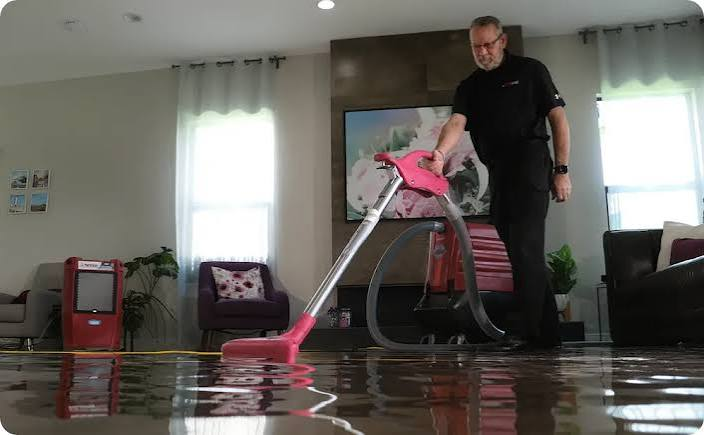
Water doesn’t knock before it enters your home. One burst pipe, one overflowing river, one relentless storm, and suddenly the place you’ve built your life around is unrecognizable. Carpets soak through, drywall swells, and the smell of mildew creeps in before you’ve even had time to process what happened.
If you’ve ever stood in ankle-deep water staring at ruined furniture, you know the panic that sets in. What do you save? Who do you call? How much is this going to cost you? These questions matter, but the most important one is simpler: how fast can you get help?
That urgency is exactly why Redeeming Restoration exists. This isn’t a guide full of generic tips you could find anywhere. It’s a look at what actually happens when water damage strikes, why timing changes everything, and how the right restoration team turns a nightmare into a manageable problem.
Why Every Hour Matters After Water Damage
Water doesn’t sit still. Within minutes, it spreads into flooring, baseboards, and furniture. Within hours, drywall starts to swell and metal surfaces begin to tarnish. By the 24-to-48-hour mark, mold spores are already finding a foothold in damp, dark corners.
This is the part homeowners often underestimate. Water damage isn’t a single event, it’s an escalating process. The longer standing water sits, the more structural materials absorb it, and the more expensive the repairs become. A problem that could have been solved with extraction and drying on day one can turn into subfloor replacement and mold remediation by day five.
That’s why professional response time isn’t a convenience. It’s the difference between a quick recovery and a months-long rebuild.
What Happens During Professional Flood Cleanup?
A lot of homeowners picture flood cleanup as simply vacuuming up water and setting out a few fans. The reality involves far more precision.
Assessment and water extraction. Technicians first identify the source and category of water (clean, gray, or black) since each requires different handling. High-powered pumps and extraction equipment then remove standing water quickly, minimizing how much gets absorbed into building materials.
Drying and dehumidification. Industrial air movers and dehumidifiers target hidden moisture in walls, subfloors, and insulation. This step is where DIY efforts typically fall short, since a few fans from the hardware store can’t match commercial-grade drying equipment.
Sanitization. Floodwater often carries contaminants, bacteria, and debris. Thorough cleaning and antimicrobial treatments protect your family’s health and prevent lingering odors.
Restoration and repairs. Once everything is dry and sanitized, the rebuilding phase begins, replacing damaged drywall, flooring, or fixtures so your home looks and functions the way it did before the damage.
Each of these stages requires specialized equipment and trained judgment. Skipping steps, or rushing through them, is how homeowners end up dealing with mold six months down the road.
The Hidden Costs of Waiting Too Long
Delaying restoration doesn’t just risk mold. It compounds the financial toll of the original damage. Saturated drywall that could have been dried out within 48 hours often needs full replacement after a week. Wood flooring that warps from prolonged moisture exposure usually has to be torn out entirely rather than refinished.
There’s also the insurance angle to consider. Many policies require documented proof that reasonable steps were taken to prevent further damage. A delayed response can complicate a claim, even when the original flooding was clearly accidental.
Choose a fast restoration response if minimizing repair costs and protecting your insurance claim matter more than waiting to “see how bad it really is.” That decision alone can save thousands of dollars.
Why Local Expertise Makes a Difference
Flood damage doesn’t look the same everywhere. A coastal home dealing with saltwater intrusion faces different corrosion risks than an inland property recovering from a burst pipe. Local restoration teams understand regional building codes, common construction materials, and the specific climate conditions that affect drying times and mold risk.
This local knowledge shapes everything from which drying techniques to use to how quickly mold is likely to develop given regional humidity levels. It’s one of the reasons working with an established, community-rooted restoration company tends to produce better long-term outcomes than relying on a generic national hotline.
Restoring More Than Just Your Property
Flood damage is stressful for reasons that go beyond the physical mess. Homes hold memories, routines, and a sense of stability. When that gets disrupted, people need more than someone to mop up water. They need a team that treats their home with the same care they would.
Count on round-the-clock emergency response paired with expert craftsmanship to get your home back to normal fast with Flood Damage Restoration services designed to handle every stage of recovery, from the first phone call to the final repair.
That combination of speed, skill, and genuine care is what separates a restoration experience that leaves you reassured from one that leaves you anxious. Technicians who communicate clearly, explain each step, and respect your space make an already difficult situation far more bearable.
Taking the First Step Toward Recovery
Nobody plans for a flood. But the choices made in the hours immediately after one happen largely determine how smooth, or how painful, the recovery process will be.
If your home has taken on water, don’t wait to see how it plays out. Reach out to a trusted restoration team right away, document the damage for your insurance provider, and let trained professionals handle the extraction, drying, and rebuilding process. Acting quickly protects both your property and your peace of mind.
Recovery is possible, and with the right team by your side, your home can feel like home again sooner than you think.