When the Pipes Burst at 2 A.M.: What Every Homeowner Should Know About Emergency Plumbing

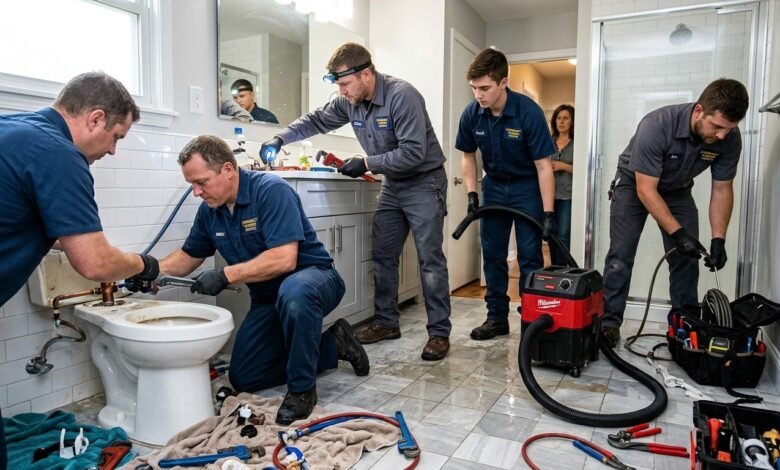
Plumbing disasters rarely wait for business hours. A burst pipe, an overflowing toilet, or a water heater that suddenly gives out can turn a quiet evening into a frantic scramble for towels and buckets. Knowing what to do in those first few minutes — and who to call — can mean the difference between a minor inconvenience and thousands of dollars in water damage.
This guide walks through the most common plumbing emergencies, what causes them, and how a fast response protects your home. By the end, you’ll know exactly how to recognize a true emergency and what steps to take before help arrives.
What Counts as a Plumbing Emergency?
Not every leaky faucet requires a midnight phone call, but some situations simply can’t wait. True plumbing emergencies include:
- Burst or severely leaking pipes that flood floors, walls, or ceilings
- Sewage backups, which pose serious health risks
- No hot water, especially during colder months
- Gas line leaks, which require immediate evacuation and professional response
- Overflowing toilets or clogged drains that won’t respond to a plunger
- Water heater failures that leak or stop working entirely
If water is actively damaging your home, or if you smell gas, these situations call for an urgent response — not a wait-and-see approach.
Why Fast Response Times Matter
Water damage compounds by the hour. A small leak behind a wall can soak insulation, warp flooring, and invite mold growth within 24 to 48 hours. The longer a leak goes unaddressed, the more expensive the repair becomes — not just for the plumbing itself, but for drywall, flooring, and personal belongings.
This is why homeowners should shut off the main water valve the moment they notice a serious leak, then call a licensed plumber right away. Acting quickly limits damage and often reduces the overall repair cost significantly.
Common Causes of Plumbing Emergencies
Understanding what triggers these situations can help homeowners catch problems before they escalate:
Aging Pipes and Corrosion
Older homes often have galvanized steel or outdated piping that corrodes over time, becoming prone to leaks and bursts.
Tree Root Intrusion
Tree roots naturally seek out moisture, and sewer lines are a prime target. Over time, roots can crack pipes and cause major backups.
Frozen Pipes
When temperatures drop, water inside pipes can freeze and expand, leading to cracks or complete ruptures once the ice thaws.
Clogged Drains and Septic Systems
Grease, hair, and foreign objects build up over time, eventually causing blockages that back up into sinks, tubs, and toilets.
Water Heater Wear and Tear
Sediment buildup and aging components can cause water heaters to leak or fail without warning.
What to Do Before Help Arrives
While waiting for a professional, a few quick steps can limit damage:
- Shut off the water at the main valve or the fixture closest to the problem.
- Turn off electricity to any affected areas if water is near outlets or appliances.
- Move valuables away from the affected area.
- Document the damage with photos for insurance purposes.
- Avoid using drain cleaners on major clogs, as they can damage pipes further.
These steps won’t fix the underlying issue, but they buy time and reduce the extent of the damage.
Choosing the Right Plumbing and Septic Partner
Not every plumbing company offers true around-the-clock service, and not every technician is equipped to handle complex septic issues alongside standard plumbing repairs. Homeowners should look for a team that combines licensed expertise with genuine responsiveness — someone who answers the phone at midnight just as readily as at noon.
Emergency plumbing services provide fast, dependable support when unexpected plumbing failures threaten your home, helping prevent minor issues from turning into costly disasters. Underwood Plumbing and Septic Services LLC understands that plumbing problems rarely happen at convenient times, which is why the team prioritizes rapid response, transparent pricing, and durable repairs instead of temporary fixes. From burst pipes to septic system backups, their experienced professionals bring the right tools and expertise to resolve problems correctly the first time, restoring comfort and peace of mind when you need it most.
Choosing a provider with both plumbing and septic expertise also means fewer headaches down the road. Instead of juggling multiple contractors for related issues, homeowners get a single, knowledgeable point of contact who understands how these systems work together.
Protecting Your Home for the Long Term
Beyond emergency repairs, routine maintenance plays a major role in preventing future crises. Scheduling regular inspections of pipes, water heaters, and septic tanks can catch small issues before they become expensive emergencies. A proactive approach — paired with a trusted plumbing partner — gives homeowners peace of mind that their systems are in good hands year-round.
When problems do arise, having a dependable team on call eliminates the stress of searching for help during an already difficult moment. That reliability is what separates a good plumbing experience from a frustrating one.
Ready When You Need Them Most
Plumbing emergencies are stressful, but they don’t have to be overwhelming. With a clear understanding of warning signs, a few smart first steps, and a trusted professional on call, homeowners can navigate even the most urgent situations with confidence.
For anyone facing a sudden leak, backup, or system failure, reaching out to a dependable local team makes all the difference. Underwood Plumbing and Septic Services LLC stands ready to help homeowners resolve issues quickly, protect their property, and restore peace of mind.
Frequently Asked Questions
How quickly should I call a plumber for a burst pipe?
Immediately. Shut off the main water valve first, then call a professional right away to prevent further damage.
Can I handle a plumbing emergency myself?
Minor clogs may be manageable with basic tools, but burst pipes, sewage backups, and gas leaks require professional attention to avoid safety risks and further damage.
What’s the difference between a plumbing emergency and a routine repair?
A routine repair can wait for a scheduled appointment, while an emergency involves active water damage, health hazards, or safety risks that need immediate attention.
Does homeowner’s insurance cover emergency plumbing repairs?
Many policies cover sudden, accidental damage like burst pipes, though coverage varies. It’s best to document the damage and check with your insurance provider.