Who Is William Edward Richmond? The Real Story of the Man Who Married Isabel Sanford

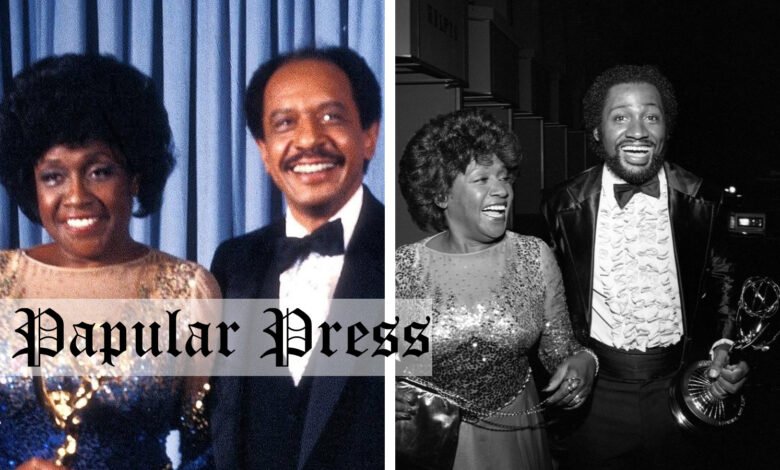
William Edward Richmond lived most of his life away from cameras, yet his name still surfaces whenever people research the personal history of his former wife, Emmy-winning actress Isabel Sanford. Richmond was a working-class house painter from New York who married Sanford in the mid-1940s, raised three children with her, and remained a private figure even as she became a household name through her role as Louise “Weezy” Jefferson on All in the Family and The Jeffersons. Because he never sought public attention, verified details about his own life are scarce, but the marriage itself, and what it reveals about the woman he married, is well documented. This article gathers the confirmed facts, addresses the common myths, and explains why Richmond continues to attract curiosity decades after his death.
William Edward Richmond: Quick Bio
| Detail | Information |
|---|---|
| Full name | William Edward Richmond |
| Nickname | Sonny |
| Best known as | First husband of actress Isabel Sanford |
| Occupation | House painter |
| Date of birth | Not publicly verified |
| Date of death | Not publicly verified |
| Nationality | American |
| Marriage | Married Isabel Sanford, c. 1945 |
| Marital status | Divorced/separated, c. 1960 |
| Children | Three, including daughter Pamela |
| Spouse’s profession | Actress, Emmy winner for The Jeffersons |
| Public appearances | None documented |
| Primary source of information | Isabel Sanford’s own interviews, notably Ebony magazine, 1980 |
Early Life and Background
Little verified information survives about William Edward Richmond’s childhood, parents or upbringing. No public birth records, school records or family archives have surfaced to confirm where or when he was born. This gap is not unusual for a private individual from that era; unlike his future wife, Richmond never pursued a public career, so no studio biography or press file was ever created about him.
What is known comes almost entirely from interviews Isabel Sanford gave later in life. She referred to her husband by the nickname “Sonny,” a detail that suggests a close, informal family dynamic rather than a distant or purely functional marriage. Several sources describe Richmond’s profession as a house painter, which places him firmly outside the entertainment industry that would come to define his wife’s public identity.
Richmond’s low public profile means most of what circulates online about him is secondhand, filtered through Sanford’s own recollections rather than his direct testimony. Readers should treat any specific birth or death date attributed to him with caution, since no primary source has been independently verified.
Marriage to Isabel Sanford
Richmond married Isabel Sanford, born Eloise Gwendolyn Sanford, in the mid-1940s in New York City. Sources place the wedding around 1945, during a difficult period in Sanford’s life when she had taken over her ailing mother’s cleaning job and had temporarily set aside her acting ambitions. The couple’s first daughter, Pamela, arrived shortly after they married, and two more children followed over the next several years, bringing their family to three children in total.
The marriage unfolded largely in New York during the 1950s, a decade Sanford later recalled with genuine warmth despite its hardships. In a 1980 interview with Ebony magazine, she described the family dynamic candidly, explaining that Richmond preferred to leave discipline to her rather than confront the children himself. She remembered him telling their children to “wait until your mother gets home” whenever they misbehaved, a habit she found both frustrating and amusing in hindsight.
Sanford painted herself as the stricter parent, joking that she was the household’s “ogre” while Richmond avoided confrontation with their children. This picture of a soft-spoken, non-confrontational husband is consistent across the handful of interviews where Sanford discussed her marriage, and it remains the clearest window available into Richmond’s personality.
Despite these warm domestic memories, Sanford was equally candid that the marriage struggled beneath the surface. She and Richmond, by her own account, could not see “eye to eye” on fundamental matters, and she eventually concluded that raising their three children alone would be better for everyone involved.
Separation, Divorce and Later Years
The marriage between Richmond and Sanford came to an end around 1960, the same year Sanford made a pivotal decision to leave New York for Los Angeles with her three children in search of better opportunities, both for herself and for her family. Some sources note that the couple separated the same year Richmond died, though exact dates for his death have never been independently confirmed by a primary source such as an official record or contemporary news report.
Sanford never remarried after the separation. She raised her three children largely as a single mother in Los Angeles while rebuilding her stage and screen career, a decision that eventually led to her breakout role in All in the Family and, later, The Jeffersons. She spoke about Richmond only occasionally in interviews throughout her later career, always with a mixture of fondness for their shared history and honesty about why the marriage did not last.
Because Richmond stepped away from public life after the divorce, and because he was never a media figure in his own right, there is no reliable public record of his activities, health or circumstances in his final years. Any claims describing a dramatic second act to his life, a change in profession, or a public reappearance should be treated sceptically, since none are supported by credible sourcing.
Children and Family Legacy
William Edward Richmond and Isabel Sanford had three children together, the eldest of whom was a daughter named Pamela, born not long after their wedding. The couple’s remaining two children arrived over the following years while the family still lived in New York. Public information about the children’s adult lives and careers remains limited, as none pursued the level of public visibility their mother achieved.
Sanford’s later comments suggest that Richmond, despite the couple’s difficulties, remained an active presence in his children’s early upbringing, even if he preferred a gentler parenting style than his wife. The household dynamic she described, an even-tempered father and a stricter mother, offers a rare, humanising glimpse into a family that otherwise stayed almost entirely out of the public eye.
After the 1960 move to Los Angeles, Sanford’s children grew up largely removed from any connection to their father’s side of the family history that has been documented publicly. This is one of several reasons Richmond remains a background figure rather than a fully documented one; the family’s own privacy, both before and after the divorce, was evidently a priority.
Separating Fact From Online Myths
Search interest in William Edward Richmond has produced a small but persistent wave of unreliable content online, including at least one widely circulated article that falsely conflates Richmond with an unrelated fictional claim about identity and a completely different television character. No credible biographical source supports such claims, and readers encountering them should recognise them as fabricated clickbait rather than verified history.
The confirmed record is considerably more modest, and more human, than these invented stories suggest. Richmond was a working man from New York who married a future television icon before she became famous, raised a family with her through a difficult decade, and separated from her as her career began its ascent. His story is notable primarily because of its connection to Sanford’s own well-documented life, not because of any independently verified achievements of his own.
Readers researching Richmond should rely on Sanford’s own public interviews, credible biographical entries about her career, and established entertainment archives, rather than aggregator sites that repackage unverified claims without citing a primary source.
Why William Edward Richmond Still Draws Interest
Public curiosity about William Edward Richmond persists mainly because of the contrast between his private life and his wife’s very public one. Isabel Sanford became a groundbreaking figure in American television, and fans researching her career naturally want to understand the family and relationships that shaped her before fame arrived. Richmond represents that earlier, less documented chapter of her life.
His story also resonates because it reflects a common pattern in mid-twentieth-century working-class families: a marriage formed young, children raised through hardship, and a quiet separation once circumstances allowed for change. Sanford’s own account of the marriage, warm in places and honest about its limits, gives Richmond’s story a grounded, relatable quality that pure celebrity biography often lacks.
Conclusion
William Edward Richmond remains, by design or by circumstance, one of the least documented figures connected to a major American television star. What survives comes almost entirely through Isabel Sanford’s own words: a house painter known as “Sonny,” a gentle father who avoided discipline, and a husband whose marriage ended as his wife’s career was about to take flight. Treat dramatic or unverified claims about him with caution, and rely instead on Sanford’s own interviews for the most trustworthy picture of the man she once called her husband.
Frequently Asked Questions
1. Who was William Edward Richmond?
William Edward Richmond was an American house painter best known as the first and only husband of actress Isabel Sanford, star of The Jeffersons.
2. When did William Edward Richmond marry Isabel Sanford?
Sources indicate the couple married around 1945 in New York City, during a period when Sanford had set aside her acting ambitions to support her family.
3. How many children did Richmond and Sanford have?
The couple had three children together, the eldest being a daughter named Pamela, born shortly after their wedding.
4. Why did William Edward Richmond and Isabel Sanford divorce?
Sanford explained in later interviews that she and Richmond could not agree on important matters and that she ultimately felt it was best to raise their children alone, leading to their separation around 1960.
5. What was William Edward Richmond’s profession?
Available sources consistently describe Richmond as a house painter, a profession entirely separate from his wife’s career in entertainment.
6. Did Isabel Sanford remarry after divorcing Richmond?
No, Isabel Sanford never remarried following her separation from Richmond and remained unmarried until her death in 2004.
7. Is there a confirmed date for William Edward Richmond’s death?
No independently verified record confirms an exact date of death for Richmond, though some accounts suggest he died around the time the couple separated in 1960.
8. Was William Edward Richmond involved in the entertainment industry?
No, Richmond had no known career in film, television or theatre and remained a private individual throughout his life.
9. What did Isabel Sanford say about her marriage to Richmond?
In a 1980 Ebony magazine interview, Sanford spoke fondly of the family’s dynamic, describing Richmond as a gentle father who avoided disciplining their children directly.
10. Are online claims about William Edward Richmond’s later life reliable?
No, several online articles contain unverified or fabricated claims about Richmond; the most trustworthy information comes from Isabel Sanford’s own documented interviews.